What you’ll experience in a Nong-O-inspired Muay Thai camp
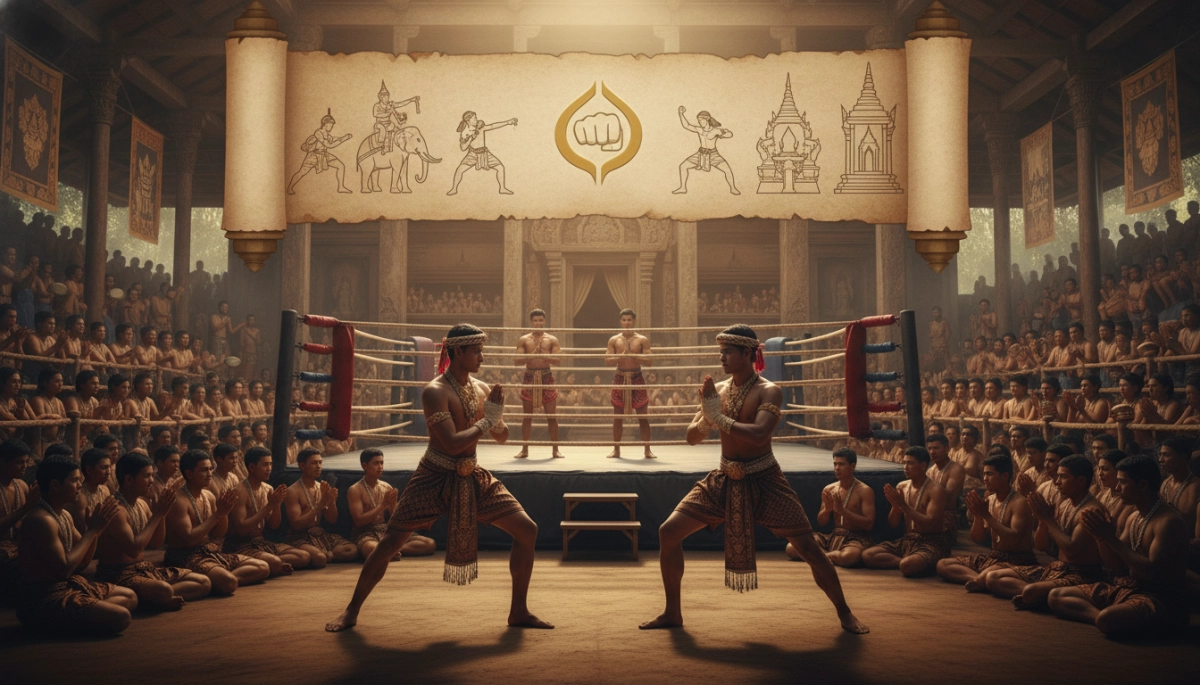
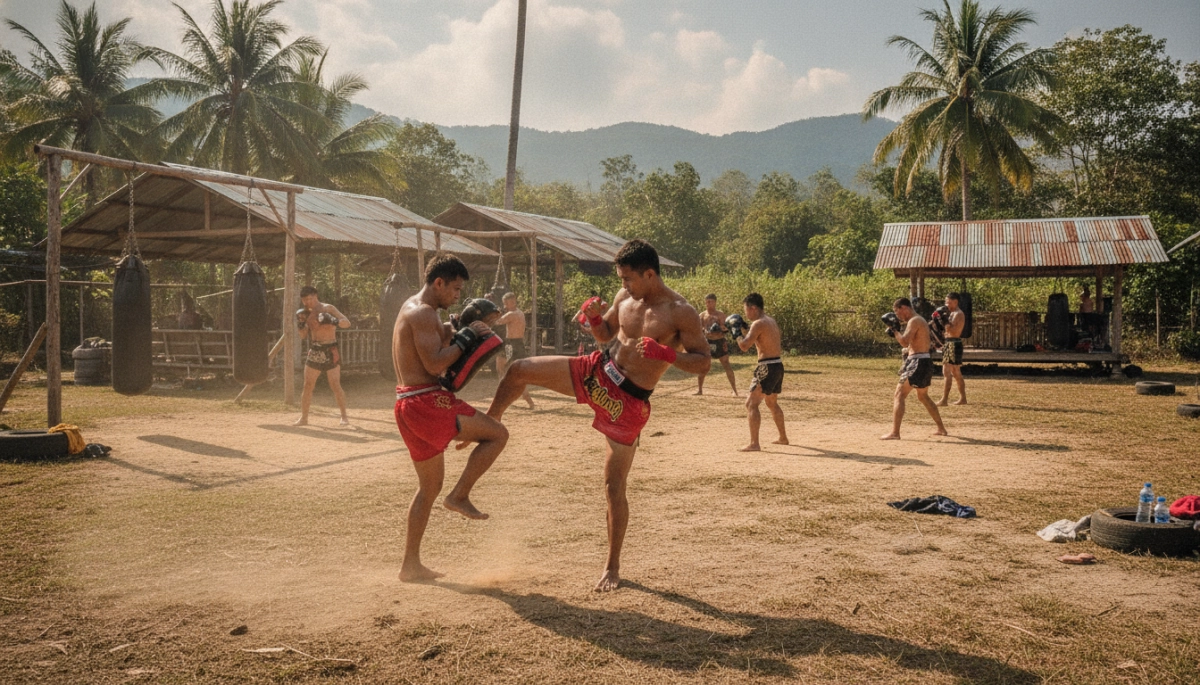
When you step into a camp shaped by Nong-O’s approach, you enter a disciplined, repetition-driven environment focused on precision and fight IQ. You’ll notice a clear daily rhythm: high-intensity technical sessions paired with deliberate conditioning and recovery. Training is structured to build skills gradually—first through solo work to groove movement patterns, then through partnered pad drills and controlled sparring to translate those patterns under pressure.
The atmosphere tends to emphasize timing and positional awareness over brute force. Coaches and senior fighters guide you through small corrections—foot placement, weight distribution, hip rotation—so you learn to apply efficient mechanics. Whether you’re a hobbyist or preparing for a bout, the camp aims to make your decision-making faster and your strikes cleaner.
Typical elements you can expect in a full training day include:
- Morning aerobic work (runs or shadowboxing) to sharpen endurance and warm up mobility.
- Technique-focused sessions: shadowboxing, pad work, and drilling of specific combinations.
- Clinch work emphasizing balance, off-balancing, and knee sequencing.
- Bag and conditioning rounds to develop power and durability.
- Supervised sparring slots to practice timing, distance, and counters.
- Recovery protocols such as stretching, ice, and focused rest between intense blocks.
Core drills and technical focuses you will practice
Pad work: rhythm, combinations, and counter timing
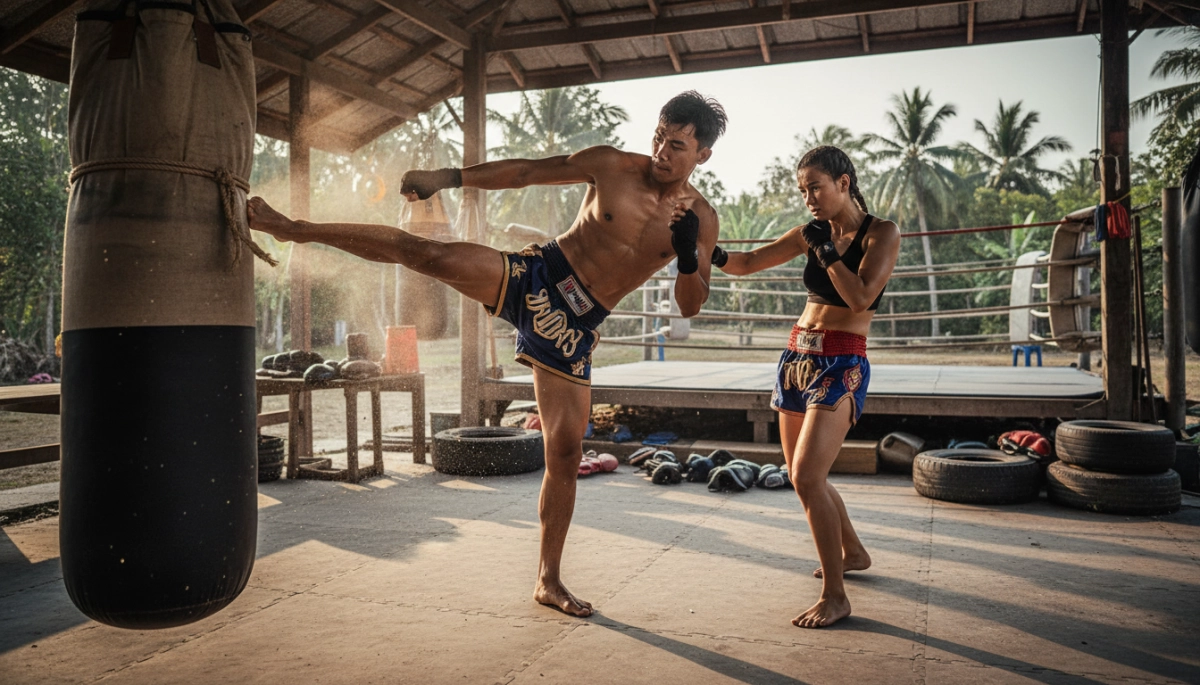
Pad sessions are central to Nong-O’s methodology. You’ll run through high-repetition combinations with a pad holder who emphasizes rhythm and the subtle cues that create openings. Expect to drill:
- Basic jab–cross–teep sequences to control distance and disrupt rhythm.
- Low–body–head combination chains that teach visual recognition and level changes.
- Counter patterns where you block or evade and immediately riposte with elbows or knees.
Clinch and knee chaining drills
The clinch is trained as a series of linked actions rather than isolated moves. You’ll practice maintaining posture, creating space, and executing knee sequences. Work typically includes:
- Partnered posture drills to feel weight shifts and base control.
- Knee bursts with immediate re-clinch to teach continuity and stamina.
- Off-balancing repetitions to set up cleaner finishing strikes.
Sparring structure: progressive intensity and role-specific rounds
Sparring in a Nong-O-influenced camp is progressive: technical rounds with limited contact, followed by situational sparring (e.g., clinch-only, counter-only), and finally controlled full rounds emphasizing tactical execution. You’ll be coached on reading opponents, timing entries, and choosing when to apply high-risk techniques like elbows or sweep attempts.
With these foundations in place, you’ll be ready to refine how the drills are adapted to different skill levels and to examine sample weekly camp schedules that optimize skill retention and recovery.
Scaling drills and progression for different experience levels
One strength of Nong-O’s system is that the same core drills adapt well to differing abilities; it’s the details—volume, complexity, feedback—that change. Coaches in these camps intentionally scale sessions so everyone is challenged without being overloaded. Here’s how drills are typically modified across three common tiers.
- Beginner: Focus on fundamentals: stance, footwork, basic punches, kicks and the primary teep. Pad work is slower and broken into short sequences (4–6 strikes) repeated until mechanics are consistent. Clinch time is limited to posture and balance drills, no continuous exchanges. Sparring is optional and always light—often technical rounds where the senior partner controls tempo. Conditioning emphasizes movement economy (light runs, shadowboxing, bodyweight circuits).
- Intermediate: Increase combination complexity and introduce rhythm changes and feints. Pad work includes level-change chains and counters, with emphasis on timing adjustments. Clinch drills add knee-chaining and controlled positional scrambles. Sparring becomes situational (counter-only, clinch-only) with moderate contact to develop real-time decision-making. Conditioning adds anaerobic intervals and partner-resisted drills.
- Advanced/Competitive: Execute high-volume, high-intensity pad sessions that simulate fight pacing and recovery. Work on advanced counters, multi-level traps and transitional clinch entries. Sparring includes longer rounds with realistic pressure, tactical gameplan practice, and specific opponent-model drills. Conditioning is tailored (sprint repeats, weighted routines, sport-specific power work) and closely monitored for readiness.
Across all levels, coaches use measurable markers to guide progression: clean repetition count on a combination, successful clinch-off rates, sparring round effectiveness (control of distance, landed counters), and recovery metrics like perceived exertion or heart-rate response. This feedback loop helps determine when to increase intensity or dial back volume for learning or recovery.
Sample weekly camp schedules: skill-building vs. fight preparation
Below are two 7-day templates you’ll commonly see in Nong-O-influenced camps—one designed for steady skill development (hobbyist/fitness goal) and one for a focused 6–8 week fight camp. Adjustments for individual fitness and coach guidance are expected.
- Skill-building week (2 sessions/day emphasis on technique & recovery)
- Mon AM: Shadowboxing/technique drills; PM: Light pad work + clinch fundamentals
- Tue AM: Interval run & mobility; PM: Technical sparring (situational rounds)
- Wed AM: Pad combos + partner drills; PM: Bag work & conditioning circuits
- Thu AM: Recovery/movement flow; PM: Clinch work + knee chaining
- Fri AM: Tempo pad session; PM: Sparring focus with coached feedback
- Sat AM: Technical open mat (drills and film study); PM: Optional light conditioning
- Sun: Rest and active recovery (stretch, swim, massage)
- Fight preparation week (heightened intensity with deliberate taper near fight week)
- Mon AM: High-intensity pad session; PM: Conditioning (sprints/plyo)
- Tue AM: Clinch & partner drills; PM: Situational sparring
- Wed AM: Power pad work + combinations; PM: Full rounds sparring (tactical)
- Thu AM: Recovery modalities + light technique; PM: Strategy pad session
- Fri AM: Open sparring controlled intensity; PM: Light technical session
- Sat AM: Simulation rounds (shortened but intense); PM: Mobility & ice baths
- Sun: Active recovery, nutrition check, mental/replay work
In a fight camp, the last 7–10 days focus on tapering volume while maintaining sharpness—short, fast pad sessions, reduced sparring intensity, and prioritized recovery and weight management. Regardless of the timetable, communication with coaches about fatigue, minor injuries, and psychological readiness ensures drills are adapted to keep learning steady and safe.
Putting Nong-O’s principles into practice
Adopting a Nong-O–inspired approach is less about copying a checklist and more about committing to a steady, feedback-driven process: precise repetition, intentional progression, and smart recovery. Stay curious, communicate openly with coaches, and let measurable markers—not ego—guide when to push and when to rest.
Practical next steps
- Find a coach or camp that emphasizes technical repetition and provides specific corrective feedback during pad work and clinch drills.
- Start small: pick one combination, one clinch entry, and one defensive counter to practice deliberately each week until mechanics are consistent.
- Track simple metrics (clean repetitions, clinch-off success, perceived exertion or heart-rate response) to judge progression and adjust volume.
- Progress sparring intensity gradually with role-specific rounds (counter-only, clinch-only) before full contact, and always include recovery blocks.
- Study the methods of accomplished practitioners for context—see Nong-O’s background and fight history for reference: Nong-O Gaiyanghadao profile.
Train with intention, measure what matters, and let small, consistent improvements compound into meaningful gains. That approach—discipline over drama—captures the essence of Nong-O’s training philosophy.
Recommended Posts