Why Muay Thai is more than a fight: cultural identity and ritual
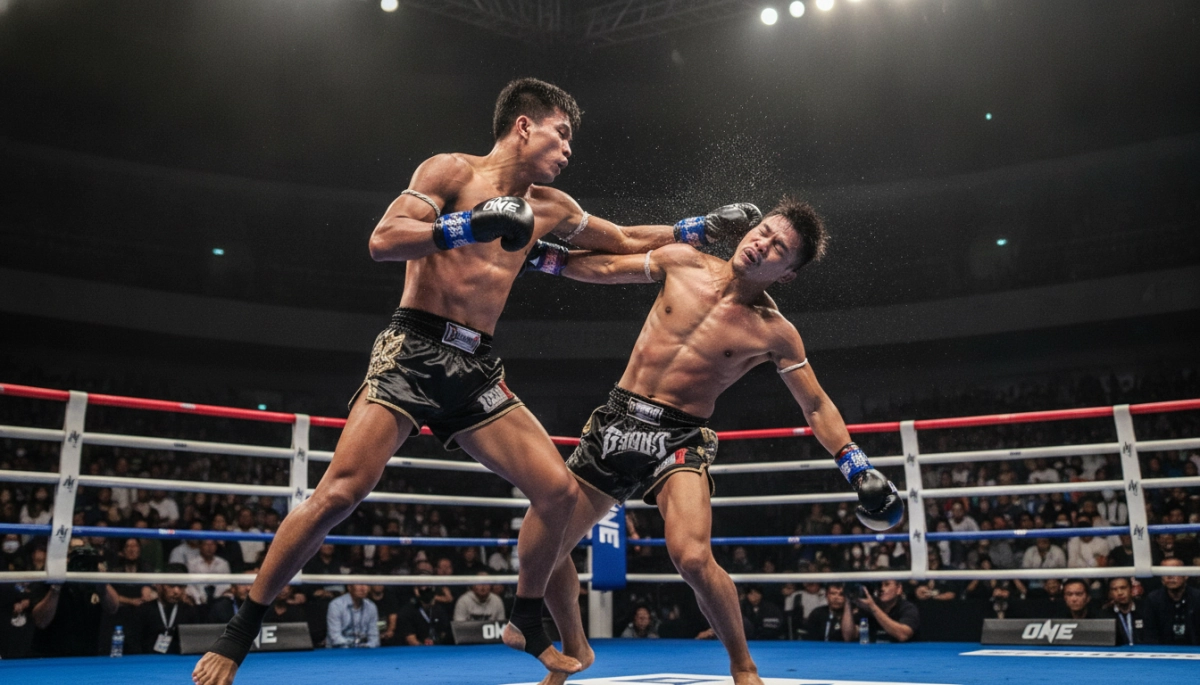
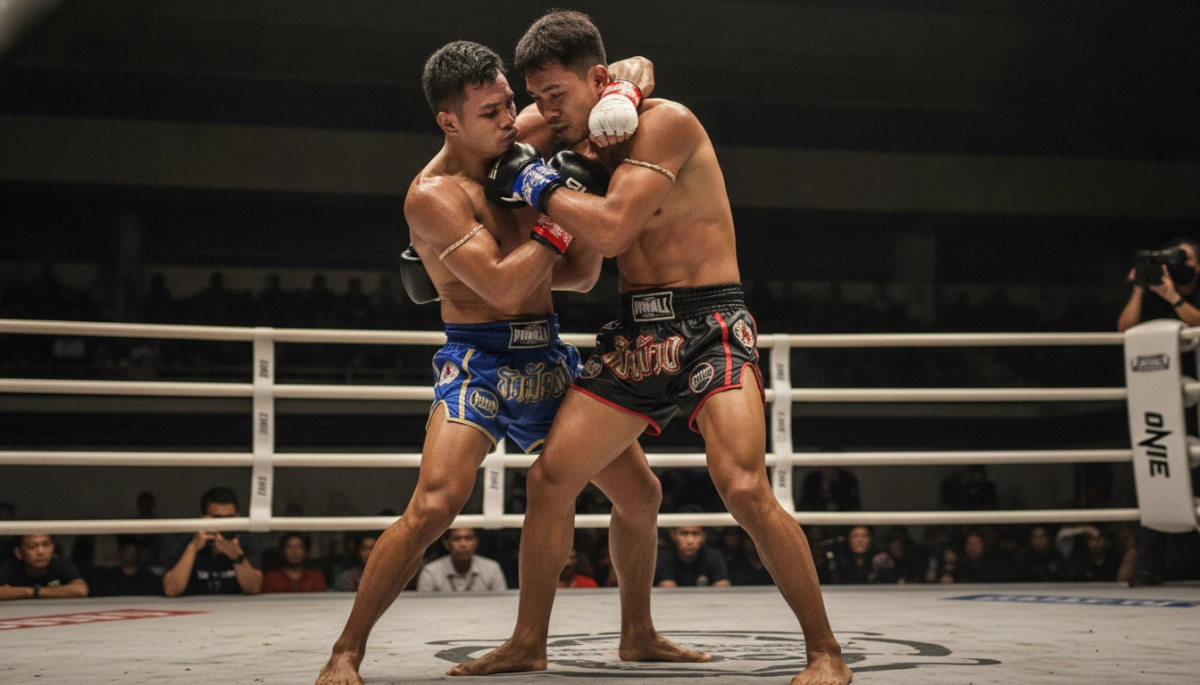
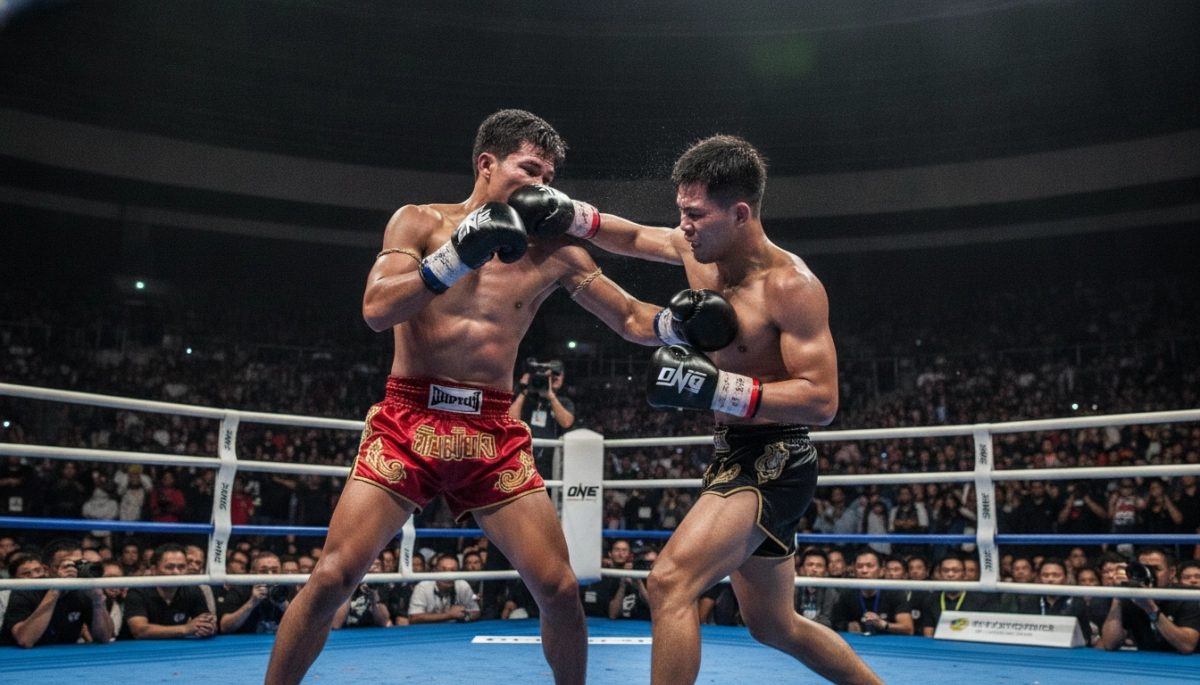
You step into a Muay Thai stadium and immediately sense that you are witnessing something that blends sport, performance, and sacred tradition. Muay Thai did not begin as a commercial spectacle; it developed within rural communities and royal armies as a practical system of unarmed combat. Over centuries those techniques absorbed symbolism, spiritual practices, and communal rites that turn each match into a compact cultural story. Understanding the origins and early rituals helps you appreciate why the pre-fight ceremonies, the music, and the gestures matter as much as punches and kicks.
From battlefield art to community ceremony: early history and the birth of Wai Khru
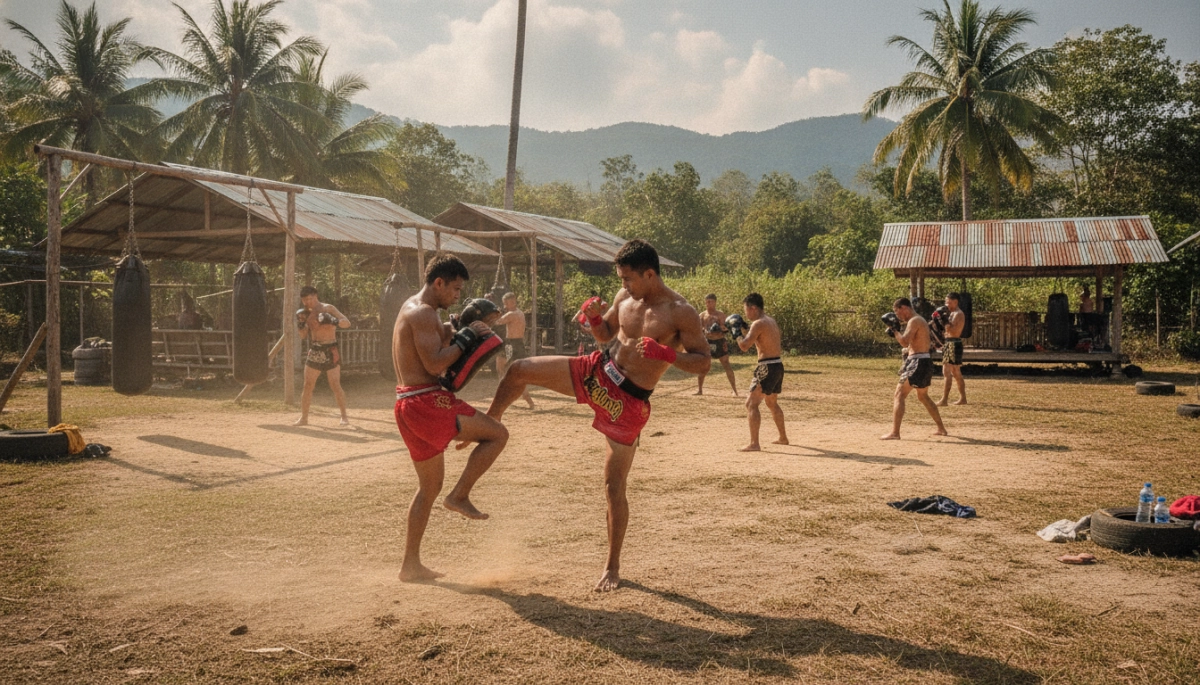
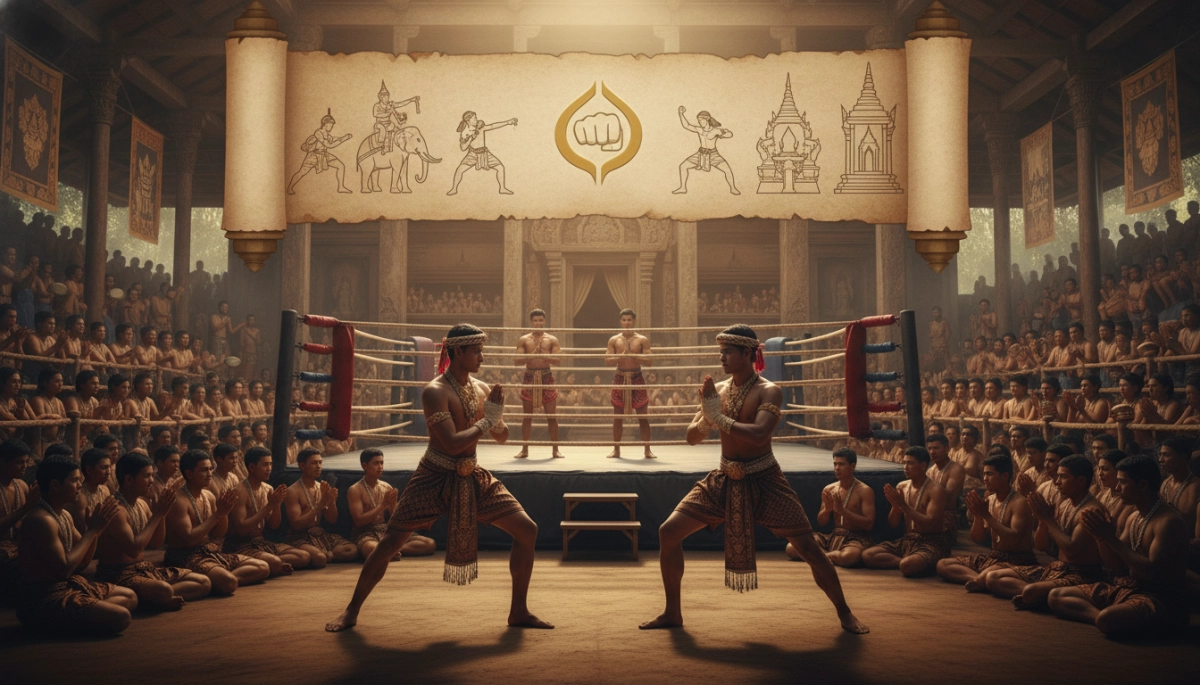
Muay Thai’s roots run deep in the region historically known as Siam. As an effective method for close quarters fighting, the skills now recognized as Muay Boran (literally “ancient boxing”) were practiced by soldiers, guards, and villagers. When peacetime arrived, those same techniques moved into contests and displays during festivals, temple fairs, and royal celebrations. As a result, practical combat training was layered with social meanings: respect for teachers, remembrance of ancestors, and appeals to protective spirits.
How Wai Khru emerged and what it represents
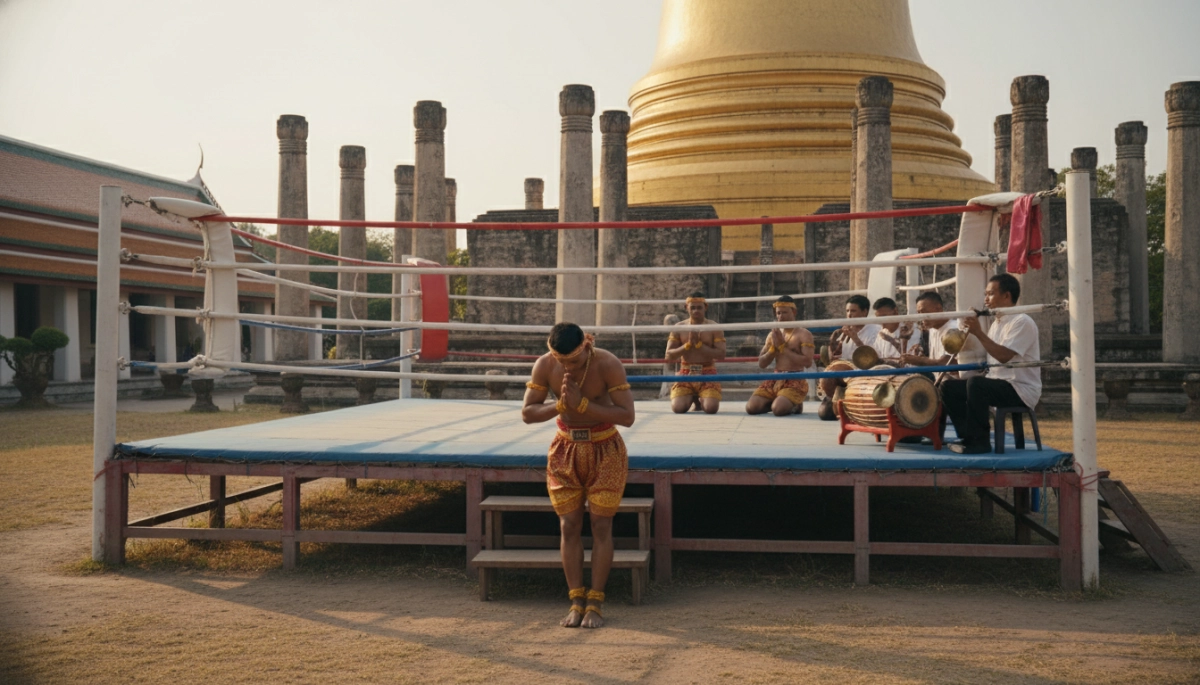
Wai Khru—literally “paying respect to the teacher”—is the ritual you will see fighters perform before they engage. It evolved as a formalized demonstration of gratitude, discipline, and spiritual preparation. When you watch a fighter execute the Wai Khru, you are seeing multiple intentions combined: a salute to the trainer who shaped the fighter, a petition for safety, and a display of lineage linking the athlete to a local gym and its history.
- Mongkol (head cord): You’ll notice a decorative headband placed by the trainer before the ritual. It symbolizes protection and the teacher’s blessing.
- Wai Khru dance: The controlled, stylized movements reference training stances and mythic archetypes; they convey respect and center the mind.
- Prajioud and armbands: Often worn for luck and to honor family or a gym tradition.
- Offerings and small altars: In many local settings fighters or trainers will make brief offerings to spirits or guardians before stepping into the ring.
These elements are not mere superstition; they codify social bonds and legitimize a fighter’s role within a lineage and community. As Muay Thai migrated into urban stadiums and formal competitions, the visual drama of Wai Khru and its accouterments helped preserve identity even as rules and equipment modernized.
Next, you will look more closely at the musical accompaniment—the sarama and ring musicians—and how specific melodies, rhythms, and tempo changes shape the pace and psychology of a match.
The sarama: music that guides the tempo and drama of a match
When the fighters finish their Wai Khru and the referee readies them, you’ll notice the ring band shift gear. The sarama is not background atmosphere; it is an active participant. Traditionally performed live, this small ensemble provides melodic and rhythmic cues that mark the beginning and end of rounds, heighten momentum during exchanges, and signal changes in tempo when the action shifts from measured clinching to explosive flurries. The music follows a flexible script: a deliberate, breathing intro for the Ram Muay (the ritual dance), then a transition into the fight rhythm that swells and contracts with what happens in the ring.
The sarama’s scales and phrase shapes draw on Thai modal patterns, producing tonal colors that may feel mournful, heroic, or urgent to different listeners. Because the musicians respond in real time, the music can make a fight feel inevitable—accelerating as an attacker gains confidence, or snapping to silence when a sudden throw or clinch freezes movement. In short, the sarama shapes perception: it tells spectators when to sit forward, when to hold their breath, and when to erupt.
Musicians, instruments, and the living language of rhythm
The core instruments you’ll hear are simple but distinctive: a reed instrument (the pi or a similar oboe-like horn) carries the melody; barrel drums provide the pulse; and small cymbals or clackers add sharp punctuation. In larger traditional ensembles more drums or additional percussion may be present, but the essential makeup is compact so it can travel between stadiums, temples, and village festivals.
Musicians are often attached to a stadium or a gym and are steeped in the local repertory. Their role goes beyond performance: they read the bout, anticipating shifts and accenting dramatic moments. In famous Bangkok venues, seasoned sarama players are household names among fight fans because their timing and sensitivity can make a close match feel cinematic. In recent decades recorded tracks have appeared—especially abroad or at small shows—but live sarama remains the gold standard for preserving the dialogic, improvisational link between music and motion.
How music and ritual shape fighters’ minds and the audience’s experience
At a practical level, music helps regulate pacing. Fighters internalize the round’s tempo; a slow, methodical rhythm favors measured tactics and clinch-based strategies, while a rapid pulse encourages explosive combinations. Psychologically, the sarama and Wai Khru ritual create a transition from ordinary life into the heightened, rule-bound reality of the ring. For the fighter this can mean focus and protective calm; for the crowd it produces collective anticipation and emotional alignment with one athlete or another.
The ritual plus music also functions as cultural continuity. Even when Muay Thai is staged for international audiences, the presence of live sarama or even recorded traditional phrases preserves a lineage—linking modern athletes to village festivals, temple rites, and the centuries-old discipline that formed the art. In that way, each match remains not just a contest of skill but a moment where sound, movement, and memory meet to reaffirm identity.
Continuity and change: caring for a living tradition
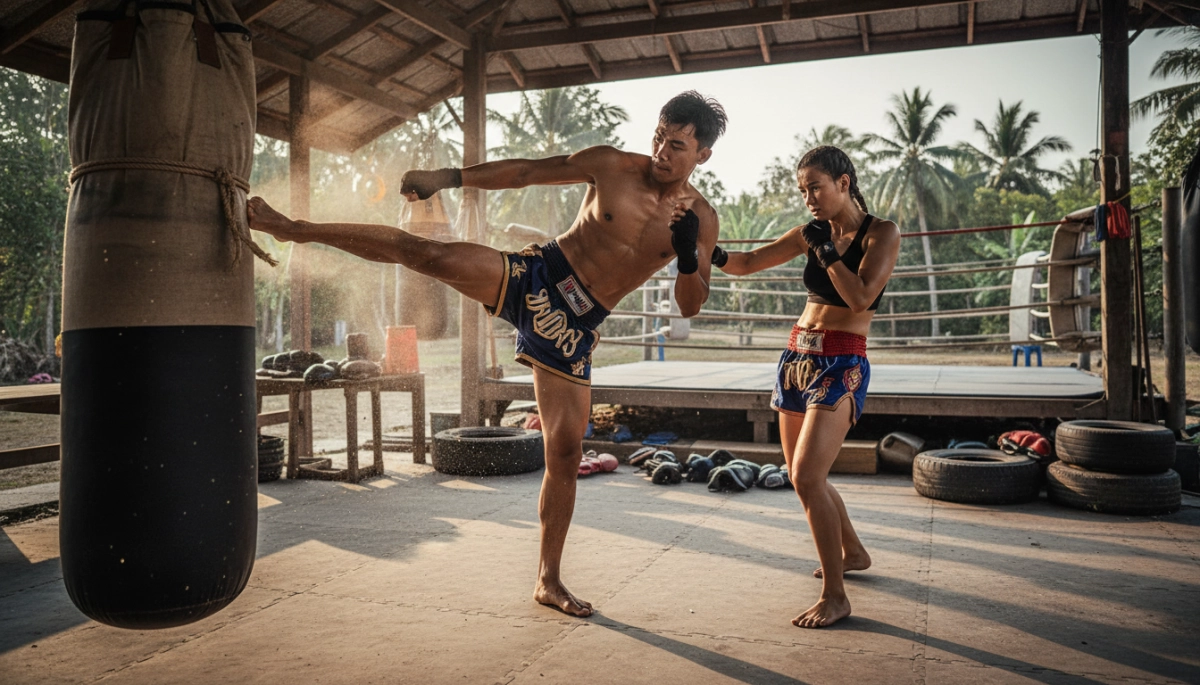
Muay Thai today occupies many worlds at once: grassroots training grounds and international arenas, sacred corner altars and commercial fight cards, live sarama and streamed playlists. That tension between preservation and adaptation is part of what keeps the tradition vital. Respecting Wai Khru, the role of the mongkol, and the musicians’ cues is less about freezing a single past and more about maintaining a meaningful conversation between generations—one that rewards attention, humility, and support for the people who carry the art forward. For a deeper, reliable overview of Muay Thai’s history and cultural role, see the Muay Thai entry at Britannica: Muay Thai at Britannica.
Key Takeaways
- Muay Thai blends combat technique with ritual: Wai Khru, the mongkol, and offerings articulate respect, lineage, and spiritual protection.
- The sarama and ring musicians actively shape a bout’s tempo and emotional arc, serving as an improvisational partner to fighters and audiences.
- As Muay Thai globalizes, honoring its rituals and supporting live practitioners helps preserve a living cultural practice rather than turning it into mere spectacle.
Recommended Posts