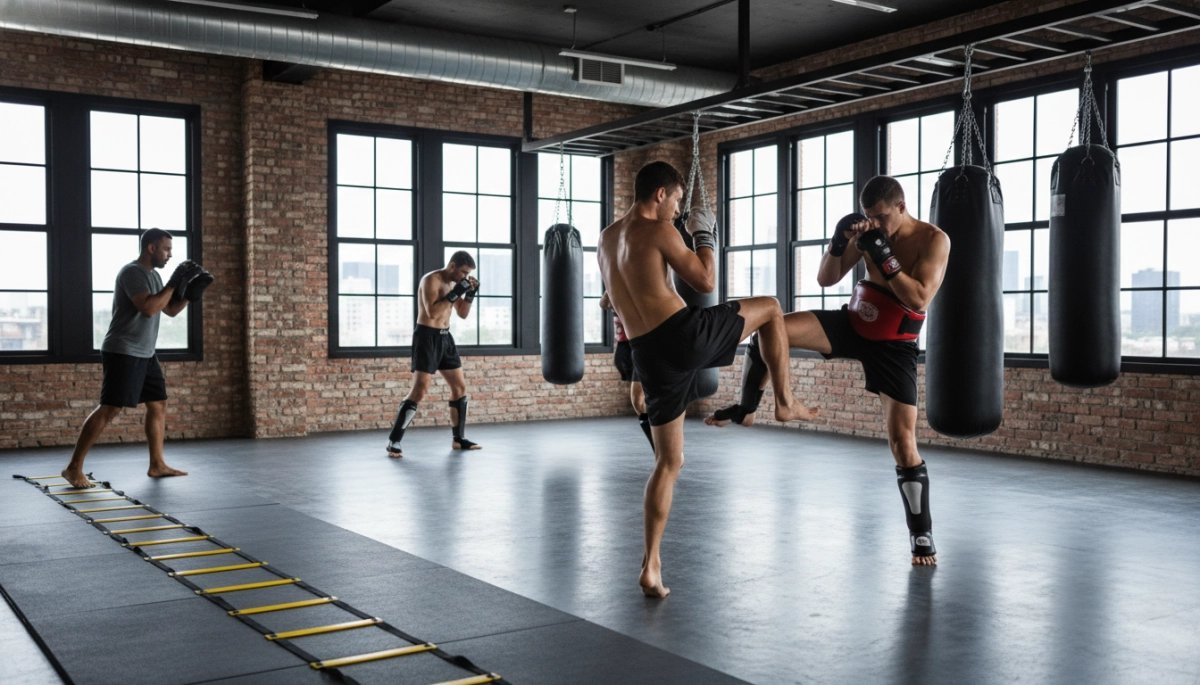
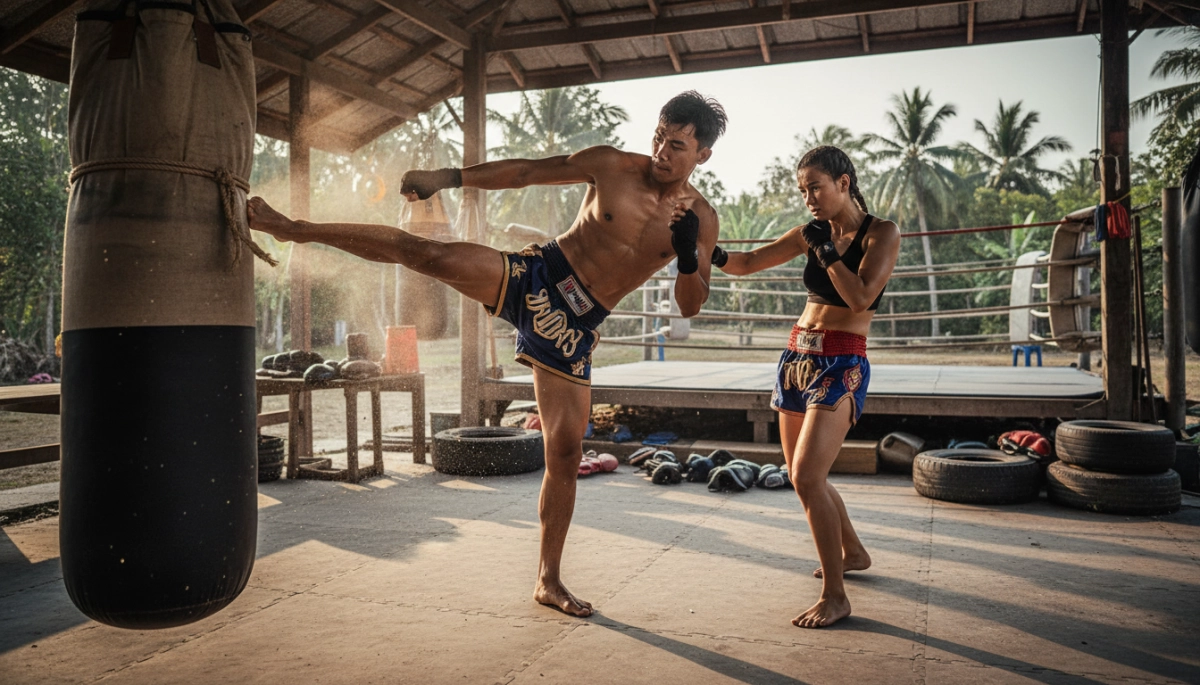
Why power is central to traditional Muay Thai and how you should approach it
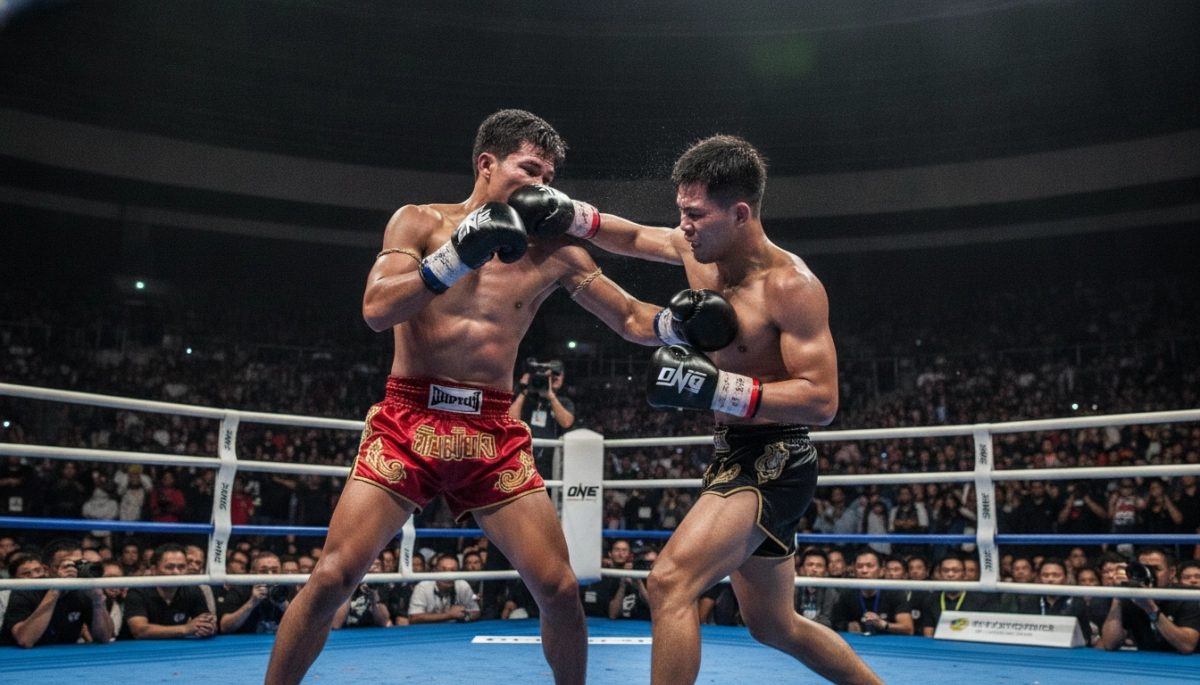
In traditional Muay Thai, power is not an accident; it is the product of mechanics, timing, and repetition. As you train, you learn to convert whole-body movement into a single, efficient striking force. Power kicks and elbow strikes serve different roles: kicks typically produce long-range damage by using hip torque and leg mass, while elbows create concentrated impact at close range with short-lever leverage. Understanding the traditions behind these strikes helps you apply them with economy and intent rather than relying on brute strength alone.
What you gain by emphasizing fundamentals
- Greater consistency—reliable techniques under fatigue.
- Safer impact—reduced risk of injury to your joints and training partners.
- Better fight IQ—you’ll learn when to use power versus speed or volume.
Foundations you must master: stance, balance, and hip mechanics
All powerful Muay Thai strikes begin from a solid base. You’ll spend most of your early training refining three core elements: stance, weight distribution, and hip rotation. Adopt a stance that maintains mobility and protection—feet roughly shoulder-width with the rear foot slightly turned outward. Your hands should protect the head and support the guard during kicks. From this posture, small, precise shifts in weight create the platform for explosive techniques.
Key principles and drills for building your base
- Weight distribution: Keep about 60% weight on the rear leg for rear-roundhouse kicks; shift forward for a front push kick. Practice shifting slowly, then accelerate into strikes.
- Pivot and foot placement: For a power roundhouse, pivot the supporting foot fully to allow hip rotation. Drill slow pivots, then add speed while keeping the toes turned and the heel lifted.
- Hip snap: Think of the kick originating from the hips rather than the leg. Hip rotation accelerates the shin or thigh through the target—rehearse this with shadow kicks focusing solely on the hip turn.
- Chambering: Tuck the kicking knee high before extending. A compact chamber reduces telegraphing and stores potential energy for release.
Early elbow mechanics: angles, contact points, and short-range setup
Elbow strikes in Muay Thai are designed to maximize impact with minimal wind-up. You’ll learn several angles—horizontal (slicing), diagonal (downward or upward), and upward spear-like elbows—each useful in different ranges and moments in the clinch. The power of an elbow comes from hip and torso rotation combined with a short explosive extension of the arm, not from swinging the shoulder wildly.
Simple elbow-focused drills to begin with
- Shadow elbow combinations emphasizing hip rotation and head movement.
- Slow partner pad work to feel contact points and angle entry.
- Clinch drills to drive elbows from close range while maintaining balance.
With these foundations in place you’ll reduce wasted motion and increase force transfer; next, you will progress to detailed body mechanics for each specific kick and elbow type plus progressive drills to build speed, timing, and impact.
Power roundhouse and the low kick—precise mechanics for maximum impact
The rear (power) roundhouse and the low kick share the same essential engine: a coordinated chain from the ground through the hips into the shin. To maximize damage, emphasize a compact, explosive transfer rather than a long, loose swing.
Key mechanical points:
- Foot pivot and torque: Turn the support foot fully to open the hips—this is the torque source. A shallow pivot limits hip rotation and dumps power into the knee instead of the shin.
- Hip snap and recoil: At the moment of impact, rotate the hips sharply and snap the hip forward, then immediately recoil the kicking leg back (re-chamber). The snap creates peak force; the recoil protects the knee and allows follow-up strikes.
- Contact surface and angle: Strike with the lower portion of the shin for heavy targeting (body and thigh) and slightly higher on the shin for calf kicks. Aim to slice across the opponent’s target rather than strike perpendicularly—this increases shearing damage.
- Weight transfer: Shift 60–70% of weight to the front foot at impact for rear roundhouses; for low kicks, stay lighter and quicker to maintain mobility and recovery.
Drills to ingrain the pattern:
- Slow pivot repetitions: 3 sets of 8–10 kicks per leg performed at 40% speed, focusing purely on foot pivot and hip rotation.
- Bag power sets: 5 sets of 5 heavy roundhouses to the same spot on the bag with full recovery between sets—listen for the “thud” and watch for consistent shin placement.
- Targeted low-kick sparring: partner holds Thai pads for 3 rounds of 2 minutes where every other striking minute focuses exclusively on low kicks to create timing against movement.
Elbow permutations for close quarters—placement, rotation, and follow-through
Elbow strikes demand short, tight mechanics and a ruthless focus on angle and timing. Their effectiveness comes from concentrated impact and small, controlled rotation of the torso—not wide arm swings.
Technical refinements:
- Horizontal (slicing) elbow: Rotate the hips and torso laterally, leading with the triceps insertion toward the target. Keep the elbow elbow slightly bent to create a sharp edge.
- Diagonal downward/upward elbow: Use a short drop of the weight and a vertical hip tilt to add axial force—imagine slicing from shoulder through the elbow into the target.
- Uppercut elbow: Drive the hips forward while lifting the elbow in a compact arc; excellent for under-chin or jaw openings from the clinch.
Practical work:
- Pad sequences: 4–6 strike combinations emphasizing 3–4 elbows in succession—start slow, then increase speed for 3 rounds of 2 minutes.
- Clinch-to-elbow drill: static clinch control for 10–15 seconds, then execute two short elbows and reset. Repeat for 6–8 reps each side to simulate realistic clinch transitions.
- Angle training: partner moves laterally while you practice slicing elbows at multiple trajectories to reinforce placement rather than power-only focus.
Progressive drills and a simple training structure to build speed, timing, and impact
Progression matters. Move from controlled repetition to resistant application, then to fatigue-based scenarios where technique must hold under stress.
Recommended progression (4–6 week cycles):
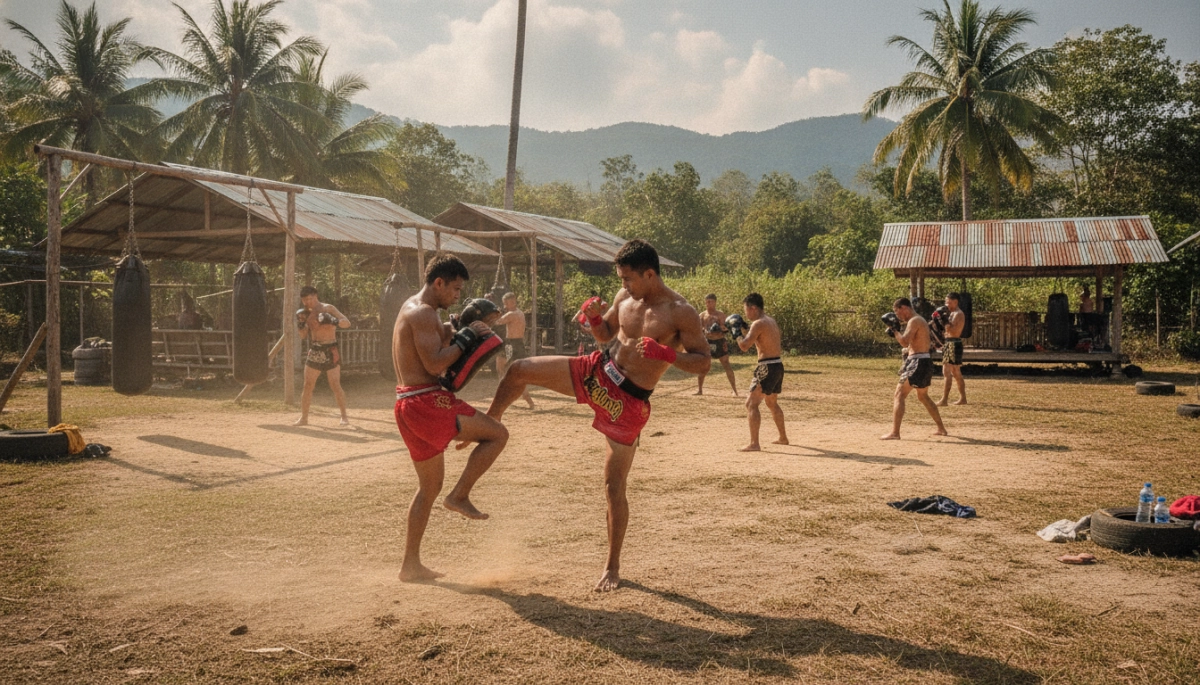
- Weeks 1–2 (Foundation): Slow, technical reps—3 sets of 8–10 per technique, focusing on mechanics and sound production. Add mobility and hip-focused drills daily.
- Weeks 3–4 (Power focus): Heavy bag and pad work—5 x 5 power sets for kicks, 4 x 6 elbow burst sets. Include 2 plyometric sessions (medicine ball rotational throws, single-leg hops) weekly to build explosive hips.
- Week 5–6 (Application): Partner timing and small-contact sparring—3 rounds of targeted sparring where each round has a single technical objective (e.g., rear roundhouse only; clinch-to-elbow only). Monitor impact quality and consistency.
Measure progress by consistency of contact (sound and visual bag deformation), partner feedback, and ability to maintain technique under fatigue. Respect recovery—power is rebuilt, not forced—and follow traditional Muay Thai pacing to cultivate durable, reliable strikes.
Bringing traditional power into everyday training
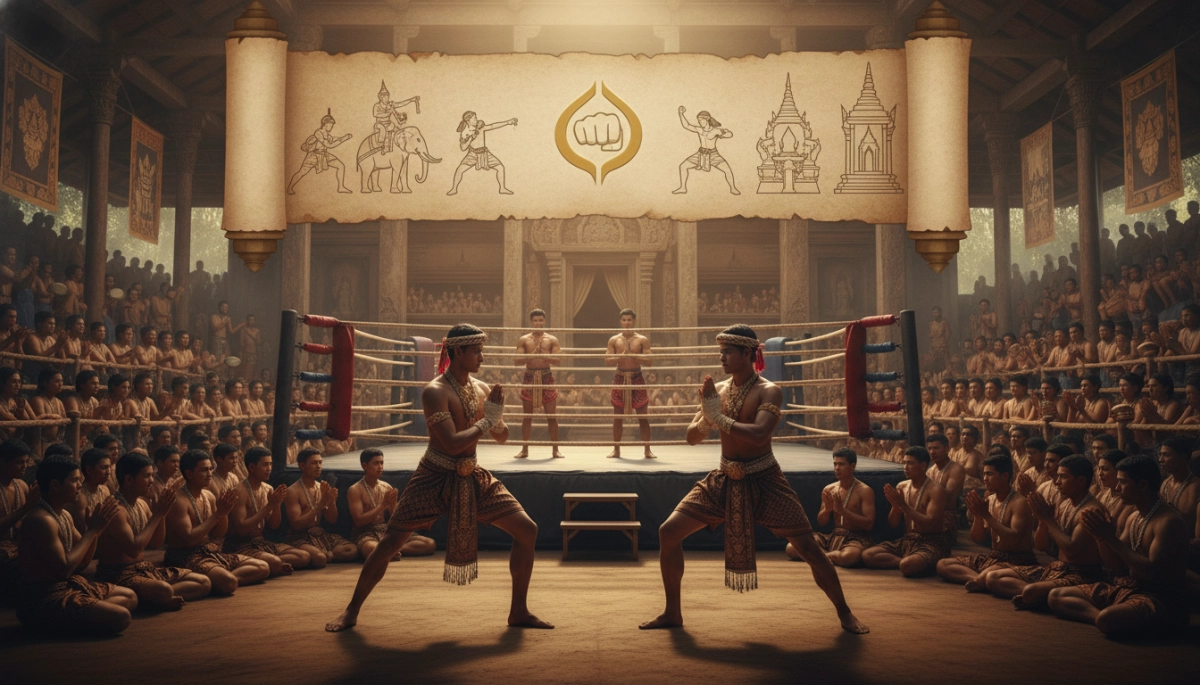
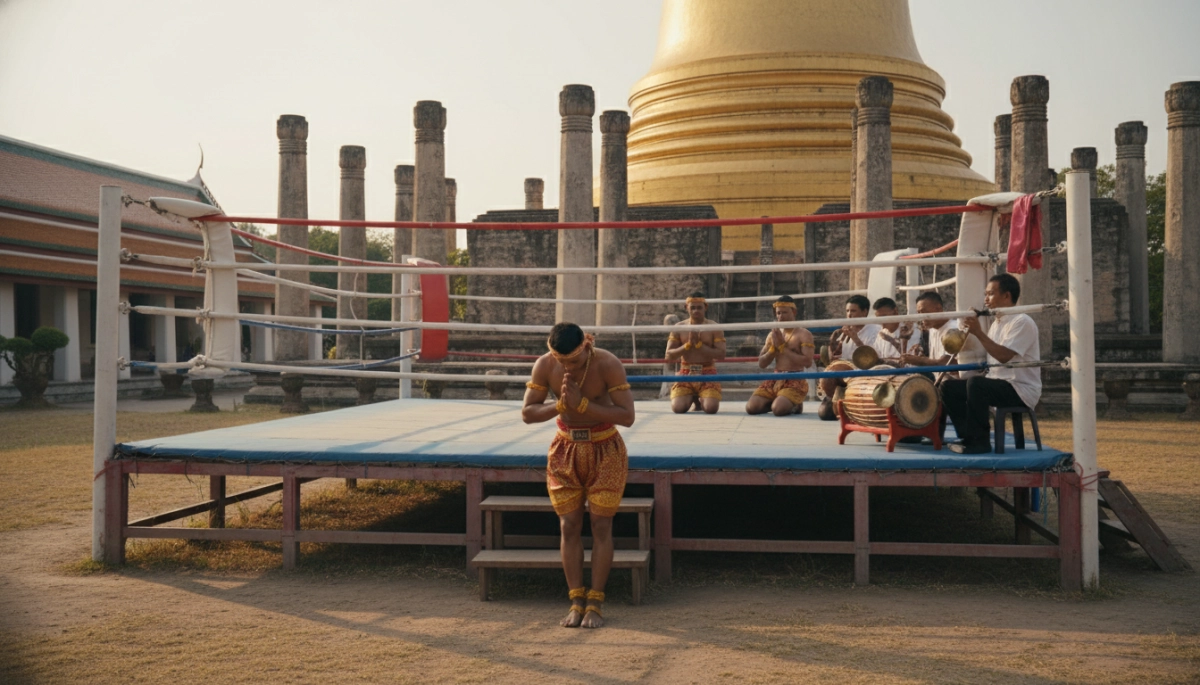
Respect the lineage of Muay Thai as you build power: be patient, deliberate, and consistent. Make small, measurable improvements each session—consult your coach, record key metrics (sound, contact location, recovery speed), and always prioritize safety for yourself and partners. When you need reference or clarification on competitive protocols or training standards, review the IFMA training guidelines to align your practice with recognized norms.
Key Takeaways
- Power is built on reliable fundamentals—stance, balance, pivot, and hip mechanics—not on brute force.
- Progress from slow technical reps to heavy power sets and then applied sparring to develop speed, timing, and impact.
- Train respectfully and safely with partners and coaches; recovery and tradition are part of developing durable, effective strikes.
Recommended Posts