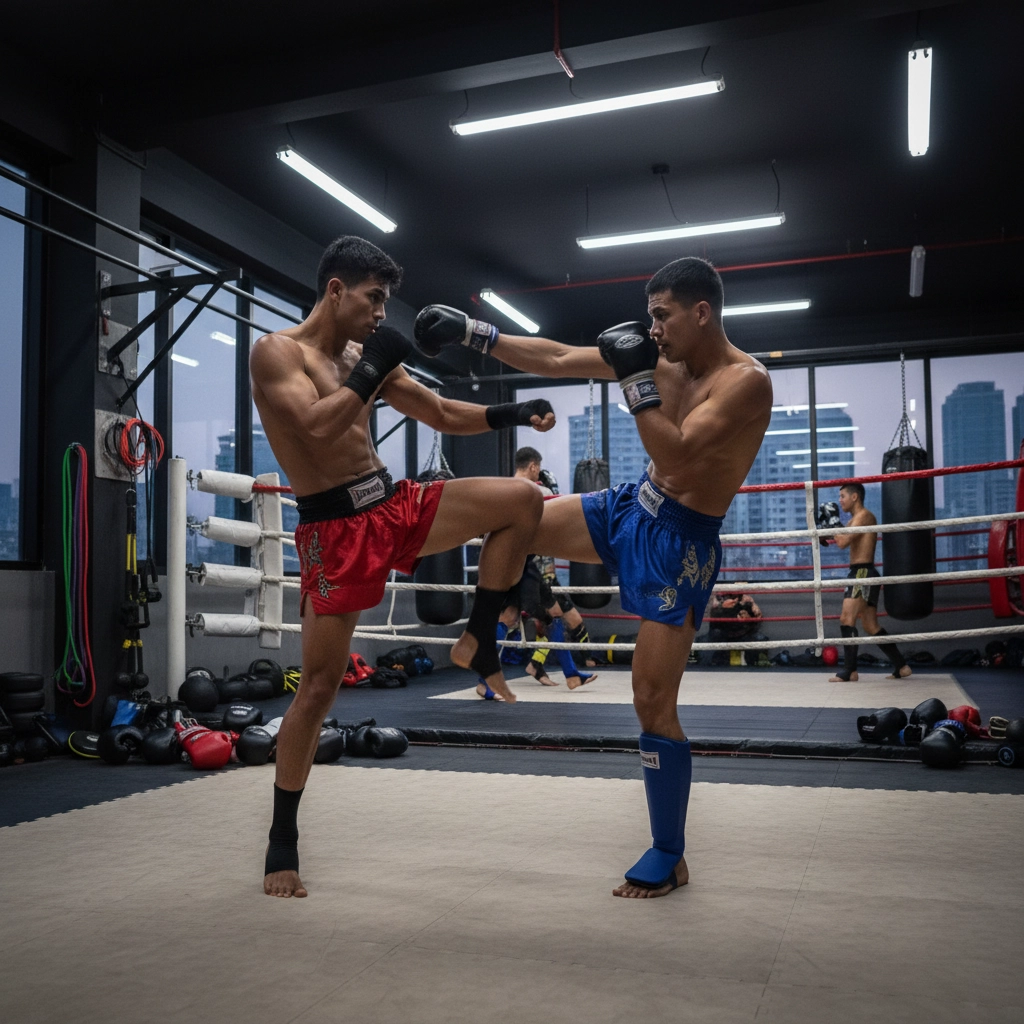

When you bet on Muay Thai, you’re engaging with a combat sport that has unique rhythms, regional fighters, and event structures that differ from boxing or MMA. Understanding those differences helps you pick a site that supports your strategy rather than working against it. You’ll want a bookmaker that covers smaller stadium shows in Thailand as well as internationally promoted cards, provides accurate handicapping lines, and offers markets tailored to Muay Thai’s scoring and round system.
Muay Thai fights are often decided by point-based decisions, technical knockouts, and corner stoppages, and the sport’s scoring can be stylistically biased toward certain techniques (teeps, elbows, clinch control). That means you should look for sites that display detailed fighter stats, historical round-by-round results, and market options beyond simple match-winner bets—such as method-of-victory or round betting.
Essential bookmaker features to prioritize for Muay Thai
Not all betting sites are equally well-suited to Muay Thai. When you evaluate options, focus on concrete features that affect your ability to find value and manage risk:
- Licensing and reputation: Make sure the site is regulated by a recognized authority and has clear terms on withdrawals, dispute resolution, and responsible gambling. A reputable license reduces the chance of account issues.
- Depth of markets: Check whether the bookmaker lists both major and regional Muay Thai events and offers markets like total rounds, round betting, method of victory, and live props. Greater market depth gives you more angles to exploit.
- Competitive odds: Compare odds across sites for the same fights. Even small margins matter in combat sports where favorites often dominate. Look for transparent margins and frequent price updates.
- Live betting and live data: Muay Thai can change quickly—an ankle injury or cut can swing a line mid-fight. You’ll benefit from a site that provides fast in-play markets, real-time score updates, and quick bet settlement.
- Streaming and event calendar: Access to live streams or at least reliable event schedules helps you watch fights and react to last-minute info. Sites that integrate calendars and reminders reduce the chance of missing value bets.
- Payment options and withdrawal speed: Choose sites that support your preferred deposit/withdrawal methods with reasonable processing times. Transparent fees and clear KYC procedures save you headaches later.
- Promotions and loyalty programs: Welcome bonuses, risk-free bets, and targeted promos for combat sports can improve long-term ROI—just read the wagering requirements carefully.
- Mobile experience and UX: If you bet live, a fast, intuitive mobile app or responsive site is essential. Test navigation, odds display, and bet slip functionality before committing funds.
How to use this checklist when you sign up
Before you register, scan the site for licensing seals, open the live market for a recent Muay Thai card, and simulate a small deposit/withdrawal to confirm supported methods. Bookmark the stats and results pages to see whether the bookmaker provides the detail you rely on.
Next, you’ll want to compare specific recommended sites side-by-side and walk through practical examples of market selection and bet sizing for Muay Thai events—topics we’ll cover in the following section.

Top bookmakers suited for Muay Thai — what each type brings to the table
Not every bookmaker will suit the niche demands of Muay Thai. Below are four types of operators commonly recommended by experienced punters, with practical strengths and trade-offs to help you choose the right fit for your style.
- Pinnacle-style (low-margin, niche coverage): Known for thin margins and deeper lines on smaller events. Strengths: consistently sharper odds, higher limits, quick line movement reflecting real value. Trade-offs: limited or no welcome bonuses and a basic UX—best for value hunters who line-shop.
- Comprehensive sportsbook with streaming (e.g., Bet365-style): Strengths: broad event calendars, live streams for many international cards, and robust in-play markets (rounds, method, props). Trade-offs: slightly wider margins than low-margin shops, and promos are often tied to rollover requirements.
- Asia-focused operators (e.g., SBOBET-style): Strengths: strong coverage of Thai stadium shows, markets for regional fighters, and early lines on local cards. Trade-offs: customer support and withdrawal times can vary by operator; always verify licensing and payout reputation.
- Exchange & hybrid markets (e.g., Betfair Exchange-style): Strengths: ability to back or lay, often better liquidity on popular fights, and precise stop-loss/hedge options during live swings. Trade-offs: commission on winning bets and variable liquidity on obscure cards.
When you test sites, open the same Muay Thai fight across two or three of these operator types. Compare the moneyline, total rounds, and method prices. Note which site offers the specific props you use (e.g., “win by decision”, “round 3”) and whether live streaming or fast in-play updates are available.
How to pick the right market for a fight: practical examples
Market choice should reflect style match-ups and where bookmakers typically misprice risk. Here are two concise examples illustrating market selection:
- Example A — Clinch specialist vs. slick counter-striker: If Fighter A (Muay Khao, clinch-heavy) faces Fighter B (Muay Femur, evasive counter), the likely outcomes are late-round control or decision for the clincher, or a quick counter stoppage if the counter-striker times a shot. Markets to target: decision/points for Fighter A at attractive odds, round 3+ overs (if early rounds expected to be feeling-out), and method markets that pay on “decision”.
- Example B — Heavy hitter vs. volume striker on short notice: An explosive Muay Mat (power striker) taking a short-notice fight may have high variance. Look for round betting (early-round KO) and method markets; if the favourite’s strike accuracy is poor historically, a small lay on heavy-hit KO odds can be defended via hedging on the exchange.
Always check historical round-by-round data (do they tend to finish in R1–R2?) and recent weight cut / short-notice form. Those concrete datapoints guide whether you favor early-KO props, decision markets, or a conservative total rounds position.
Bet sizing and bankroll rules tailored to Muay Thai
Muay Thai’s volatility—frequent TKOs, cuts, and regional judging quirks—means strict bankroll control is essential.
- Unit sizing: Use a fixed unit (1% of bankroll recommended for conservative players; 2–3% for more aggressive). Base unit size on how many bets you place weekly and the liquidity of markets you use.
- Kelly and fractional Kelly: If you can quantify an edge, apply Kelly sizing or a fractional Kelly (e.g., 25–50%) to avoid overbetting on perceived edges that may be noisy.
- Live adjustments: For in-play bets, reduce stake size after one round if you lack live-read experience; increase slightly only when you have clear evidence (injury signs, dominant clinch control). Use exchanges to hedge larger pre-fight positions quickly.
- Record-keeping: Track market, stake, odds, expected value, and outcome. Over time this reveals which markets and sites produce an actual edge on Muay Thai specifically.
With disciplined sizing and targeted market selection, you can turn Muay Thai’s unique dynamics into opportunities rather than unpredictability. In the next section we’ll run side-by-side comparisons of recommended bookmakers and walk through a full bet-building example from pre-fight research to settlement.

Practical bet-building walkthrough
Use this short sequence as a template the next time you approach a Muay Thai card—keep it tight and repeatable so you can learn from each bet.
- Scan the card and confirm event legitimacy and streaming/preview availability.
- Check fighter form: recent results, style match-up (Muay Khao, Muay Femur, Muay Mat), and any weight-cut or short-notice flags.
- Pick a market that aligns with the match-up (method, rounds, decision) rather than defaulting to moneyline only.
- Set stake using your unit plan or a fractional Kelly size; avoid overexposure on a single volatile prop.
- If betting live, watch the fight or follow reliable live data; be prepared to hedge or trim exposure after the first round if the fight deviates from expectations.
- Record the bet details and outcome immediately so your database grows and your edge (or leaks) become visible over time.
Moving forward with confidence
Betting on Muay Thai rewards discipline, focused practice, and slow improvement rather than quick wins. Treat every card as a learning opportunity: test ideas with small stakes, keep precise records, and adapt as you gather real outcomes. Prioritize licensed operators and responsible-gambling tools when you sign up—if you need guidance on safe operators and regulatory standards, consult independent resources such as the Gambling Commission. Above all, protect your bankroll and your perspective: the best long-term bettors combine sound process with patience.
Frequently Asked Questions
Which markets are most reliable for Muay Thai bettors new to the sport?
For newcomers, stick to simpler markets that reflect stylistic match-ups: moneyline for clear favorites, total rounds if you have historical round data, and decision/points markets when a clinch specialist or technical fighter is involved. Avoid exotic multi-leg props until you have a track record and understand the event-level quirks.
How can I confirm a bookmaker actually covers Thai stadium shows well?
Look for early lines on Rajadamnern or Lumpinee cards, check whether the operator lists detailed round and method markets for those events, and search play-by-play or results history on the site. Reviews from regional bettors and evidence of consistent payouts for local events are also good indicators.
Is live (in-play) betting worth using for Muay Thai or should I stick to pre-fight markets?
Live betting can offer value—especially when injuries, cuts, or sudden momentum swings occur—but it requires fast data access, a reliable stream, and the ability to make quick stake adjustments. If you’re inexperienced with live reads, start small or use exchanges to manage risk until you build confidence.
Recommended Posts