Why mastering the clinch gives you control of the fight
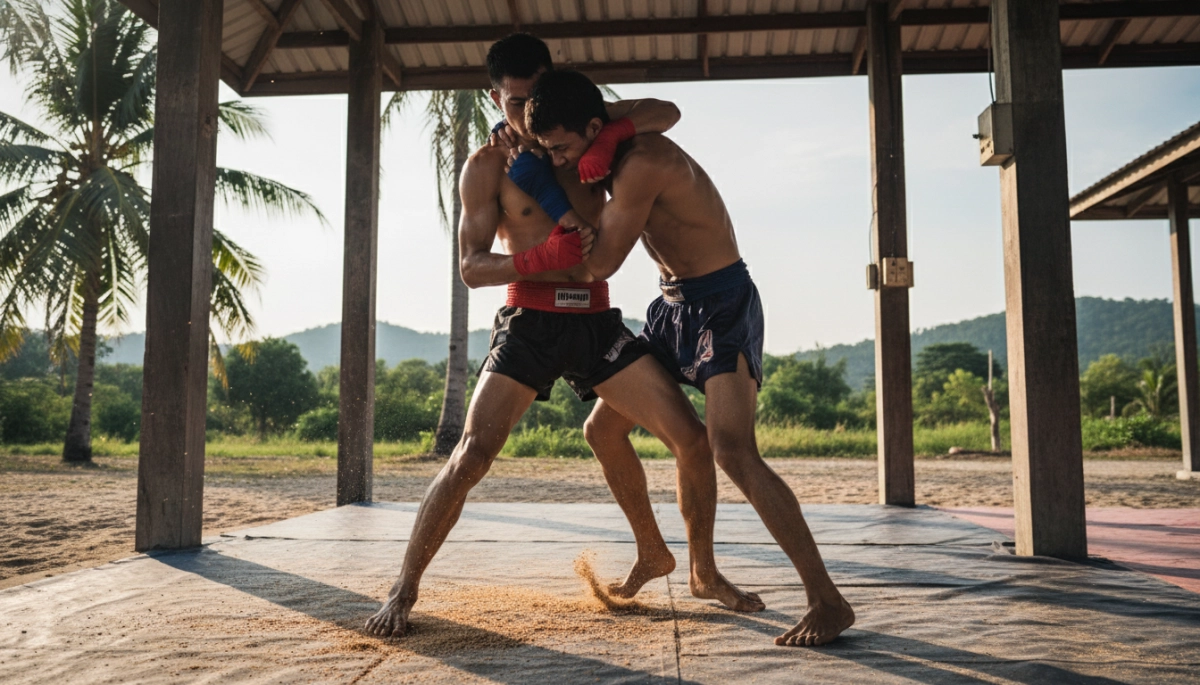
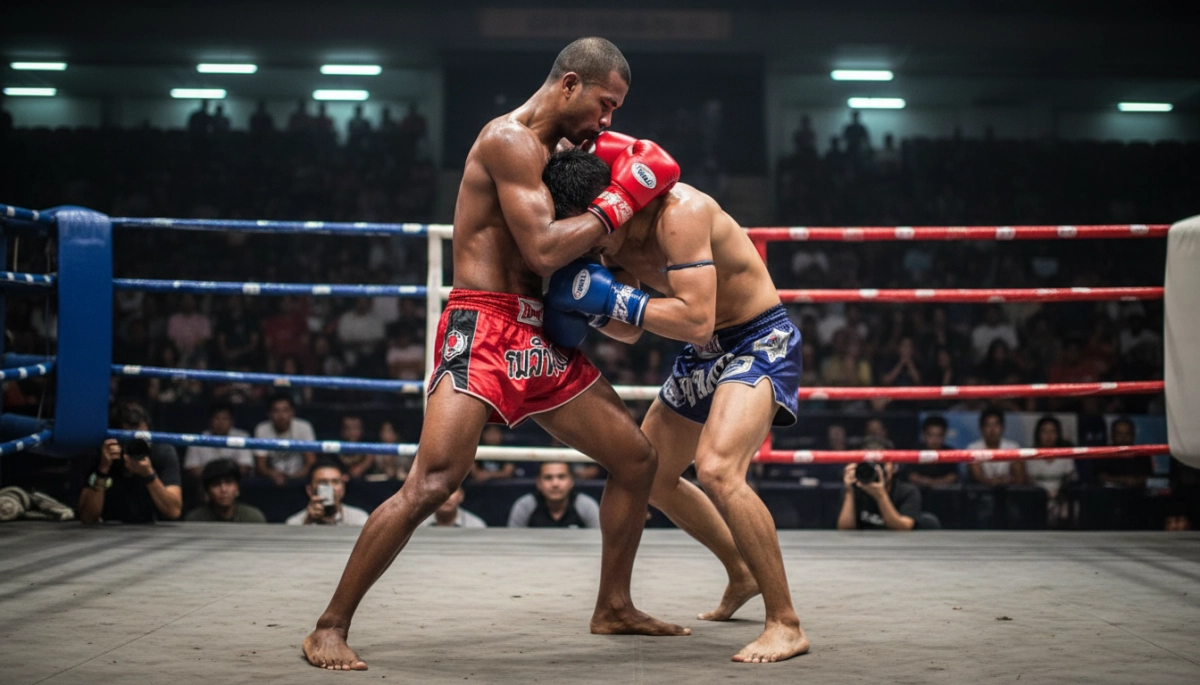
The Muay Thai clinch is where fights are often decided: it allows you to control posture, dictate striking range, and create openings for knees, sweeps, and off-balancing manipulations. When you control the clinch, you limit your opponent’s movement and force them into defensive reactions that you can exploit. In this section you’ll learn how to think about clinch control strategically, focusing on posture, leverage, and incremental domination rather than just brute strength.
What clinch dominance looks like in practice
Dominant clinch work combines tight grips, constant head control, and pressure that drives opponents backward or off their base. You should aim to:
- Maintain top-line control so their head and upper spine are guided by you.
- Neutralize their arms to prevent counters and frames.
- Create angles for knees and sweeps by shifting weight and changing levels.
As you progress, your goal is to convert small positional advantages into scoring strikes and fight-ending maneuvers. You’ll practice transitions between vertical control (upper-body clinch) and lower-body disruption (trips and sweeps) so you can chain attacks without giving them space to reset.
Establishing a reliable base: posture, hips, and head position
Your ability to dominate begins with how you stand and align your body. A strong clinch base is not about rigid stiffness — it’s about dynamic balance that resists takedowns while allowing you to generate force.
Key posture and balance principles
- Hips slightly forward: Keep your center of gravity forward to prevent being pulled off balance; this also helps you drive knees upward.
- Feet placement: Use a staggered stance with knees slightly bent; small, quick steps let you adjust angles and cut off escapes.
- Head as a lever: Your head, when used like a lever against theirs, controls posture and creates space for strikes—place your forehead or crown against their jawline or temple to steer them.
- Breath and relaxation: Stay relaxed in the neck and shoulders; tension burns energy and limits your ability to react.
Practice drills that emphasize balance under resistance: have a partner attempt to push or pull while you maintain clinch posture and execute a prescribed knee series. These reactive drills train you to hold position even when your opponent fights to regain control.
Mastering the primary grips: how to secure and transition control
The grips you establish dictate the options available. Start by learning and refining the three fundamentals: the double collar tie (plum), single collar tie, and underhook variations. Each grip offers different control and attack pathways.
- Double collar tie (plum): Use it to pin the head, flatten their posture, and deliver powerful vertical knees.
- Single collar tie: Allows rotation and off-balancing; combine with the opposite-side underhook for trip setups.
- Underhooks: Essential for lifting and sweeping; a deep underhook gives you leverage to break their base.
Work on smooth transitions between these grips while maintaining footwork and head pressure; the ability to change grips without losing control is what separates a competent clincher from an expert. In the next section you’ll learn specific entries, counters, and sweep setups that convert these grips into high-percentage attacks and fight-finishing sequences.
High-percentage clinch entries and counter-entries
Entries win fights as often as the techniques themselves. Rather than relying on a single, telegraphed move, develop a handful of reliable entries that flow from common fight situations: after a jab, during a missed kick, or from a body clinch. Three practical, high-percentage entries to drill are:
- Snap-down to plum: When your opponent lifts their posture after a missed punch or teep, snap their head down with an overhook-like pressure on the crown, then immediately slide both hands to the back of the neck to establish the plum. This converts momentum and limits their recovery.
- Single collar tie to opposite underhook: Use the single collar tie to rotate their upper body; as they turn, pummel your opposite arm underneath for a deep underhook. This entry creates the leverage needed for trips or body locks while maintaining a dominant head position.
- Leg kick set-up into clinch: Target the thigh with a fast low kick and step forward into the clinch as they react to the pain. The forward step shortens distance and gives you natural collar tie control while they hand-check or retreat.
For each entry practice an immediate follow-up: if you get the plum, drive vertical knees; if you secure the underhook, step to their hip and off-balance for a sweep. Also drill counter-entries—if your initial attempt is blocked, immediately switch levels or change side to avoid a stalled clinch. Hand-fighting drills where one partner constantly strips, frames, and replants allow you to practice these rapid exchanges until they become instinctive.
Sweep and trip sequences to break an opponent’s base
Breaking the opponent’s base creates openings for finishing strikes. Sweeps and trips rely on timing, weight distribution, and small foot placements more than brute strength. Try these sequences:
- Inside reap (kouchi/ashi barai variant): From an underhook and head control, off-balance the opponent by driving their head forward and slightly to the side. Step behind their near foot with your lead foot and reap or hook it while turning your hips—this rolls their weight and collapses their stance.
- Outside sweep with head pressure: With a strong plum, push the head down and to one side, then pivot your lead foot outside theirs and use your hip to bump them as you sweep the opposite leg with your rear foot. The head pressure forces weight onto the sweeping leg.
- Knee-and-pull trip: Strike knees to the thigh to make them lift or shift weight. As they lift, grab a deep underhook or ankle, pull while turning your torso, and guide them to the mat with controlled force—avoid full throws that risk counters.
Drill these as slow, progressive repetitions with a partner resisting incrementally. Emphasize foot timing—many sweeps fail because the reaping foot arrives too early or too late relative to the head pressure.
Combining knees, elbows, and transitions for fight-finishing chains
Clinches are best when you can chain attacks without resetting. Integrate short, potent sequences that mix vertical knees with short elbows and immediate positional changes:
- Start in the plum with short vertical knees to the sternum and ribs to sap posture.
- When they try to frame or push your head away, immediately step to the side, switch a hand to a single collar, and fire a short elbow across the jaw while maintaining the off-hand underhook.
- Follow the elbow by re-establishing the plum or underhook and finishing with a sharp lateral knee or a quick sweep if their weight shifts.
Key practice cues: keep strikes compact (no telegraphing), keep constant head contact so you never lose top-line control, and always finish your strike by returning to a controlling grip. Condition your neck, shoulders, and core with partner resistance and bag work so these chains remain explosive late in a round.
Progressive drilling and training structure
To convert techniques into reliable reactions, organize training into progressive phases. Begin with solo repetitions to groove hand positions, footwork, and neck posture. Move to cooperative partner drilling focusing on entries, grips, and slow sweeps, then add resistance gradually: light pressure, situational drilling (specific entries or counters), and finally controlled sparring rounds where clinch duration and intensity increase incrementally.
- Short, focused rounds (2–3 minutes) emphasizing one theme—like underhook pummeling or plum knees—build specificity without fatigue degrading technique.
- Include conditioning that targets neck, shoulders, hips, and core; isometric holds, resisted clinch carries, and heavy-bag upper-body work maintain endurance for late-round clinch control.
- Prioritize safety: tap and reset on risky sweeps, communicate intentions in training, and always rehearse break-and-escape drills so both partners leave sessions healthier and more skilled.
Taking your clinch to the next level
Mastery comes from deliberate, repeatable practice and a willingness to test small mistakes under controlled pressure. Track sessions, note which entries fail under resistance, and simplify until the movement becomes automatic. Seek feedback from coaches, film your clinch rounds to spot posture leaks, and integrate controlled sparring slots where clinch time is scored so you learn to dominate without relying on strength alone. For background on techniques and culture that inform modern clinch work, consult Muay Thai on Wikipedia.
Key Takeaways
- Clinch dominance is built on posture, head control, and smooth grip transitions more than brute strength.
- Drill progressively from solo repetitions to resisting partners, and prioritize compact strikes chained to positional control.
- Measure progress with focused rounds, video review, and coach feedback while maintaining safety in sweep and throw practice.