How Muay Thai Emerged from Warfare and Community Life
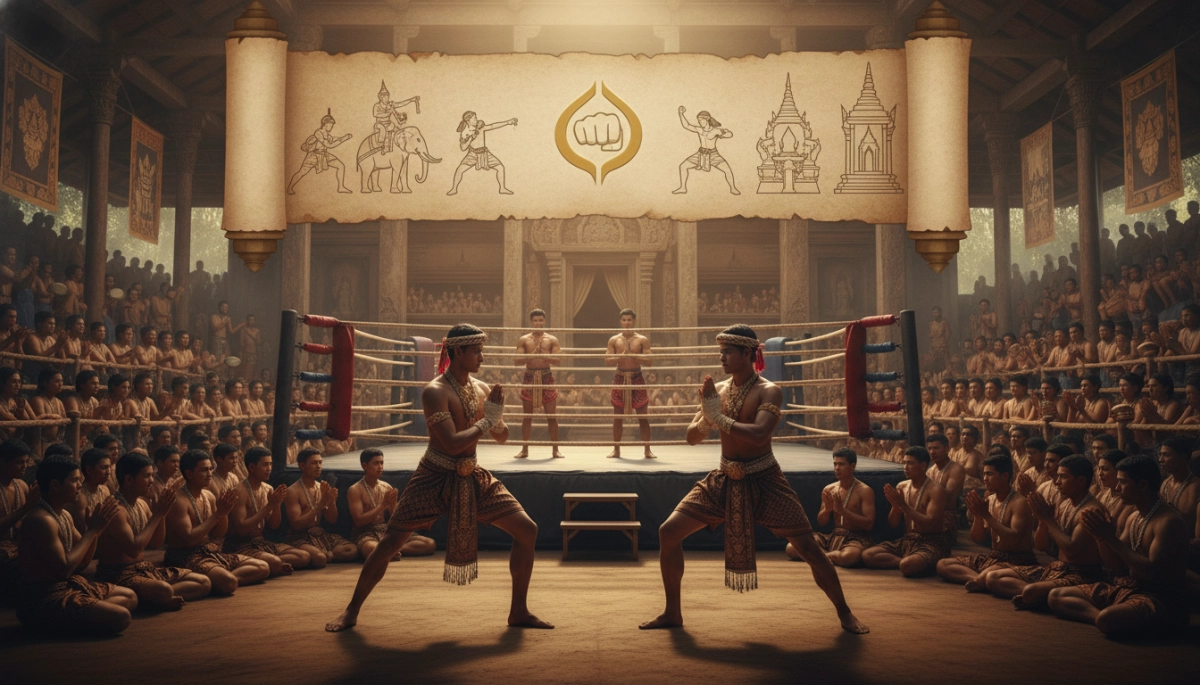
You’ll find that Muay Thai did not begin as a sport in the way you understand boxing today; it grew from practical battlefield needs and communal training. Originating in what is now Thailand, Muay Thai evolved over centuries as a form of unarmed combat used by soldiers and villagers for self-defense, military campaigns, and ritualized contests. The earlier, less-regulated forms of the art are commonly referred to as Muay Boran (ancient boxing), a term that captures the techniques, strategies, and cultural role the discipline played before formal rules were imposed.
Muay Boran: practical fighting shaped by history
When you study Muay Boran, you see a direct link to historical conditions: close-quarters combat, improvised weapons training, and emphasis on strikes that could incapacitate an opponent quickly. Regional variations developed across different Thai kingdoms, and masters trained fighters in a wide palette of offensive and defensive moves. The eight limbs—fist, elbow, knee, and shin on each side—became a defining technical foundation because they were effective for both battlefield use and one-on-one challenges.
- Origins tied to the Ayutthaya and Sukhothai eras, where martial readiness was part of civic life.
- Techniques adapted for armor, terrain, and real combat scenarios rather than ring sport.
- Transmission through military schools, village teachers, and royal patronage.
Traditional Training Methods and Ceremonies You’ll Encounter
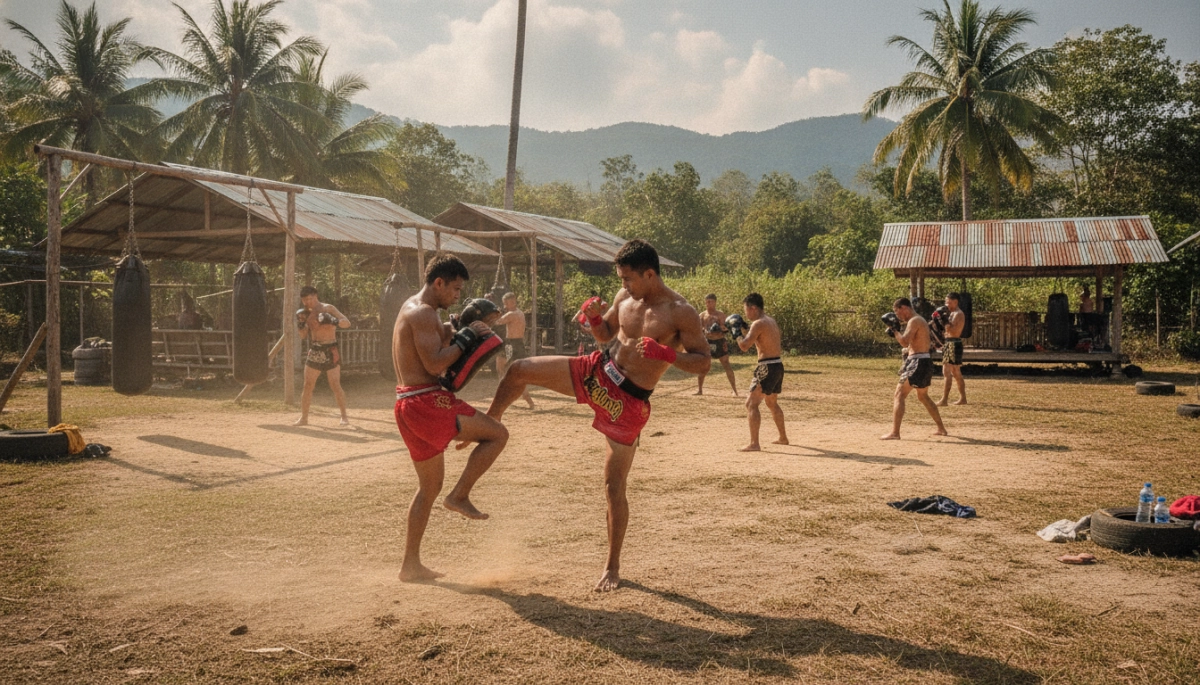
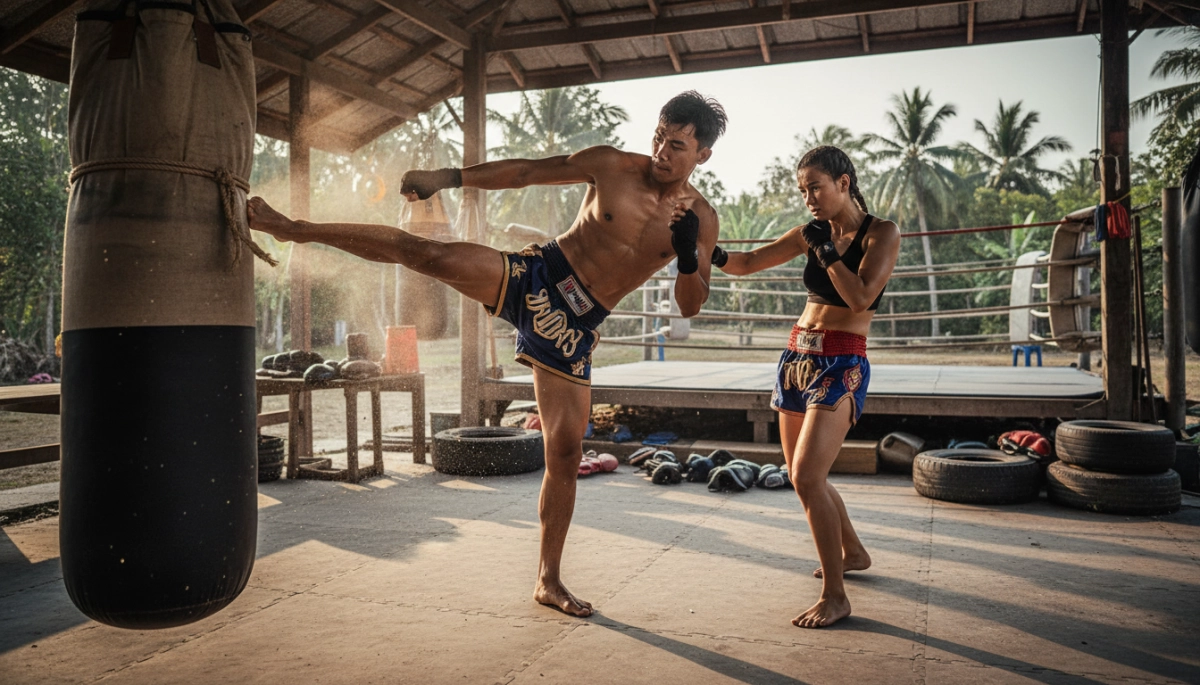
You’ll notice that tradition and ritual are as central to Muay Thai as physical technique. Training in traditional camps emphasized conditioning, repetitive drills, and mental discipline. Many practices were designed to harden the body—running, rope jumping, repetitive striking on pads and bags—and to cultivate timing and balance for clinch work and close-range strikes.
Rituals, symbols, and the music that guides the ring
Several customs persist that connect modern fighters to their cultural roots. Before a fight, you’ll see a fighter perform the Wai Khru Ram Muay, a choreographed ritual of respect toward teachers, family, and spiritual protectors. The headband (mongkol) and armband (prajiad) carry symbolic significance; they can represent lineage, protection, or a blessing from a trainer. These items often accompany a ceremonial bow and are removed before the bout begins.
- Wai Khru Ram Muay: personalized ritual dance that displays respect and readiness.
- Mongkol and prajiad: talismans that link the fighter to a gym, teacher, or tradition.
- Music (Sarama): live musical accompaniment that sets tempo and mood during the ritual and early rounds.
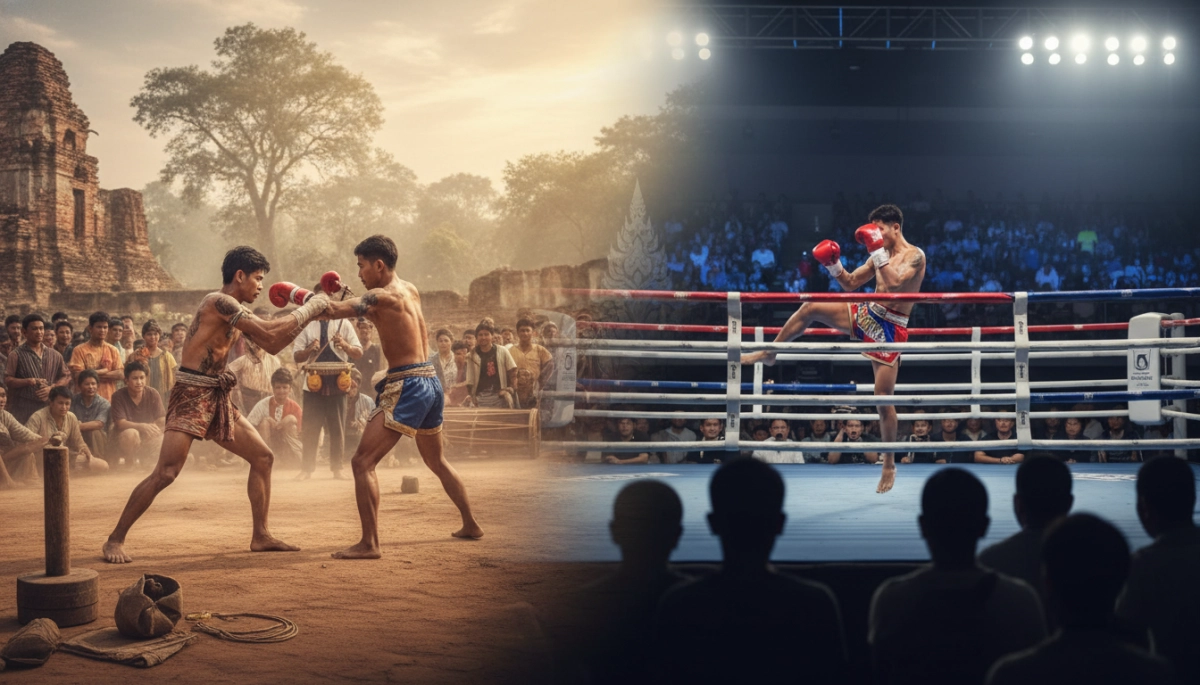
Understanding these early practices helps you see Muay Thai as a living tradition rather than merely a collection of techniques. In the next section, you’ll explore how these ancient methods and rituals were transformed into the regulated sport you see in modern rings—through rule changes, equipment adoption, and the rise of stadium competition.
Codifying Combat: Rules, Equipment, and the Scoring System
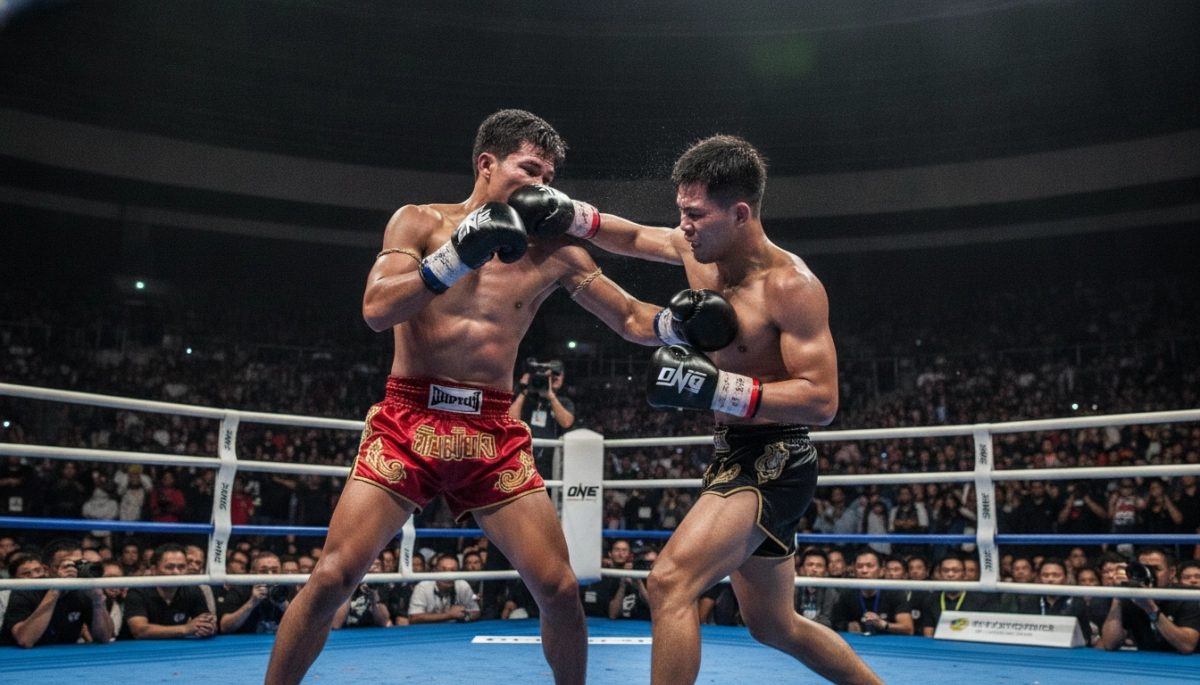
You’ll see that turning a pragmatic battlefield art into a spectator sport required choices that reshaped how Muay Thai is practiced. Modern Muay Thai is governed by a set of rules that emphasize safety, fairness, and entertainment while retaining the art’s core techniques. Gloves largely replaced the open-hand strikes of Muay Boran, altering both offense and defense; protective equipment and ring protocols curtailed the most dangerous battlefield maneuvers, producing contests suited to repeated competition rather than single, decisive encounters.
Key changes you’ll notice include:
– Standardized rounds and timing that create pacing and strategy rather than one-off survival fights.
– Weight classes and matchmaking that aim for competitiveness and athlete safety.
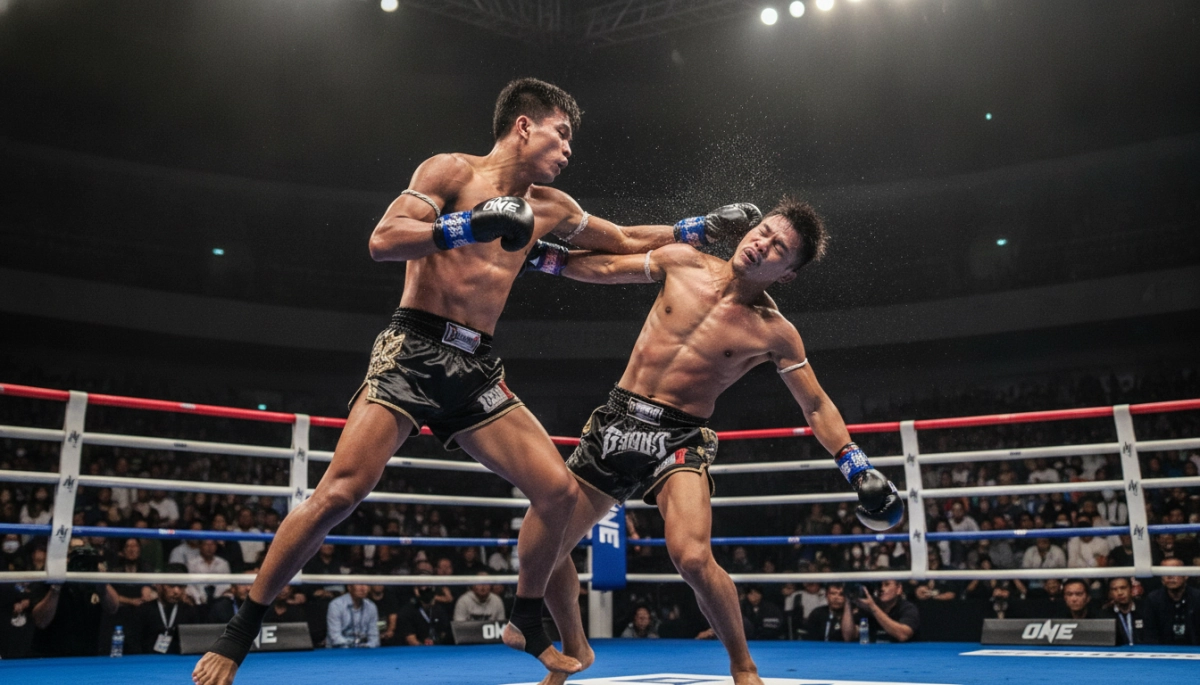
– A codified scoring system that rewards clean, effective techniques—powerful kicks, knees, elbows, and control in the clinch—rather than chaotic aggression alone.
– Referee oversight, ringside medical checks, and licensing to reduce long-term injury.
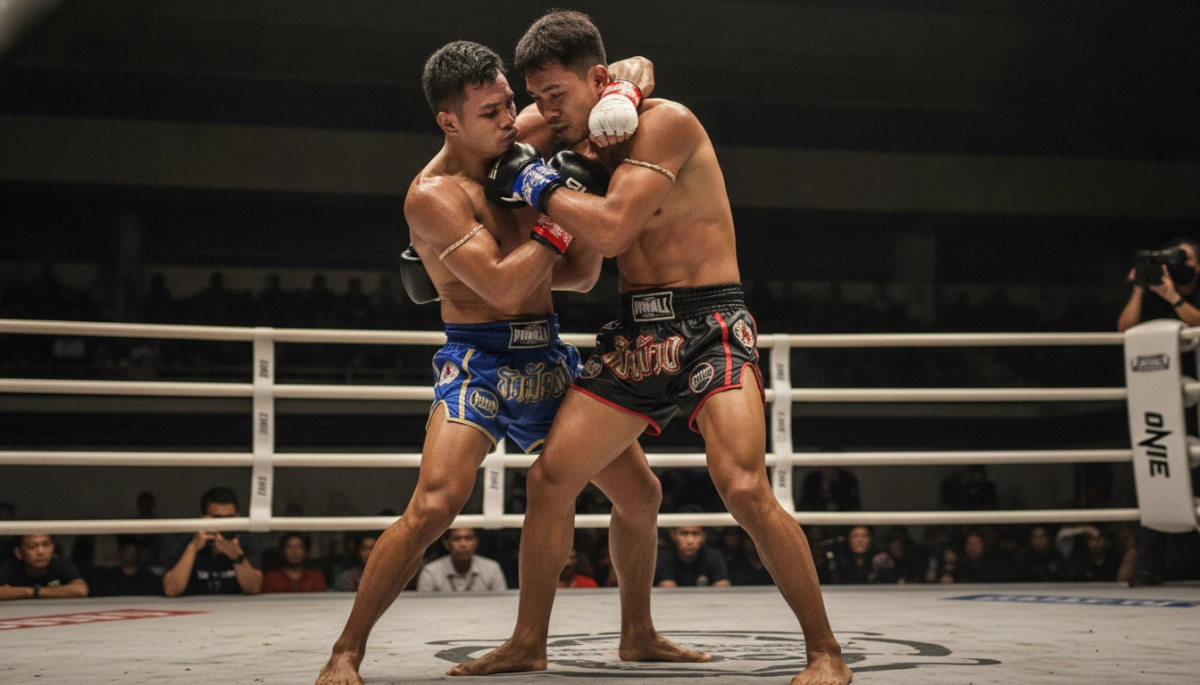
Scoring in Muay Thai is distinctive: judges prioritize techniques that demonstrate dominance and damage—hard, scoring kicks and knee strikes often weigh more heavily than repeated light punches. Clinch control and the ability to off-balance an opponent are scored as technical superiority. This emphasis preserves the tactical richness of the art; fighters must balance aggression with precision, conditioning with timing. As rules formalized, trainers adapted methods: sparring became more measured, conditioning more scientific, and tactics more suited to rounds-based rhythm. In short, codification transformed Muay Thai into a repeatable, teachable sport while keeping its combative heart.
From Lumpinee to the World: Stadium Culture, Commercialization, and Global Expansion
You’ll find that stadiums and promoters played a central role in elevating Muay Thai from local tradition to national spectacle. Two institutions became particularly important: Rajadamnern Stadium and Lumpinee Stadium in Bangkok—venues where lineage, ranking, and fame coalesced. These stadiums created formal championship belts, regular fight nights, and a star system that turned skilled fighters into household names. The stadium scene also attracted gambling and media attention, which fed both financial support and popular interest.
The golden eras of stadium Muay Thai produced legendary fighters whose styles and personalities helped define the sport’s identity. Promoters and gyms began operating like brands: fighters carried a gym’s name, and successful camps became talent factories with signature training philosophies. Television coverage and later digital media extended the reach of those spectacles, making Muay Thai accessible to international audiences.
In recent decades Muay Thai’s expansion beyond Thailand accelerated. International federations, amateur championships, and the proliferation of training camps worldwide created new pathways for non-Thai practitioners to learn and compete. This globalization sparked productive tensions: some gyms emphasize sport-oriented training and safety standards suitable for international competition, while others maintain older rituals and techniques as cultural preservation. Both trends coexist, and you’ll often see fighters who respect ceremony and lineage yet train with modern strength, conditioning, and sports science.
Understanding this phase helps you appreciate how Muay Thai manages to be both a deeply rooted cultural practice and a dynamic global sport. Its institutions—stadiums, promoters, gyms, and federations—have turned ancient techniques into living, evolving systems that continue to generate new champions and new interpretations of the “art of eight limbs.”
Contemporary Challenges and the Path Forward
As Muay Thai continues to globalize, practitioners and institutions face choices that will shape the art’s future. Balancing respect for cultural rituals with the demands of modern sport requires thoughtful stewardship: maintaining the Wai Khru, mongkol, and traditional pedagogy while adopting improved safety protocols, evidence-based training, and fair governance. Expanding participation—from women and international athletes to amateur circuits—has widened the talent pool but also raised questions about commercialization, athlete welfare, and preserving lineage. Addressing these challenges means fostering transparent regulation, supporting grassroots gyms, and encouraging cross-cultural exchange without erasing local identity.
Enduring Spirit of Muay Thai
More than technique or spectacle, Muay Thai endures because it connects people to history, community, and personal discipline. Whether you encounter it in a village gym, a major stadium, or a training camp abroad, the art asks practitioners and fans alike to honor its roots while helping it grow responsibly. For those who want to explore organized aspects of the sport and its international development, the International Federation of Muaythai Associations offers resources and entry points. Above all, the future of Muay Thai depends on those who practice it with respect—for teachers, for opponents, and for the cultural traditions that made the art possible.
Key Takeaways
- Muay Thai evolved from battlefield and communal practices into a codified sport while retaining ritual and cultural meaning.
- Modernization brought rules, equipment, stadium culture, and global expansion, creating tensions between sportification and tradition.
- Preserving Muay Thai’s future requires balancing cultural respect, athlete welfare, and inclusive, transparent governance.
Recommended Posts