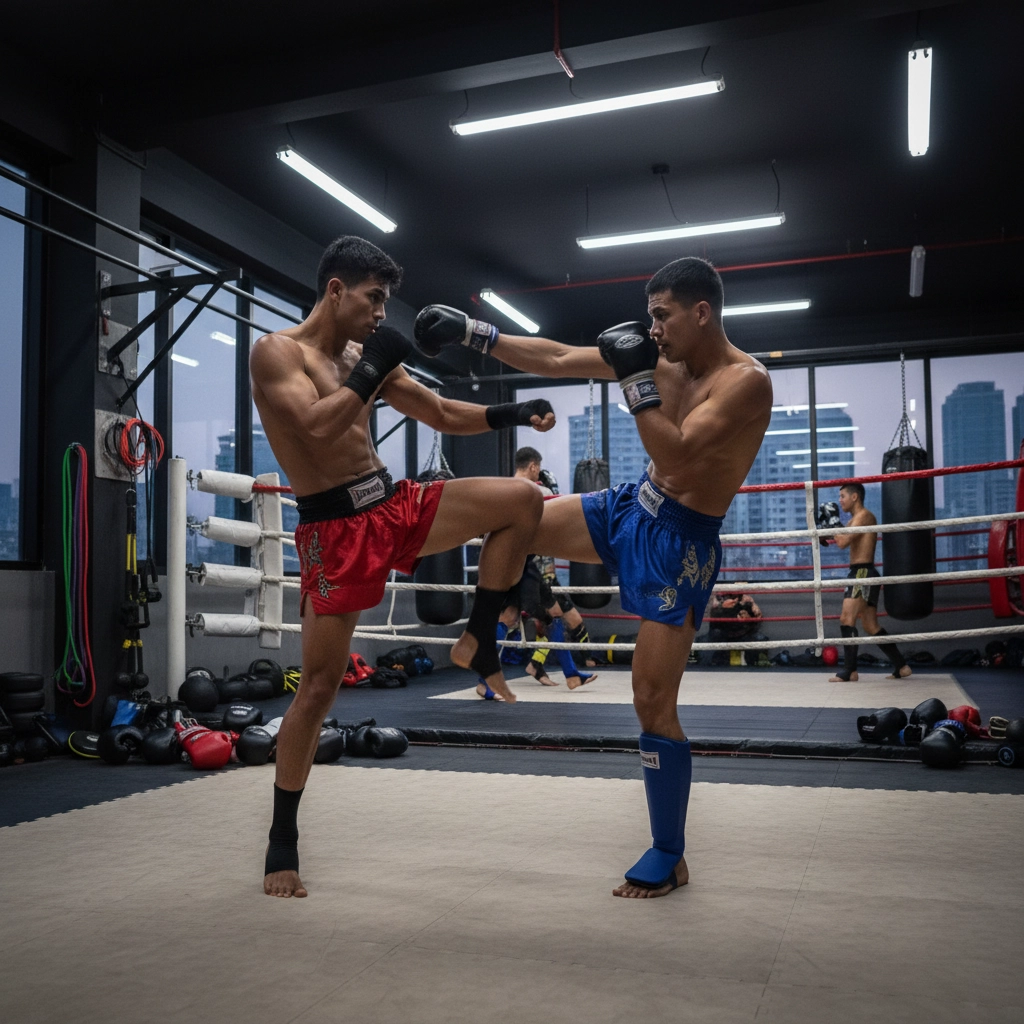
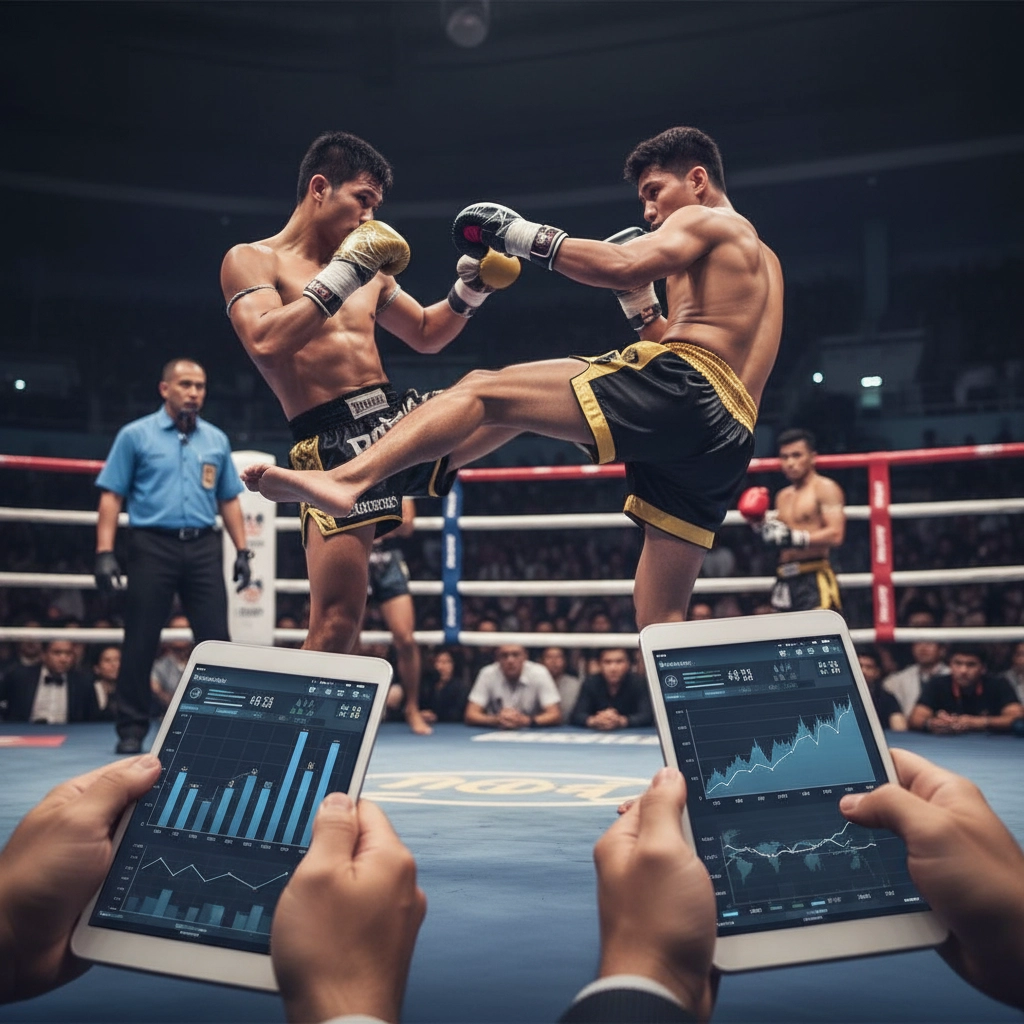
You’re approaching a combat sport where elbows, clinch work and leg kicks change outcomes faster than boxing or MMA. Muay Thai fights often hinge on technical nuances — pace, stamina and the ability to control range — so using generic betting habits will leave you exposed. To win more consistently you need to adapt how you research, choose markets and size your stakes specifically for Muay Thai.
Start by accepting that variance is high: many fights end by stoppage from strikes that accumulate slowly (cuts, swelling, or leg damage). That means markets like round betting and method-of-victory are influenced by different variables than straight moneyline wagers. You’ll get better results if you systematically prioritize fighter profiles, stylistic matchups and event context before you ever click “place bet.”
How to Read Muay Thai Betting Markets Effectively
Not all betting markets are equally useful for your goals. You should understand the common Muay Thai markets and when each offers value:
- Moneyline/Match Winner — Simple but often heavy on favorites in regional cards; good for confident edges.
- Method of Victory — Useful when a fighter’s style strongly implies a stoppage (e.g., powerful elbow/leg kick specialist).
- Round Betting/Over–Under Rounds — Leverage if a fighter tends to finish early or conversely fades late.
- Prop Bets (e.g., knockdowns, dominant clinch rounds) — Can hide value if you spot tendencies not reflected in the main lines.
Always compare odds across bookmakers. Small price differences translate into meaningful edges over time. Convert decimal odds into implied probability so you can spot inflated lines and bet only where your assessed chance of an outcome exceeds the implied probability (i.e., value betting).
Assessing Fighters: What to Research Before You Bet
Betting success begins at the tape and stats, but you must focus on Muay Thai-specific traits. When you evaluate a matchup, examine:
- Style matchup — Does one fighter control distance with teeps and kicks while the other thrives in the clinch?
- Striking tools — Look for elbow and knee proficiency, low kicks volume, and balance between offense and defense.
- Durability and cuts history — Some fighters are prone to swelling or cuts that flip a fight late.
- Cardio and pace — High-output fighters can dominate later rounds; short-burst finishers may falter if the fight goes long.
- Recent form and level of opposition — A long win streak against lower-tier opponents may not translate up the ranks.
- Weight and rehydration — Watch for fighters struggling to make weight; they often gas or are weaker late.
Combine video breakdowns with statistics and market movement to form a clear, ranked list of factors that matter for each fight; this checklist becomes the basis for disciplined wagers. In the next section you’ll see how to convert those observations into practical staking plans and live-betting tactics that exploit momentum shifts during Muay Thai events.

Staking Plans Built for Muay Thai Variance
Muay Thai’s stoppage frequency and abrupt momentum shifts demand a staking plan that protects your bankroll while letting you exploit edges. Start by converting your bankroll into units (e.g., 1 unit = 1% of bankroll). Use unit-based thinking rather than emotion: decide before the card how many units you’ll risk on a single fight and on a single night.
Practical rules to follow:
- Scale by edge: Small edge (your assessed probability only slightly higher than implied) = 0.5–1 unit. Clear edge = 2–3 units. Exceptional, rare edges = max 4–5 units. This keeps variance tolerable while compounding gains.
- Fractional Kelly: If you use Kelly sizing, apply a conservative fraction (25–50%) to avoid large swings. Kelly is powerful but can recommend large bets; fractioning tames volatility, which is vital in Muay Thai.
- Round/prop sensitivity: Props and round bets are higher variance—use smaller stakes (e.g., 25–50% of your usual unit) unless you have particularly strong, quantifiable reasons.
- Per-event exposure cap: Limit total exposure to one event (including correlated props) to a fixed percentage—commonly 5–10% of bankroll—so a bad night doesn’t derail long-term goals.
- Avoid correlated parlays: Parlays that depend on the same fight (e.g., winner + method + rounds) amplify correlation risk and should be avoided or kept tiny.
Record every bet: odds, stake, rationale, and outcome. Over months you’ll see which sizes and markets produce the best risk-adjusted returns in Muay Thai specifically.
Live-Betting: Exploiting Momentum, Clinch Control and Damage Accumulation
Live markets are where Muay Thai’s dynamics create the most value—but they’re also fast and unforgiving. To win consistently, enter live bets only when you have a simple, repeatable edge and can act fast (or use speed-friendly platforms). Your live checklist should include:
- Damage accumulation: Repeated low kicks, visible swelling, cuts or limping predict late stoppages. If a fighter visibly loses mobility, back the opponent for later-round finishes or the “fight not to go distance” market.
- Clinching dominance: When a fighter consistently controls the clinch and lands knees/elbows, that often translates into scoring and stoppage pressure—look for round or method props favoring the clinch-dominant fighter.
- Pace vs. recovery: Early high-volume bursts may indicate a fighter will gas. If the aggressive fighter shows degraded output in round two, live the under on rounds or back the more conservative opponent for later rounds.
- Referee and corner signals: A referee who stops for accumulative damage early in the card or a corner visibly tending to cuts can shift expected outcomes and value lines.
Execution tips:
- Bet smaller live stakes than pre-match (latency and line movement eat edges).
- Use multiple accounts to capture the best live price and to hedge if lines move against you.
- Don’t chase a missed pre-match bet by over-betting live; stick to your unit rules.
- Consider quick cash-outs only when the remaining value is marginal or when preserving bankroll after unexpected adversity.
When combined—strict staking plus disciplined live reading of damage, clinch control and pace—you’ll convert research advantages into repeatable profit in the uniquely volatile world of Muay Thai betting.

Managing Psychology and Continuous Improvement
Discipline separates long-term winners from one-night gamblers. Set limits for losing streaks, take breaks after emotionally charged sessions, and avoid revenge-betting. Use a simple review routine after each card: note what you learned, which reads were right or wrong, and one adjustment to test next time.
- Keep an objective bet log and review it weekly.
- Limit exposure after a loss—stop if your decisions are driven by emotion, not edge.
- Practice live-betting reactions in low-stakes environments before scaling up.
Final Notes for Serious Muay Thai Bettors
Treat Muay Thai betting as a craft: keep sharpening your fight-reading skills, respect variance, and protect your bankroll. Make incremental improvements, stay humble about luck, and rely on sound process rather than short-term results. For rule clarifications, tournament structures and reliable fighter records consult authoritative sources such as IFMA, and always prioritize responsible gambling.
Frequently Asked Questions
How should I size bets specifically for Muay Thai?
Use unit-based staking (e.g., 1 unit = 1% of bankroll). Scale bets by assessed edge: small edges = 0.5–1 unit, clear edges = 2–3 units. Apply fractional Kelly (25–50%) if you use Kelly. Reduce stake size for high-variance markets like round bets and props.
Is live betting a good strategy for beginners?
Not usually. Live betting requires fast judgment, low latency, and strict discipline. Beginners should master pre-match analysis and small, controlled live bets in low-stakes situations before increasing exposure.
Which markets tend to offer the best value in Muay Thai?
Value often appears where fight-specific knowledge matters: moneyline when you spot underrated stylistic advantages, method-of-victory when a fighter consistently forces stoppages, and certain props (knockdowns, clinch-dominant rounds) when footage shows tendencies not priced into the market. Remember, higher value often comes with higher variance—size stakes accordingly.
Recommended Posts