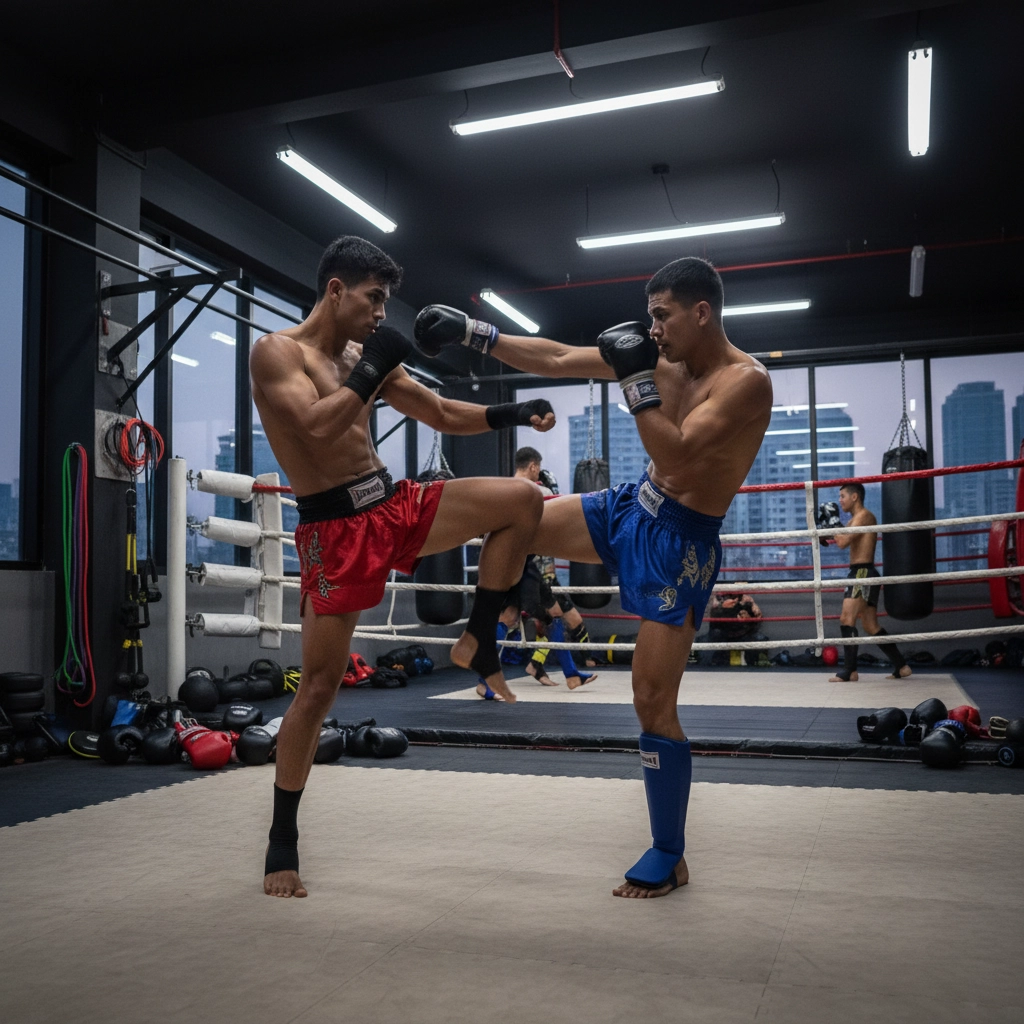
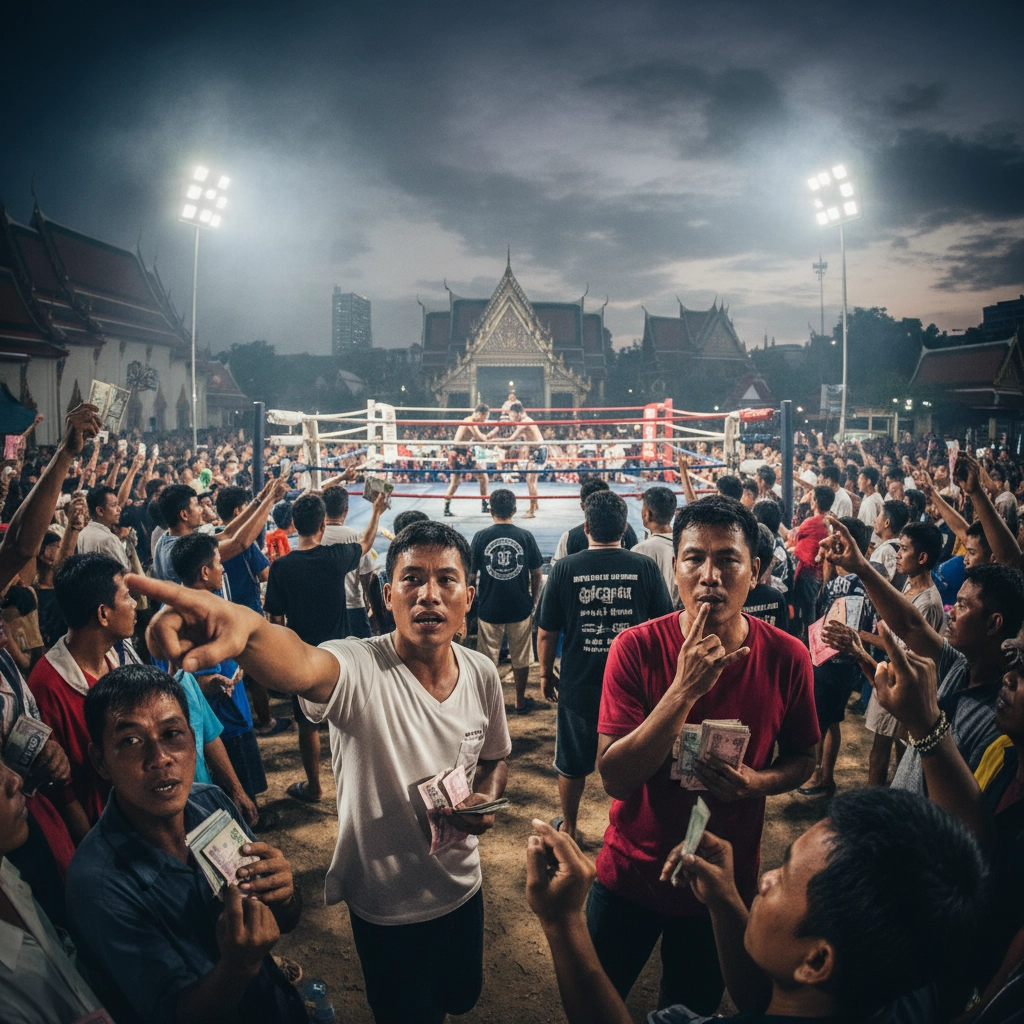
You already know Muay Thai is fast, unpredictable, and dominated by clinches, knees, and sudden momentum swings. Klađenje na Muay Thai uživo (live betting) amplifies those traits: prices move quickly, public sentiment shifts after every round, and a single strike can change everything. When you bet live, you’re not just predicting the final result — you’re reacting to real-time dynamics. That means you must combine pre-fight preparation with calm, disciplined decision-making during the rounds.
Before you place your first live wager, set clear objectives: are you looking for small, frequent wins or larger, selective bets? Do you prefer round markets, method-of-victory, or moneyline swings? Your goals determine how aggressive you should be when opportunities pop up mid-fight.
How to use pre-fight analysis to inform live choices
Even though the action happens in real time, your best live decisions are grounded in pre-fight study. When you watch a matchup, pay attention to:
- Fighting styles: Does one fighter prefer clinch-and-knee work while the other relies on long-range kicks? Style mismatches become clearer once the fight starts.
- Stamina and pace: Fighters who historically fade after round two create late-round betting opportunities for fresher opponents.
- Finish rates and defense: A high knockout rate suggests volatile momentum; expect rapid odds changes after any heavy strikes.
- Corner experience and fight IQ: Intelligent corners will change tactics quickly. If you see a technical adjustment, odds may stabilize and present value.
Clear signals that tell you it’s time to place a live bet
Knowing when to bet live is about spotting reliable signals, not chasing excitement. You should consider wagering when you see one or more of the following:
- Momentum swings confirmed by activity: If a fighter who was passive suddenly starts dictating clinch control and knees, the statistical likelihood of him winning the next round increases — and odds will often lag behind that change.
- Visible fatigue in a favorite: When a pre-fight favorite shows clear signs of slowing — dropped hands, sloppy footwork, or heavy breathing — live value often appears on the underdog for the next round or the remainder of the fight.
- Injury or cut that is visibly affecting performance: A limp or a bleeding eye that limits vision should shift your bets away from the injured fighter, sometimes immediately.
- Tactical adjustments from the corner: If a corner fixes a vulnerability (e.g., teaching better distance control), the fighter may regain control and the market can take a few seconds to catch up.
When holding off is the smarter play
Not every moment is a betting opportunity. You should frequently wait when the picture is unclear or when market prices reflect true uncertainty. Hold back if:
- Both fighters are feeling each other out with low activity — the market often overreacts to a single strike in such early exchanges.
- There’s conflicting information: noisy commentary, unclear replays, or inconsistent referee behavior that causes rapid odds swings.
- You lack a pre-defined staking plan for live bets — impulsive increases in stake size are a common way to lose discipline.
With these foundational rules, you’ll start treating live Muay Thai betting less like gambling and more like applied observation — next, you’ll learn specific in-fight indicators and bankroll rules to convert those observations into consistent decisions.
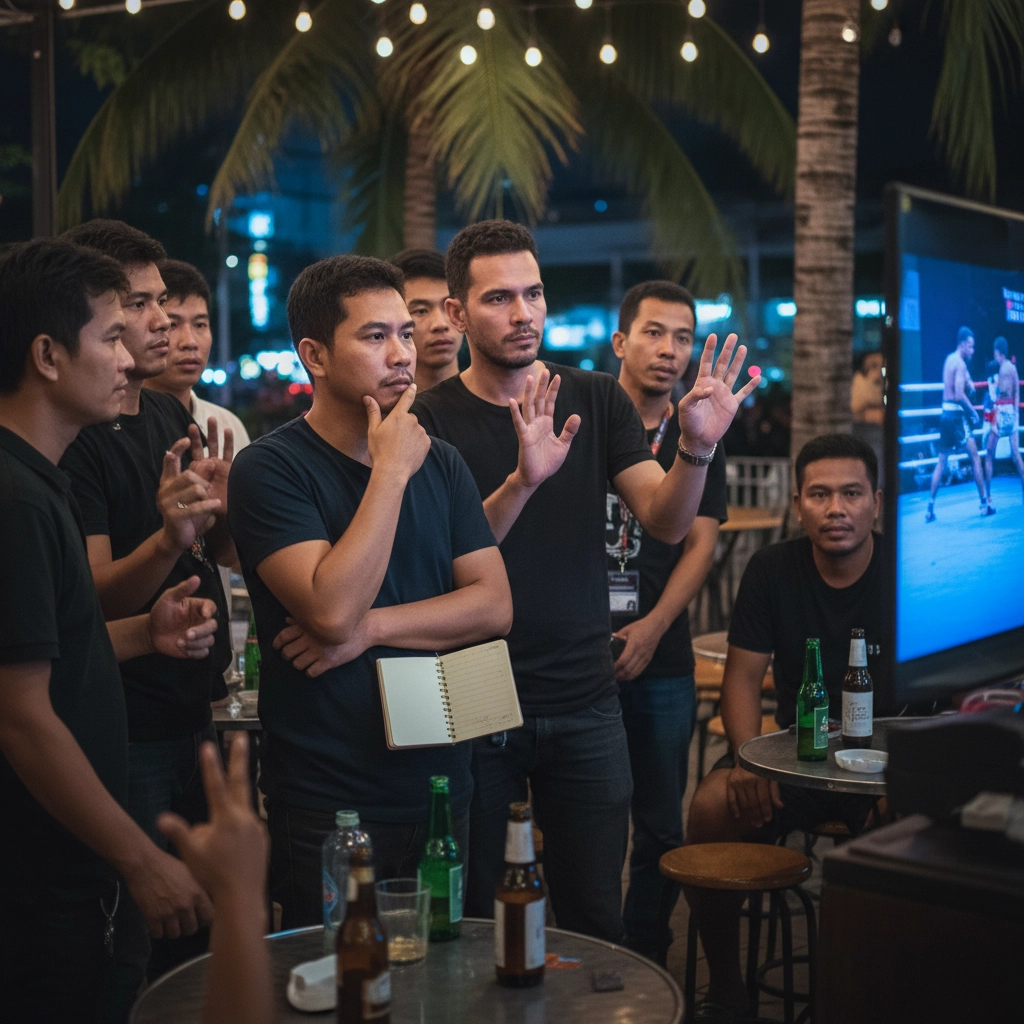
Specific in-fight indicators that tell you the fight’s rhythm
Even small details that casual viewers miss are gold for a live bettor. Train your eye to notice signals that reliably precede shifts in control so you can act before the market fully adjusts.
– Clinch quality, not just frequency: count effective knees and whether the clincher is controlling posture and off-balancing. A fighter who consistently breaks posture and lands knees is turning rounds into point wins and late finishes; that’s a cue to back him for the next round or the fight if it’s early enough.
– Damage distribution: look at where strikes land. Repeated body shots that slow footwork or consistent leg kicks that reduce mobility are slow-build indicators — value often appears on the fresher fighter in rounds three and later.
– Reaction time and head movement: a fighter who suddenly stops slipping or starts eating clean shots is at higher risk of a KO sequence. Odds for a finish can compress quickly; if you spot dulled reflexes, consider smaller, targeted bets on stoppage markets.
– Corner urgency and instructions: frantic corner activity between rounds (yelling, tape adjustments, visible tactical pivot) suggests a planned change. If the corner asks for more pressure and the fighter returns aggressively, the market may lag behind until a significant sequence occurs.
– Visible injury or impaired vision: a clouded eye, swollen cheek, or favoring a limb creates immediate handicaps. Bet on the opponent for the next round or on a late stoppage once the impairment is confirmed.
– Pace vs. output mismatch: a fighter throwing a lot but landing low-percentage strikes is a red flag. High activity with low impact often signals vulnerability if the opponent starts timing counters.
– Bell responses: note who wins the tangibles at the bell — who takes the center, who is passive, who is breathing heavy. Answers to the bell set the tone for the next betting window.
Use a mental checklist and prioritize the indicators that match your pre-fight read. A single strong signal aligned with pre-fight tendencies is often enough to justify a live stake; avoid betting on isolated or ambiguous cues.
Practical staking and bankroll rules for live Muay Thai
Live markets demand tighter money management than pre-fight betting. Because volatility is higher and your reaction time can be imperfect, protect the bankroll with strict rules.
– Set a live-bankroll allocation: keep a separate portion of your total staking bank for live action (for example, 20–30%). This prevents live variance from wrecking your long-term plan.
– Use small, fixed percentages: stake 0.5–2% of your live bankroll on most single live bets. Use the lower end for volatile markets (next-round finishes) and the higher end for clear, high-confidence situations (confirmed injury or dominant clinch).
– Cap exposure per fight and per session: limit total live exposure to, say, 3–5% of your live bankroll on a single fight and a maximum session loss (e.g., 10% of live bankroll) to keep emotions in check.
– Scale in, don’t chase: if you see increasing confirmation of a trend, add incrementally rather than doubling down after a loss. Predefine ladder steps (e.g., 0.5%, then 1%, then 1.5%) tied to specific confirmation points.
– Avoid martingales and emotional hedging: chasing losses or doubling to “get even” destroys discipline. Use hedges only when they lock profit or meaningfully reduce risk, and size them conservatively.
– Track everything: log live bets, reasons, stake size, and outcome. Over time this data will show which indicators and staking rules work for your style.
Discipline in execution—small, consistent stakes and strict stop rules—turns in-fight observations into repeatable results, rather than a string of lucky or costly impulses.

Putting the live approach into practice
Live Muay Thai betting rewards patience, clean observation, and strict money management more than bravado. Treat each fight as a short research session: watch rounds with intent, test your checklist in low-stakes situations, and refine which in-fight cues give you the edge. Keep your live bankroll separate, stick to pre-planned stakes, and accept that variance is part of the game—your edge comes from disciplined repetition, not occasional intuition. For background on the sport itself (useful when building instincts), see Muay Thai basics.
Finally, place entertainment and responsible play first. If live action stops being fun or you find yourself chasing losses, step away and review your log before returning. Small, consistent improvements will compound into better decision-making at the odds boards and a healthier long-term record.
Frequently Asked Questions
When is the best moment in a Muay Thai fight to look for live-betting value?
Look for confirmed shifts in control: a fighter who changes tempo and dominates the clinch, visible fatigue in a pre-fight favorite, or a clear injury. Avoid betting on isolated or ambiguous events—wait for at least one observable confirmation that aligns with your pre-fight read.
How much of my bankroll should I allocate to live betting versus pre-fight wagers?
Keep live funds separate and smaller: many bettors allocate 20–30% of their total bankroll for live action. Within that live bankroll, use conservative stakes (0.5–2% per bet) and cap exposure per fight and per session to protect against rapid volatility.
Which in-fight indicators are most predictive of an imminent finish?
Signs that often precede a stoppage include dulled reaction time or head movement, repeated unanswered heavy strikes, a visibly compromised eye or limb, and a fighter being consistently off-balanced in the clinch. Use these indicators in combination with context (stamina, history, and corner behavior) before placing finish-based bets.
Recommended Posts