How Rodtang’s early journey explains his aggressive Muay Thai style
You’ll notice from the outset that Rodtang Jitmuangnon’s public image is built on relentless pressure and a willingness to exchange. That persona traces back to a childhood spent training and fighting in Thailand’s regional circuits. When you study his trajectory, you’ll see a pattern familiar to elite Thai fighters: an early start, hundreds of rounds in local stadiums, and a steady climb through the country’s ranked system.
Understanding his beginnings helps you appreciate why his fights often feel like constant forward motion. Rather than relying on a single spectacular technique, Rodtang’s knockout record is the product of cumulative damage — nonstop strikes, stamina, and mental tenacity.
Foundations: early fights, gym life, and the building blocks of his knockouts
Early ring experience that shaped his approach
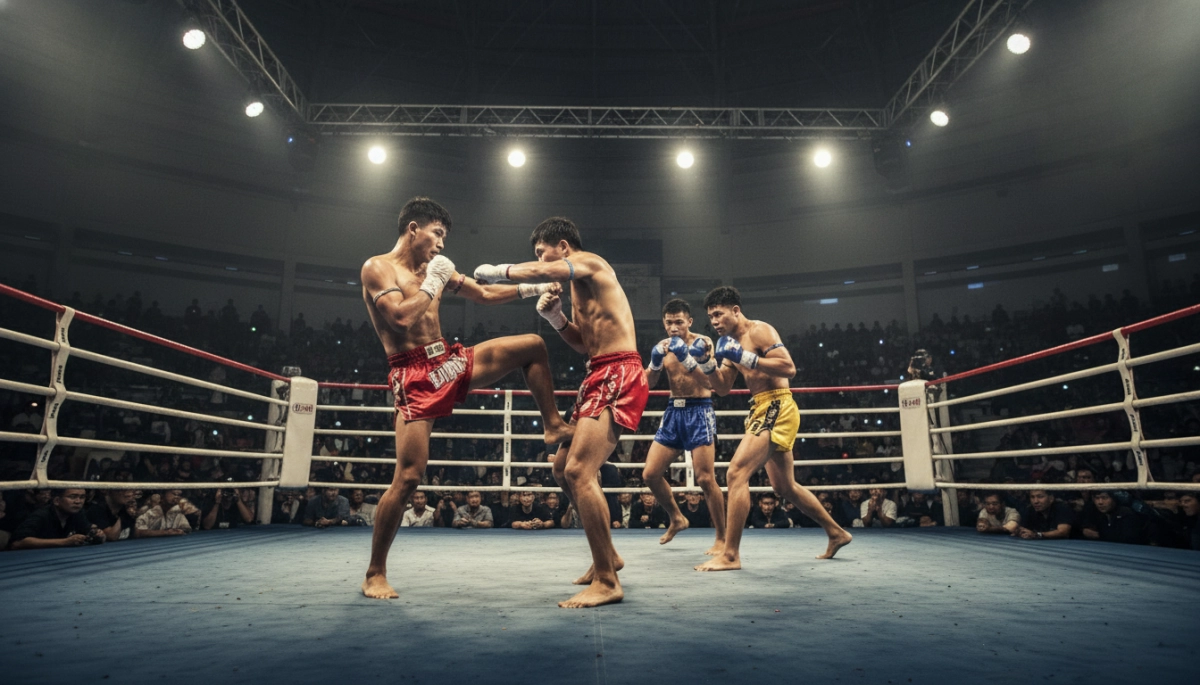
You can trace the features of Rodtang’s style to the volume and frequency of his early competition. Fighting regularly in young adulthood, he learned to close distance quickly, reset after clinches, and maintain a pace that wears opponents down. In those formative stadium matches, results mattered but so did conditioning — you’ll find many of his early wins came from outworking opponents rather than single flashy finishes.
- High-frequency bouts: Regular competition taught you how to pace rounds and accumulate damage without burning out.
- Situational learning: Facing a wide variety of opponents early on gave you exposure to different guard types, counters, and timing patterns.
- Adapting under pressure: Early stadium fights force quick tactical shifts — a hallmark of Rodtang’s later performances.
Gym culture and drills that develop finishing power
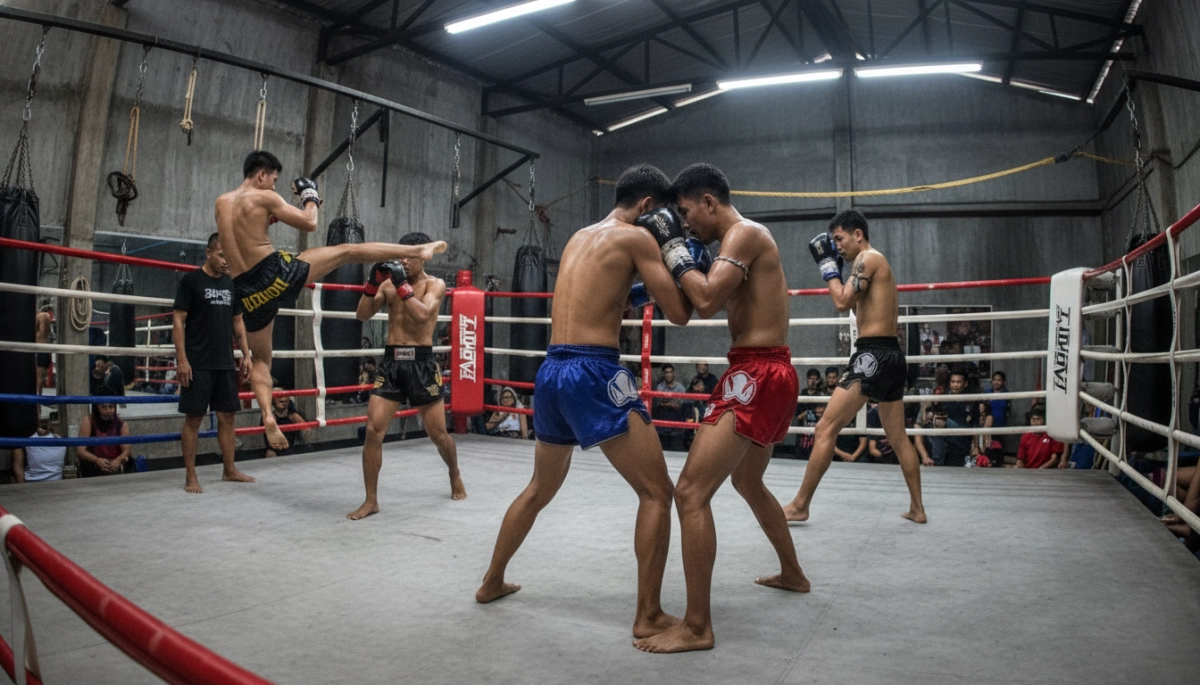
At Jitmuangnon gym, the training culture shapes fighters to be practical and fight-ready. If you look at Rodtang’s preparation, you’ll see a mix of traditional Muay Thai drills, high-volume pad work, and survival training designed to make his body and mind resilient. Coaches emphasize repetition and hard sparring, which helps you refine timing for knees, elbows, and the hooks that frequently decide close contests.
- Daily pad rounds focused on combinations and pressure sequences.
- Conditioning circuits that simulate late-round fatigue so you can keep striking effectively when opponents tire.
- Controlled sparring that builds confidence exchanging at close range — crucial for setting up knockouts.
By the end of these early phases, you can see the elements that produce Rodtang’s signature outcomes: an aggressive forward pace, conditioned power, and the mental durability to trade until an opponent breaks. In the next section, you’ll dive deeper into specific standout fights, notable knockout finishes, and how his tactical choices evolved on the international stage.
Standout fights and the mechanics behind his signature finishes
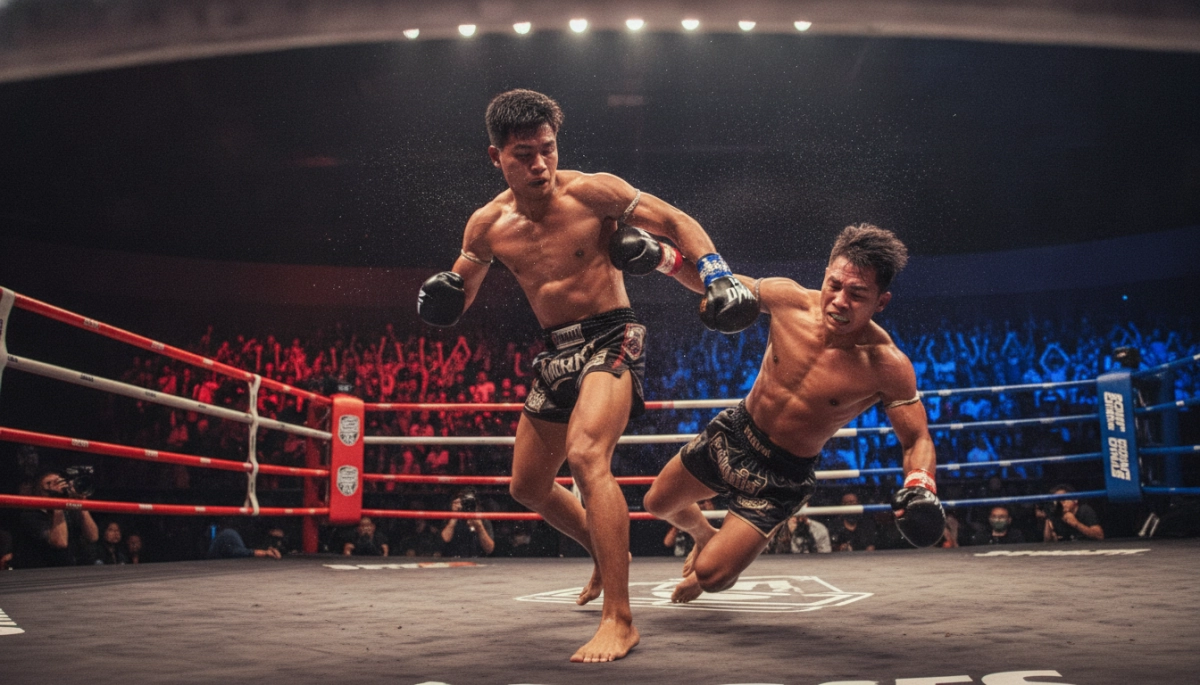
When you watch Rodtang’s most memorable contests, what jumps out isn’t a single highlight-reel move but a sequence: pressure, small-angle strikes, and a finishing blow that looks inevitable because everything earlier set it up. In stadium bouts and later on the international stage, his knockouts often come after several clear phases — entrance, accumulation, and collapse — and each phase reveals something technical.
Entrance: he uses footwork and feints to take the center and narrow angles, forcing opponents to either circle away or back into the clinch. At this point you’ll notice how he intentionally lets opponents throw simple counters; those counters teach him timing and open paths for uppercuts and hooks.
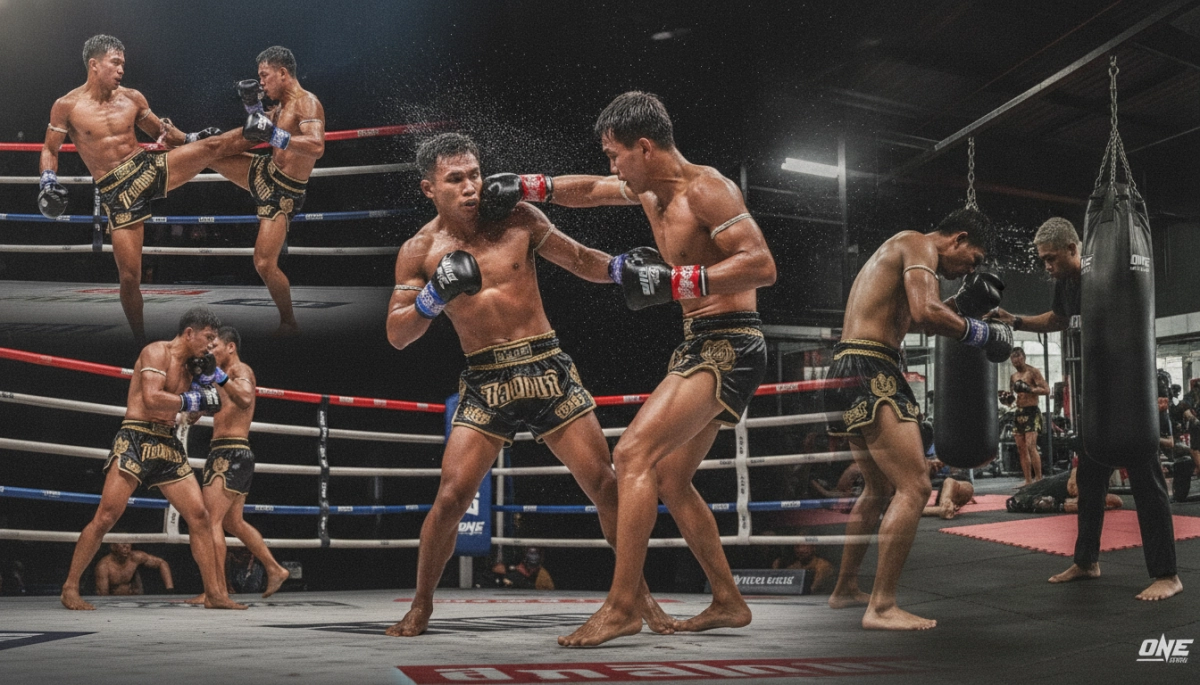
Accumulation: here’s where the early training shows. High-volume combinations — low kicks to the thigh, repeated jabs, and relentless teeps — don’t necessarily look fight-ending, but they sap base and precision. His conditioning lets him maintain output when others visibly drop theirs. You can trace many of his stoppages to this stage: a previously precise opponent becomes slower, their guard drops fractionally, and Rodtang’s muscle memory converts opportunity into a finishing strike.
Collapse: the final phase is often short. A clipped chin, a limp body shot or an elbow after a clinch — these are the mechanics more than a single “flash” technique. Importantly, many of his finishes are cumulative: a body kick in round three lands harder because of two earlier rounds of being leaned on, pressed, and made to carry weight awkwardly. From a technical standpoint, Rodtang’s knockouts are as much about placement and timing as raw power — and that’s why they feel brutal but inevitable.
Beyond mechanics, fight IQ plays a role. He’s excellent at reading when an opponent has reverted to an overly defensive guard or when a southpaw-to-orthodox shift opens the temple. You’ll see him capitalize quickly, sometimes with a single pivot and elbow exchange that closes the book. Those sequences reflect both drilled combinations and instinct honed from hundreds of rounds.
How international competition reshaped his tactics and training routines
Stepping onto the global stage pushed Rodtang to evolve while keeping his core identity. Fighting in international promotions exposed him to opponents who wouldn’t just absorb pressure — they met it with different rhythm, range management, and sometimes a more MMA-influenced clinch game. That forced practical adjustments in his camp.
On the technical side, you’ll see more variation in his setups. Where domestic stadium work emphasized linear pressure, international opponents required cut-off footwork and quicker lateral movement. In training, coaches introduced situational sparring that mimicked opponent-specific styles — counter-heavy Europeans, awkward southpaws, or clinch specialists — which sharpened his ability to switch gears mid-fight.
Conditioning also shifted. International bouts often come with different round structures and shorter intervals between events, so his conditioning became more explosive and anaerobic-focused without sacrificing his signature endurance. Pad sessions would intentionally alternate between high-output 30–60 second bursts and recovery drills to simulate the stop-start pace of televised matches where a single exchange can change public perception.
Finally, recovery and fight camp periodization became more scientific. Traveling, weight cuts, and media schedules meant that sleep, nutrition, and injury management were prioritized. You’ll notice these adaptations in later performances: the same relentless Rodtang mindset, but with sharper timing, slightly cleaner movement, and a tactical awareness forged by exposure to a broader pool of styles.
Legacy and next rounds
Rodtang Jitmuangnon’s journey is more than a string of knockouts; it’s a living example of how persistence, a clear training culture, and willingness to evolve keep a fighter relevant. As you watch his career continue, pay attention not just to the stoppages but to how he adapts between camps, the small refinements in timing, and the way younger fighters begin to mirror his approach to pressure fighting.
If you study his fights, look for lessons that apply beyond scoring a knockout: cumulative damage management, situational sparring that replicates match tempo, and recovery strategies that sustain performance across a long season. Those elements are the practical takeaways coaches and practitioners will carry forward into gyms around the world.
What to watch for next
- How his footwork and lateral movement continue to evolve against non-traditional Muay Thai opponents.
- The integration of recovery science and nutrition into fight camps and how that affects late-round power.
- Which aspects of his pressure-based training are adopted by the next generation of fighters.
For up-to-date fight listings, official updates, and event details, check Rodtang’s official profile on ONE Championship: Rodtang’s ONE Championship profile.
Recommended Posts