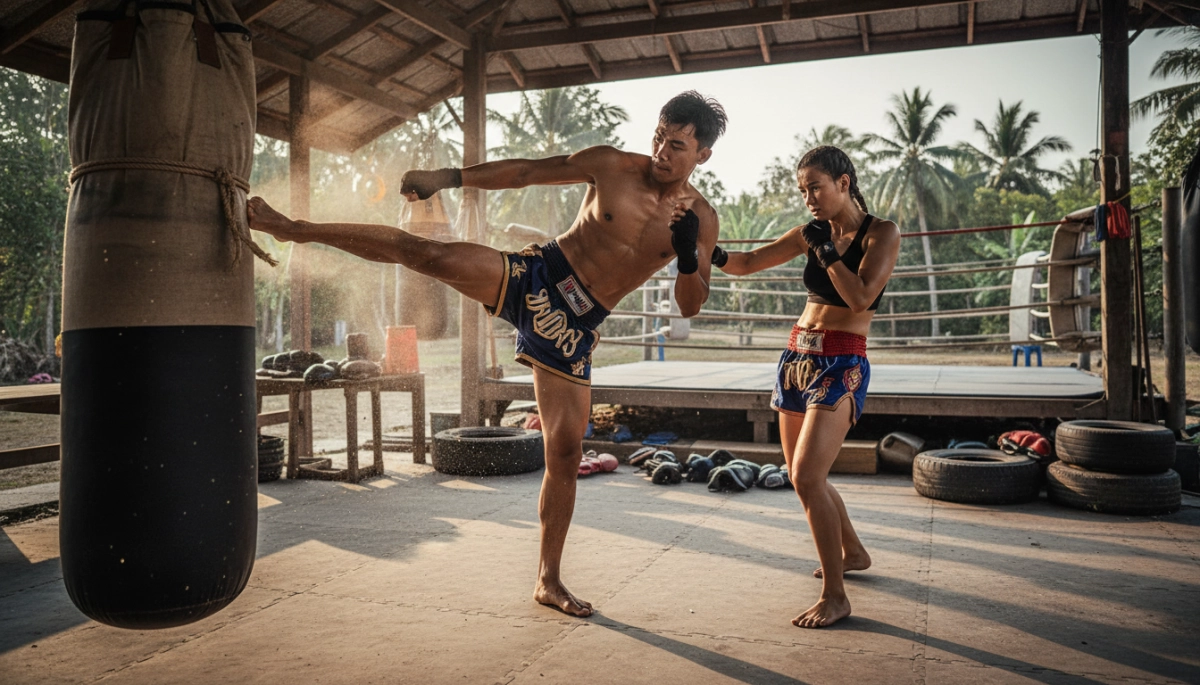

Before you step into the ring: what Muay Thai rules will shape your fight
Muay Thai is a striking art that mixes punches, kicks, elbows and knees with clinch work. As a fighter, you must accept that success depends as much on understanding rules and safety protocols as on conditioning and technique. Knowing the rule framework will protect you, help you pace your training, and ensure you compete fairly and confidently.
What governs a Muay Thai contest
Promotions and national commissions may vary small details, but most Muay Thai fights follow a common structure you need to internalize:
- Rounds and duration: Amateur bouts usually run 3 rounds of 2–3 minutes; professional fights commonly are 5 rounds of 3 minutes, with 1–2 minute breaks between rounds.
- Weight classes: Fighters are grouped by weight. You must make the contracted weight at official weigh-ins to be eligible to fight.
- Protective equipment: Amateurs often wear headgear and shin guards; professionals fight with approved gloves and mouthguards only. Always confirm equipment rules before fight day.
- Official oversight: A referee enforces in-ring conduct, while ringside judges score the match. Medical personnel must be present at sanctioned events.
What techniques are legal and which are fouls
Muay Thai is known as the “Art of Eight Limbs,” but not everything you can hit with is permitted in all contexts. Being precise about legal techniques reduces the risk of penalties or disqualification.
- Legal strikes: Punches, kicks, elbows, knees, and clinch-based knee strikes are allowed when executed within the rules of your bout.
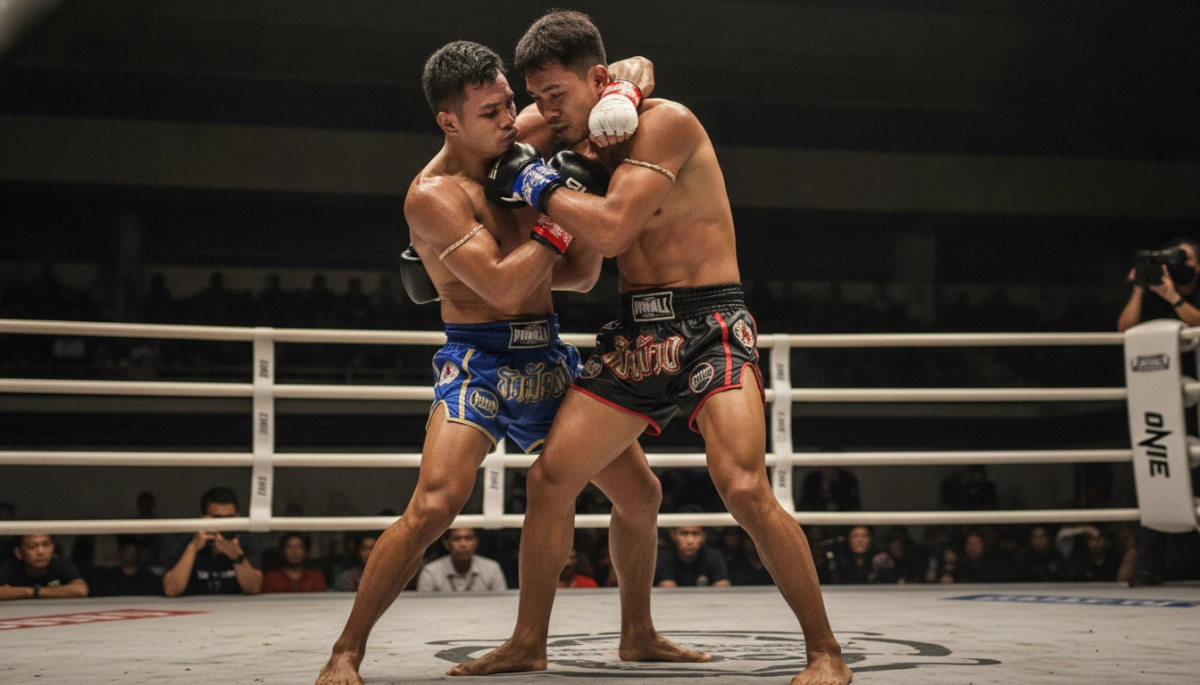
- Clinch work: Clinching is a scoring tool—secure position, off-balance your opponent, and land knees; excessive holding without offense can be broken up by the referee.
- Common fouls: Headbutts, groin strikes, striking the back of the head or spine, throwing an opponent (in many rulesets), strikes to a downed opponent, and biting are prohibited.
- Consequences: Referees may issue warnings, point deductions, or disqualification depending on intent and severity. Repeated fouls damage your reputation and career opportunities.
How fights are scored and how that affects your strategy
Understanding scoring will change how you approach each round. Judges evaluate based on effective striking, dominance in the clinch, ring generalship, and defense. You should fight to score — not just to look aggressive.
Next, you’ll learn in detail how judges allocate rounds, how knockdowns and clinch dominance influence decisions, and the key etiquette and gym customs that protect your standing as a respectful and marketable fighter.
How judges allocate rounds: what they’re actually looking for
Scoring in Muay Thai isn’t just “who hit more” — judges prioritize quality, not quantity. While exact systems vary (many international promotions use the 10-point-must system, and traditional Thai bouts can weight techniques and damage differently), the core criteria remain consistent: effective striking, dominance in the clinch, ring generalship and defense.
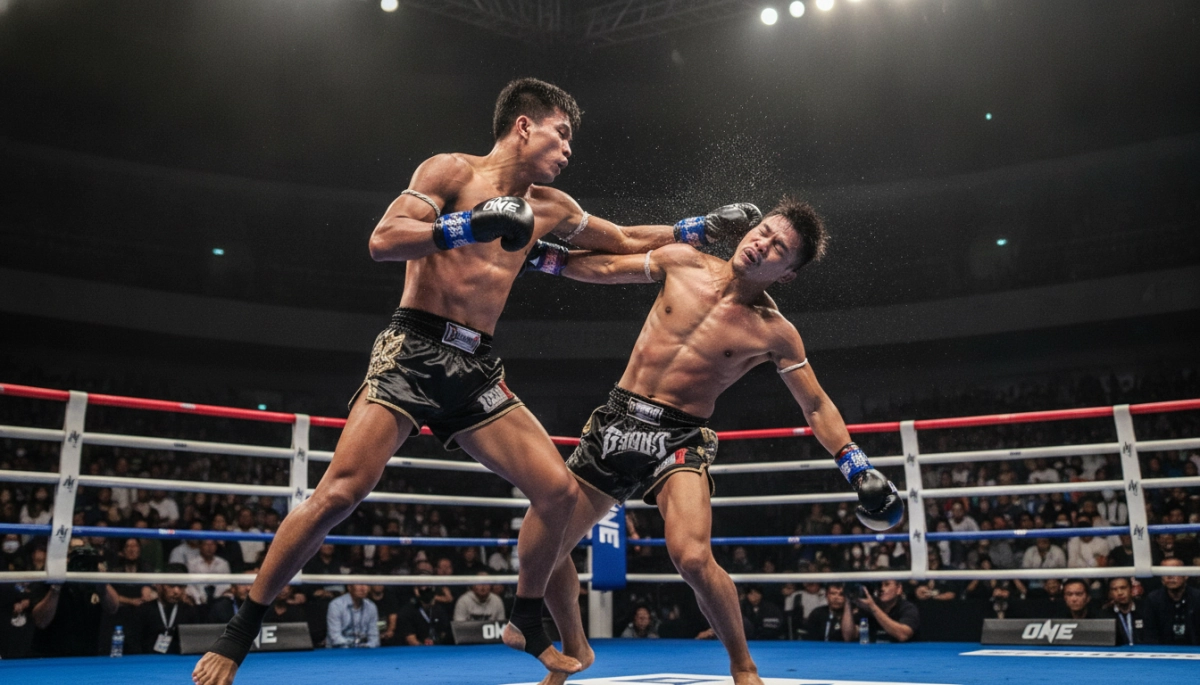
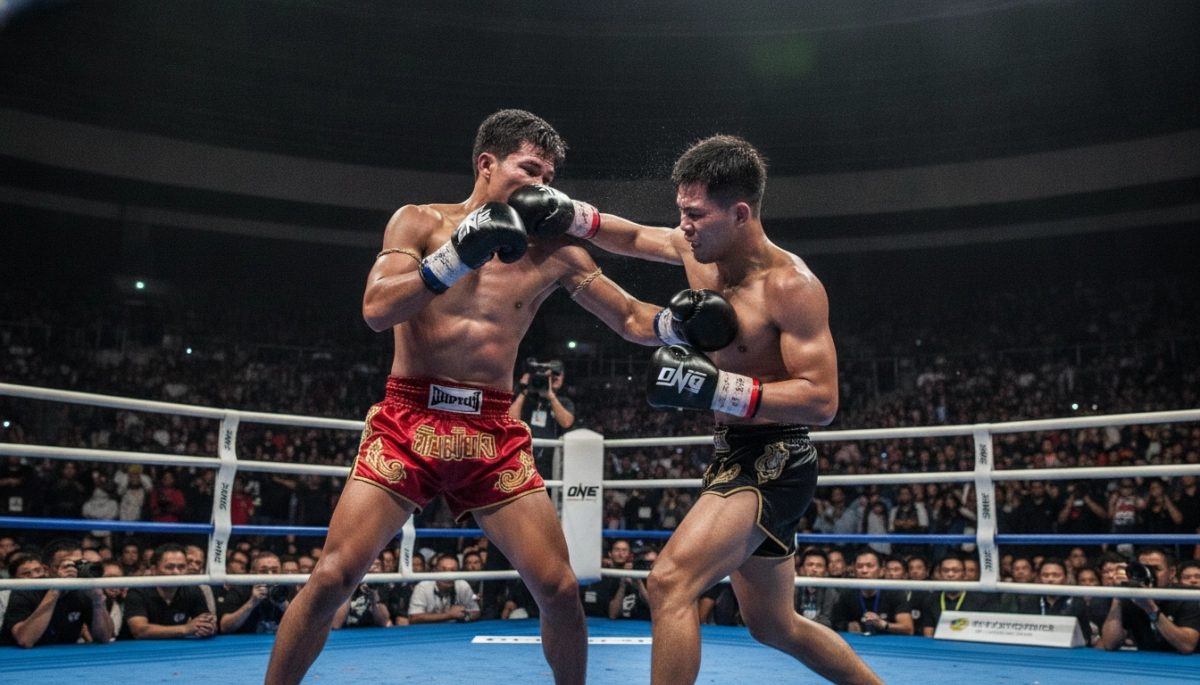
- Effective striking: Clean, powerful strikes that land and visibly affect your opponent carry the most weight. A perfectly timed body kick or a knee that staggers an opponent will usually score higher than a nonstop flurry of light punches that don’t change the fight.
- Clinch control: Judges reward active clinch work — controlling position, off-balancing and landing knees. Simply holding without offense or stalling will not earn credit and may be broken by the referee.
- Ring generalship and pace: Controlling the center of the ring, dictating distance and tempo, and forcing your opponent to fight on your terms are scoring factors.
- Defense and damage limitation: Avoiding significant strikes, showing good recovery and minimizing visible damage also contributes. Getting hit but not visibly affected can sway judges less than a few high-impact strikes.
Practical takeaway: prioritize clean, damaging techniques and demonstrate control. Judges remember clear moments of dominance more than long sequences of inconsequential activity.
Knockdowns, damage and clinch dominance: how they swing rounds (and how to fight to them)
Some moments have outsized influence on judges. A clean knockdown, sustained damage, or decisive clinch domination can turn an otherwise close round into a clear win.
- Knockdowns: A single, clean knockdown usually secures the round unless the opponent overwhelmingly dominates the rest of it. Multiple knockdowns or knockdowns that visibly hurt the opponent increase the likelihood of a 10–8 style score in systems that allow it.
- Visible damage: Cuts, swelling, and the opponent’s inability to mount offense carry weight. Even if you’re not knocking them down, landing techniques that clearly affect their mobility or guard matters.
- Clinch bursts: Short, aggressive clinch sequences that demonstrate control and land knees score better than passive holding. Fight to show effect: off-balance, land a knee or two, then reset if the referee breaks it.
Strategy pointers: open rounds with high-value techniques (body kicks, knees, elbows when legal) to make a strong early impression; use clinch offensively rather than defensively; and when you do stagger or drop an opponent, follow up visibly to ensure judges register the damage. Avoid relying on volume alone — make your strikes count.
Muay Thai etiquette and gym customs every fighter should live by
Respect is central to Muay Thai culture. Observing gym and ring etiquette protects your reputation, builds relationships, and often influences opportunities in a tight-knit community.
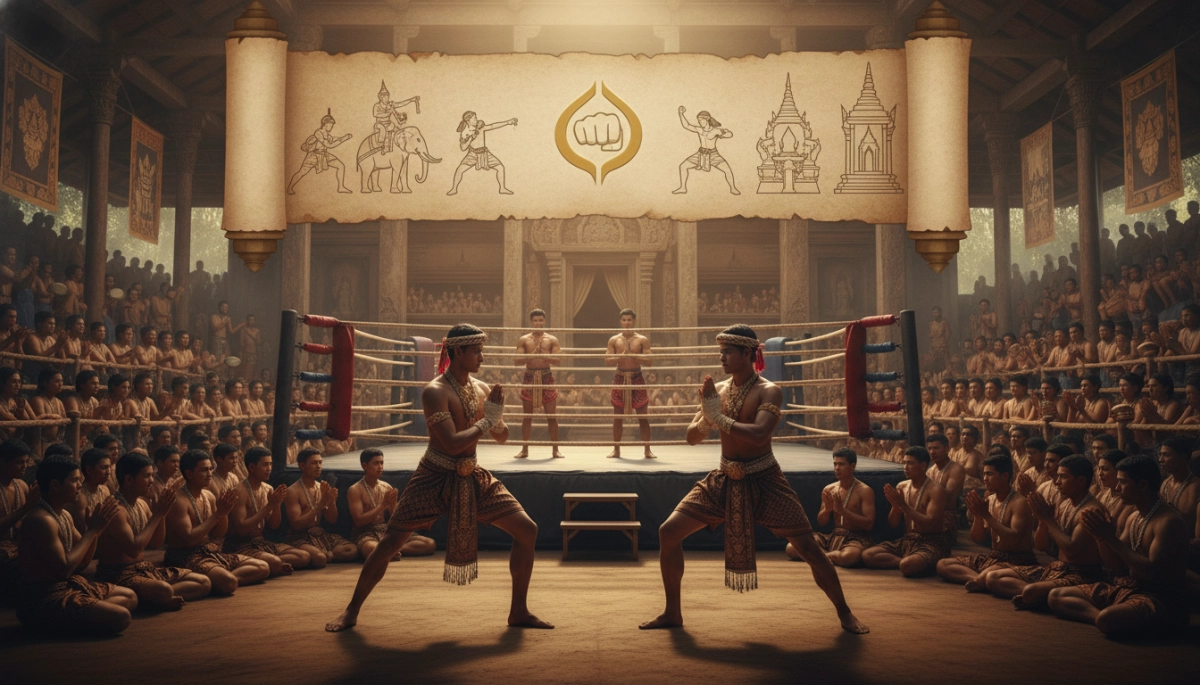
- The Wai Kru and pre-fight ritual: Learn and perform the Wai Kru Ram Muay appropriately for your gym or promotion. It’s a sign of respect to your trainers, family of the sport, and the venue.
- Respect your coaches and elders: Arrive on time, follow instructions, keep gear and the gym clean, and don’t challenge instructors publicly. Ask before filming or posting images of others.
- In-fight and post-fight conduct: Never argue with the referee; accept decisions with composure. Touch gloves or Wai after the bell when appropriate, and thank your opponent and corner after the bout.
- Gym hierarchy and humility: Work hard, be coachable, and don’t flaunt wins or belittle training partners. Newcomers should show deference to senior fighters and trainers.
Adhering to rules and etiquette isn’t just tradition — it smooths your path as a competitive fighter. In Part 3 we’ll cover how to prepare mentally and physically on fight week, and how to handle weigh-ins and post-fight medicals.
Final steps and mindset for fight night
Before you walk through the ropes, focus on clear, practical actions: confirm the specific ruleset with your promoter, double-check approved equipment, and trust the game plan your team has drilled. Keep your mind steady — visualization, controlled breathing, and brief technical reps will sharpen focus without draining energy. Remember that showing respect inside and outside the ring amplifies your professional reputation as much as a win does. For official governance and rule references, consult the International Federation of Muaythai Associations: IFMA rules and resources.
Key Takeaways
- Master the rules and safety protocols for your division and promotion to protect your health and career.
- Score-focused strategy—clean, damaging strikes and active clinch control—wins rounds more reliably than volume alone.
- Cultivate respect and gym etiquette; professionalism opens opportunities and preserves the sport’s culture.
Recommended Posts