How Muay Thai became a living tradition you can trace through history
You’ll find Muay Thai at the intersection of combat necessity, cultural expression, and national identity. As you explore its history, you’ll see how a practical system of striking and clinch work developed into a codified sport and a ceremonial practice. Understanding the early stages of Muay Thai helps you appreciate why rituals, techniques, and rules carry deep meaning for fighters and spectators alike.
The roots of Muay Thai in regional warfare and village life
Muay Thai’s origins stretch back several centuries across what is now Thailand and neighboring regions. In times when armor and firearms were limited, unarmed combat mattered. You should picture villagers and soldiers relying on punches, kicks, elbows, and knees during skirmishes and military campaigns. Those battlefield techniques gradually formalized into systems taught to new recruits and passed down within communities.
Key developments in the early era included:
- Practical battlefield use: Techniques emphasized mobility, strikes from close range, and the clinch for controlling opponents—skills directly useful in combat.
- Regional adaptations: Local masters blended indigenous methods with influences from neighboring martial traditions, creating distinct styles that later converged.
- Muay Boran (ancient boxing): Before modern rules, Muay Boran preserved techniques that were too dangerous for sport but essential for understanding the art’s lineage.
As centralized kingdoms emerged, rulers sometimes sponsored fighters to train in palace schools, and military drills helped standardize certain maneuvers. The transition from functional fighting to organized competition happened gradually and was driven by both practical and ceremonial needs.
Early rituals, training methods, and the emergence of the ring
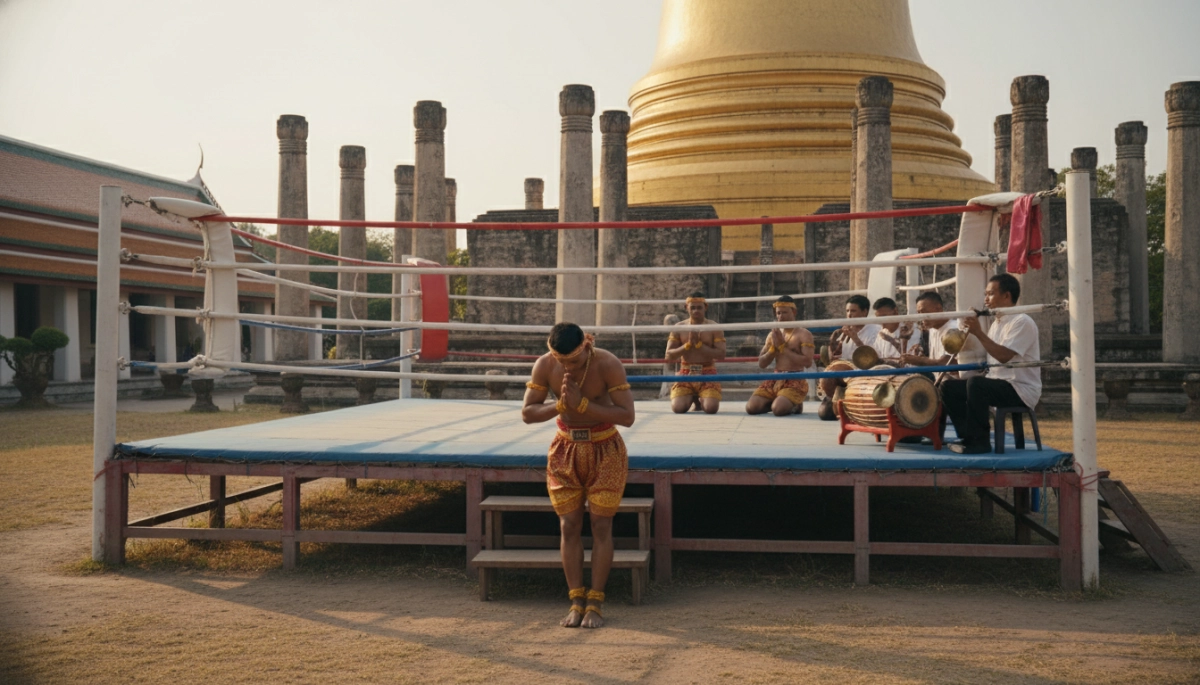
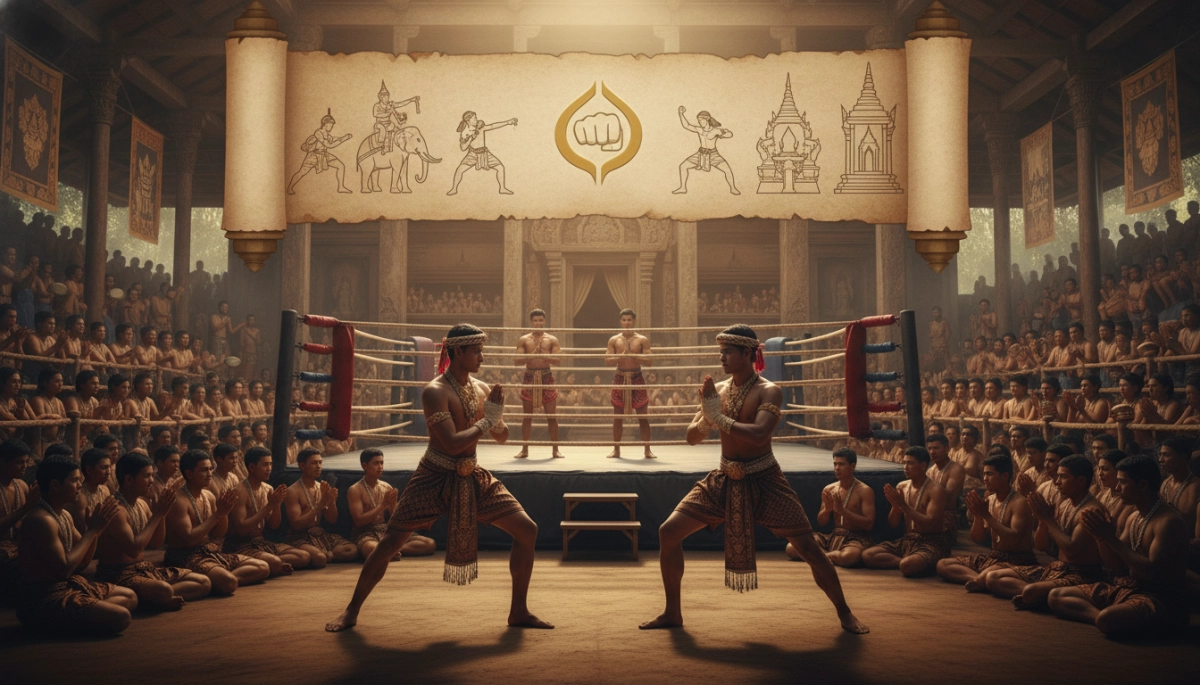
From the beginning, Muay Thai carried a ritual dimension. You’ll notice that many practices you see today—ceremonial dances, symbolic headgear, and pre-fight offerings—have roots in early religious and community customs. Rituals served multiple roles: they honored teachers and ancestors, prepared fighters mentally, and reinforced social bonds.
Important early traditions include:
- Wai Khru and Ram Muay: The pre-fight ritual and dance that let fighters pay respect to their trainers and to the spirits. This ritual helped you understand a fighter’s lineage and style.
- Mongkon and Pra Jiad: The headband and armbands worn for protection and identity. These items often carried talismans or were blessed by monks, reflecting the blend of spirituality and combat.
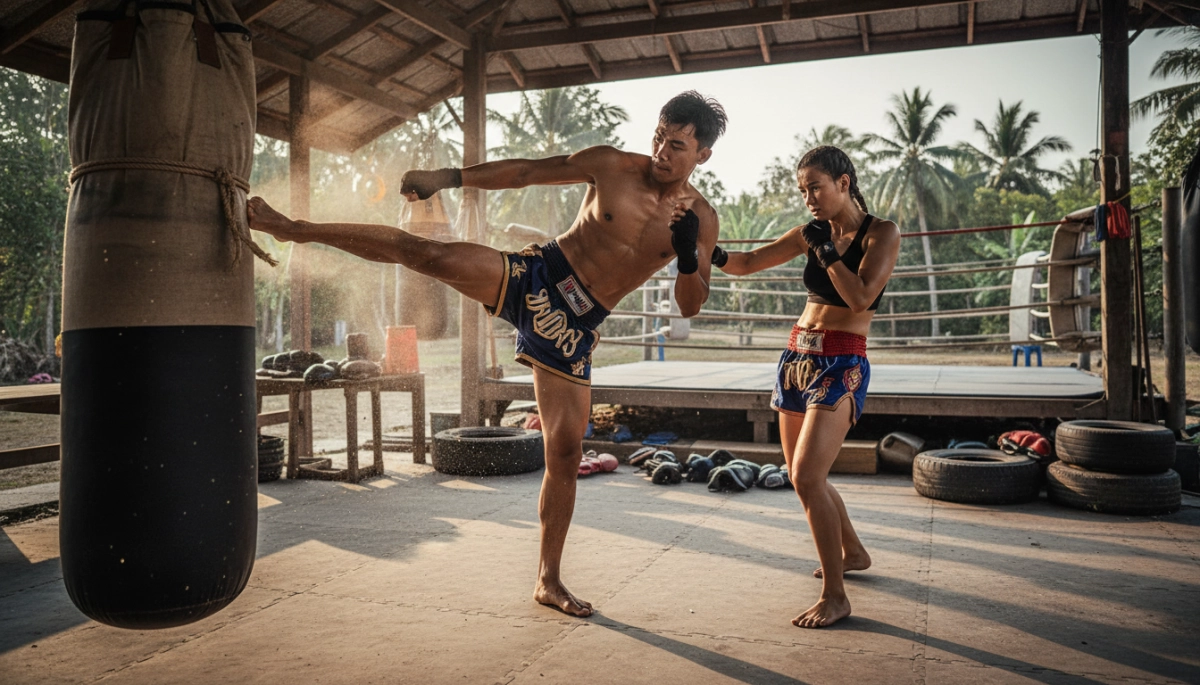
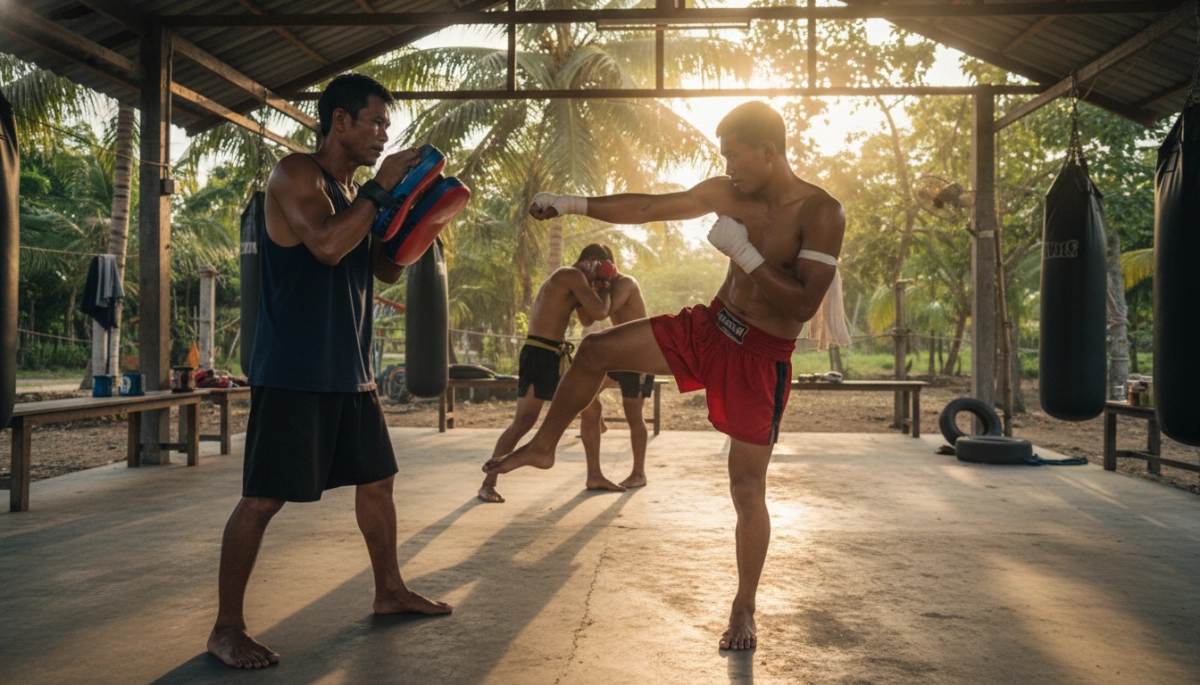
- Training regimens: Early training focused on conditioning, repetitive striking drills, and partner work that replicated battlefield scenarios rather than point-scoring sport techniques.
As contests moved from village squares and military displays into formalized rings, rules began to limit certain techniques and emphasize safety. That shift made Muay Thai more spectator-friendly and paved the way for organized tournaments in provincial and royal courts.
With this foundation of battlefield origins, rituals, and early regulation in place, the story now moves to the fighters and milestones that transformed Muay Thai into the modern sport you recognize today.
Legends whose names shaped techniques and myth
The history of Muay Thai is best told through the fighters who embodied its techniques and carried its stories into new generations. Some names became touchstones not just for victories, but for innovations in style and for the narratives they inspired.
– Nai Khanom Tom: The semi-legendary prisoner-warrior often credited in Thai lore with an early symbolic victory over Burmese opponents. Whether myth or fact, his tale became a foundation for Muay Thai’s national identity — a story of skill, honor, and resilience that fighters still invoke.
– Apidej Sit Hrirachai: Renowned for one of the most feared weapons in Muay Thai — the body kick — Apidej’s power and precision set standards for striking mechanics and inspired trainers to emphasize kick conditioning and timing.
– Samart Payakaroon: A technician and showman, Samart fused classical Muay Thai with ringcraft and footwork that translated successfully into western boxing. His fluid movement and counter-striking redefined what a complete, adaptable fighter could be.
– Dieselnoi Chor Thanasukarn: Dominant in the clinch with devastating knees, Dieselnoi’s reign showcased the clinch as an offensive art rather than merely a defensive tactic. His approach influenced generations to prioritize conditioning and close-range dominance.
– Saenchai and Buakaw (modern era): Saenchai’s creativity — unorthodox angles, feints, and a playful, almost artistic approach — broadened how fighters express style inside the ring. Buakaw’s athleticism and success in international kickboxing circuits helped cement Muay Thai’s global appeal and showed Bangkok-trained fighters could headline worldwide events.
Each of these figures contributed to technical evolutions and to the cultural cachet of Muay Thai. Their fights became study material, their training methods were copied across camps, and their personas made the sport compelling beyond Thailand’s borders.
Stadiums, promoters, and the golden eras that defined Muay Thai
Institutions shaped Muay Thai as much as individuals. Stadiums in Bangkok became crucibles where style, money, and reputation concentrated. Rajadamnern and Lumpinee emerged as the pinnacles of competition — rings where a fighter’s status could be made or broken. The atmosphere in those arenas, amplified by close-up seating, live announcers, and fervent supporters, turned important matchups into national events.
The late 20th century is often called Muay Thai’s “golden era.” During that period, talent density was incredibly high: fighters competed frequently, rivalries developed, and tactical diversity flourished. Promoters and television broadcasts broadened spectatorship, while gyms professionalized training and management. This era cemented many of the scoring conventions, matchmaking practices, and weight-class rivalries that persist today.
Global milestones: rules, organizations, and international growth
Modern Muay Thai’s spread beyond Thailand is one of the sport’s most consequential chapters. Standardization of gloves, weight divisions, and safety rules made international competition more consistent. Amateur and professional organizations emerged to govern events, create ranking systems, and organize world championships.
Exchanges with other striking sports — through promotions like K-1, international kickboxing, and crossover bouts — introduced Muay Thai techniques to a wider combat-sport audience. Meanwhile, the growth of gyms worldwide, Thai trainers exporting curricula, and Thai champions fighting abroad transformed Muay Thai from a national pastime into a global practice. Recognition by international multi-sport events and the rise of IFMA-style amateur tournaments have further legitimized Muay Thai on the world stage, while modern promotions have delivered a new generation of stars who carry both the technical legacy and the cultural traditions of the art into the future.
Continuing the Tradition
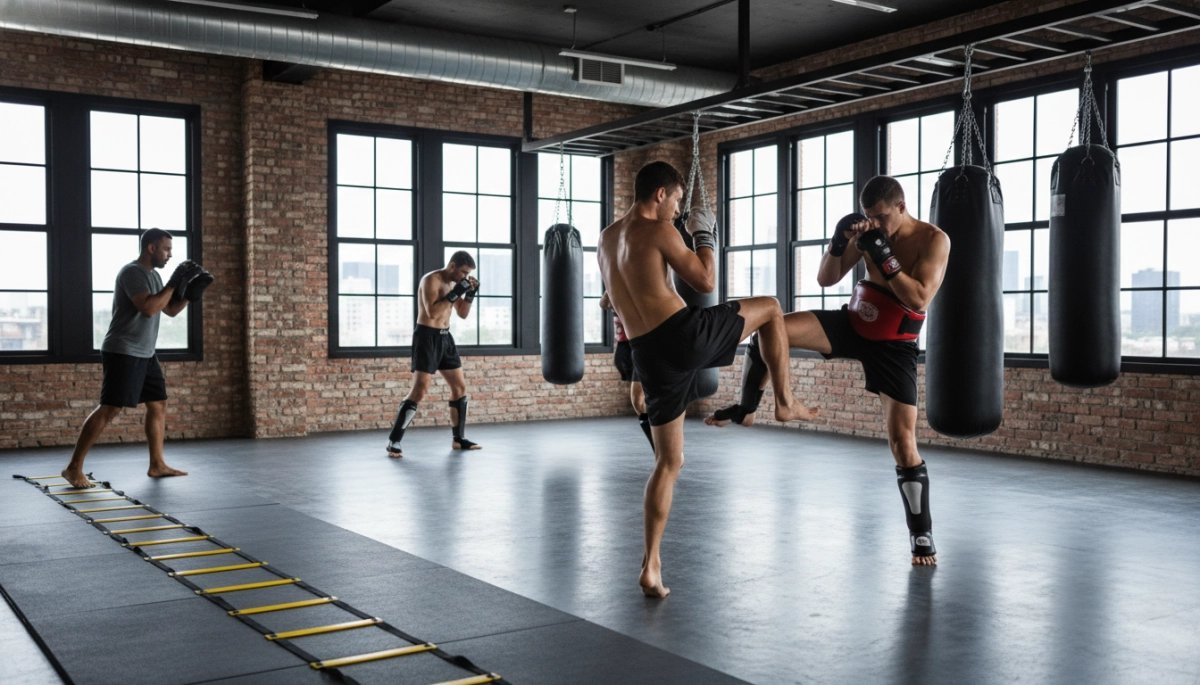
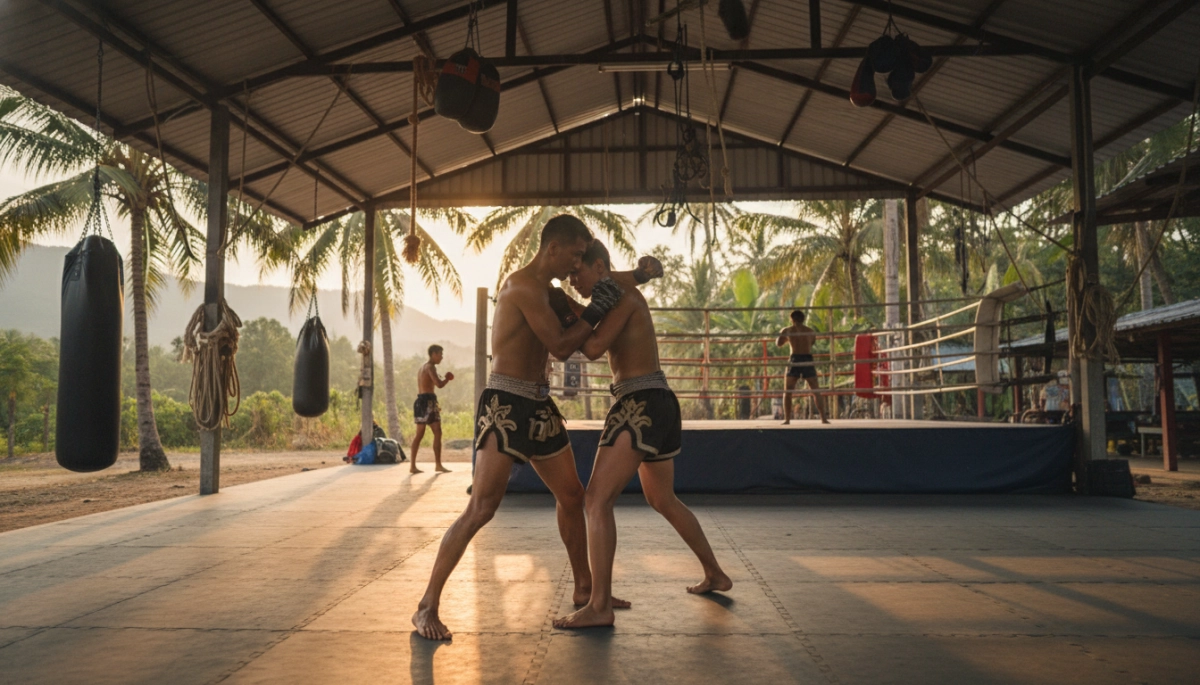
Muay Thai remains a living, adaptive tradition: its rituals endure, its techniques evolve, and its community stretches from small village gyms to international arenas. Whether practiced as a cultural art, a competitive sport, or a fitness discipline, Muay Thai invites participants to engage with history while shaping what comes next. For resources on global governance and amateur pathways that connect local camps to the broader sport, see the International Federation of Muaythai Associations (IFMA).
Key Takeaways
- Muay Thai blends battlefield-born techniques with deep ritual and cultural meaning, reflected in traditions like the Wai Khru and Mongkon.
- Legendary fighters and major stadiums shaped technical developments and popularized the sport during Muay Thai’s golden eras.
- Standardization, international competitions, and global gym networks have transformed Muay Thai into a worldwide practice while preserving its heritage.
Recommended Posts