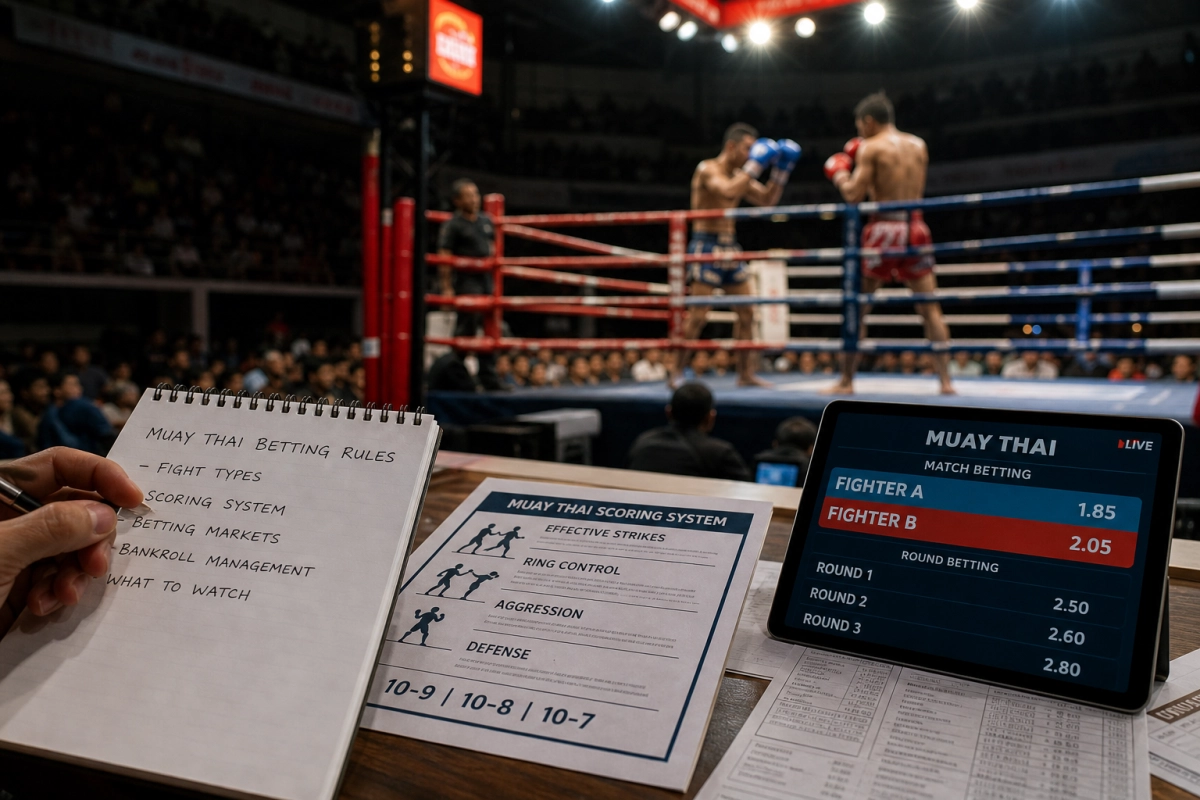
Muay Thai betting rules — what beginners need to know before placing a bet
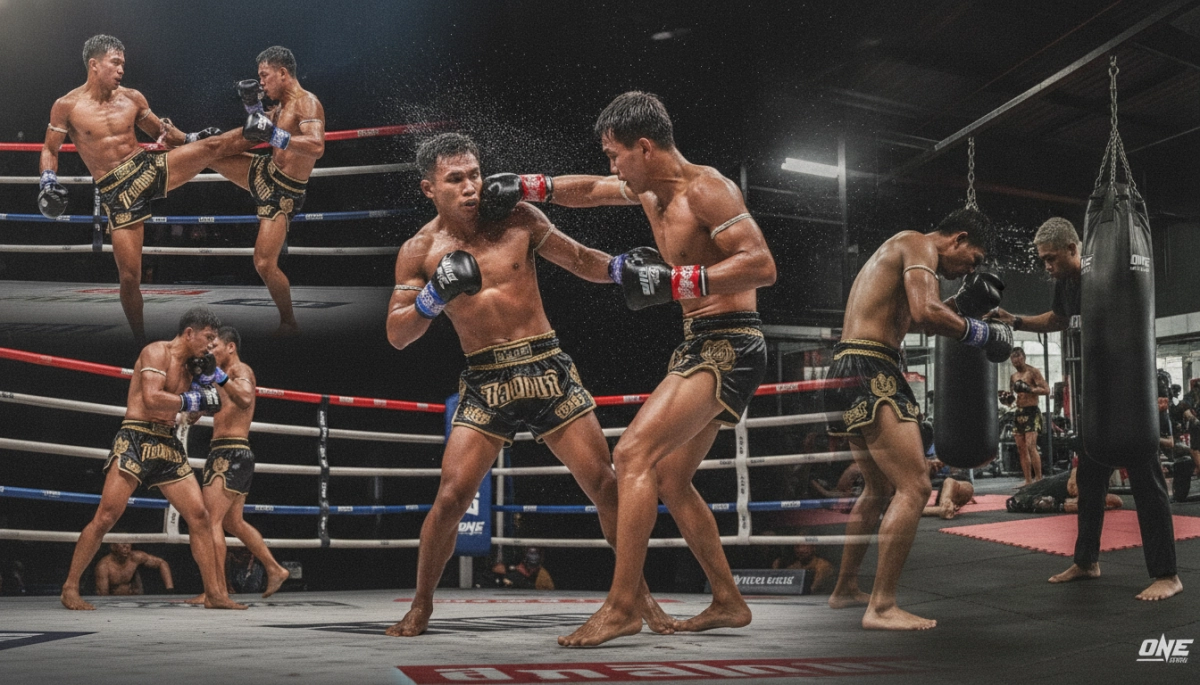
This guide explains Muay Thai betting rules in plain language for beginners and fans who want to understand how official fight rules, scoring, fouls, and outcomes affect betting markets. Muay Thai — the “art of eight limbs” (punches, kicks, knees, and elbows) — features techniques such as the teep, the clinch, and roundhouse kicks, plus cultural rituals like the wai kru and ram muay. Knowing how officials score fights and what is illegal helps bettors evaluate matchups more accurately.
How official Muay Thai fights are structured and run
Knowing the fight format helps bettors judge stamina, experience, and likelihood of stoppages. Professional Muay Thai commonly uses five 3-minute rounds with 2-minute rests; amateur and some international shows may use three rounds of two or three minutes.
- Typical pro structure: 5 x 3:00 rounds; many promotions use a 10-point must system similar to boxing.
- Equipment and rules: Gloves and shorts are standard; shin guards, headgear, or elbow legality vary by promotion—check rules before betting.
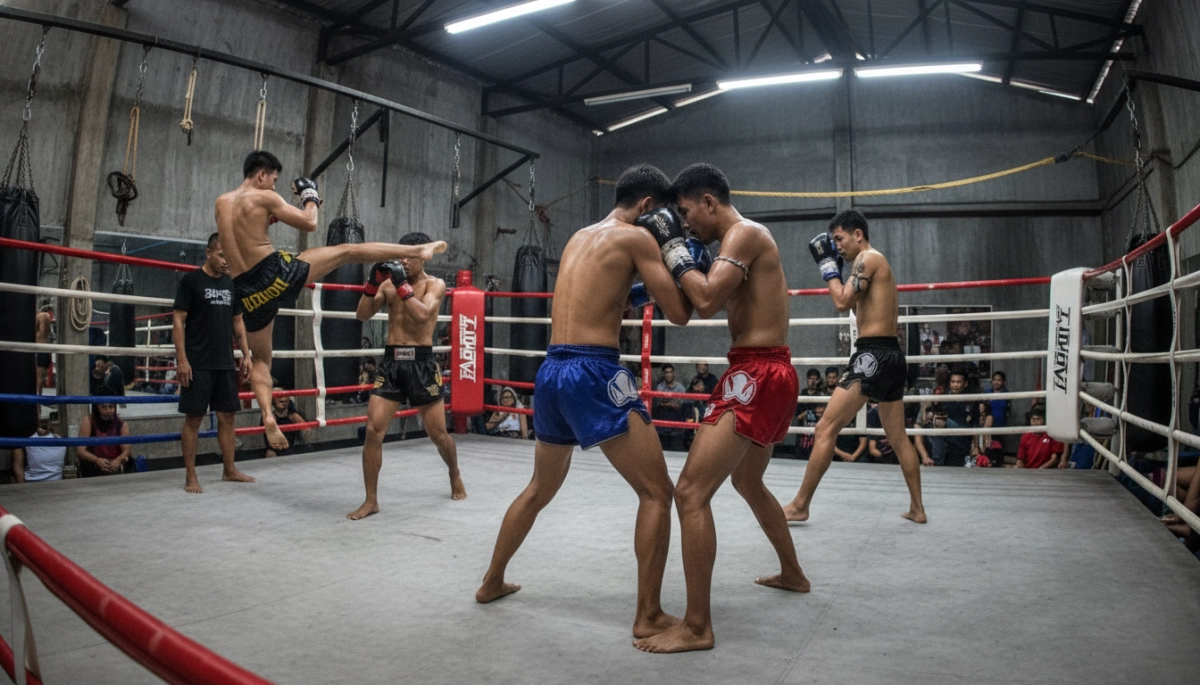
- Officials: A referee enforces in-ring rules, three judges score rounds, and ringside doctors can stop fights for cuts or injury.
Key in-ring rules that commonly affect outcomes
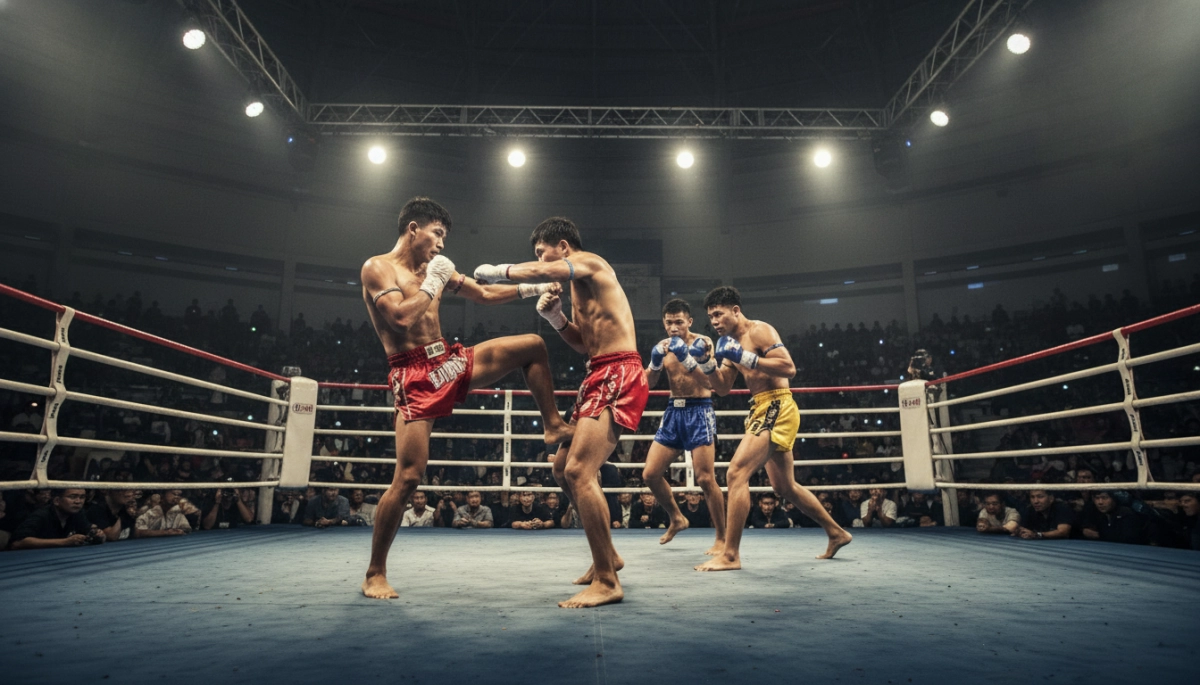
Core rules shape fight style and betting lines. Elbows and knees are usually legal in pro Muay Thai; clinch fighting is central; throws that mimic grappling are often limited. Understanding the event’s rule set helps predict whether a bout favors a kicker, clincher, or brawler.
Scoring criteria: what judges look for and how it shapes betting decisions
Muay Thai scoring emphasizes effectiveness and damage over volume. Judges reward strikes that visibly affect an opponent, successful clinch work and knees, clean kicks, and control of the fight’s pace.
- Effective damage and clean techniques — well-timed roundhouse kicks, teeps that control distance, and knees from the clinch.
- Ring generalship and defense — who controls range, counters, and checks kicks effectively.
- Throws, sweeps, and clinch dominance — these often score more than light punching flurries.
Practical example for bettors
A technical kicker who lands heavy roundhouses will usually win rounds over a fighter who throws many weak punches. A clinch specialist can claim rounds by landing knees and controlling posture even without flashy combinations. Those tendencies influence moneyline and method markets.
Common fouls and how they affect fights and bets
Fouls can change results or scorecards and directly impact bets. While rules differ by promotion, common fouls include strikes to the groin, back of the head, throat, or eyes; headbutts; biting; striking a downed opponent; and illegal throws. Referees typically warn, then deduct points, and may disqualify for severe or repeated infractions.
- Point deductions can flip close decisions and void many prop outcomes.
- An accidental foul that stops a fight may result in a no contest or technical decision depending on rounds completed — sportsbooks vary on payout rules.
- Fighters known for borderline tactics carry extra risk in “fight goes the distance” and method-of-victory markets.
Fight outcomes defined (KO, TKO, decision, draw, and technical results)
Knowing official outcomes helps choose suitable markets.
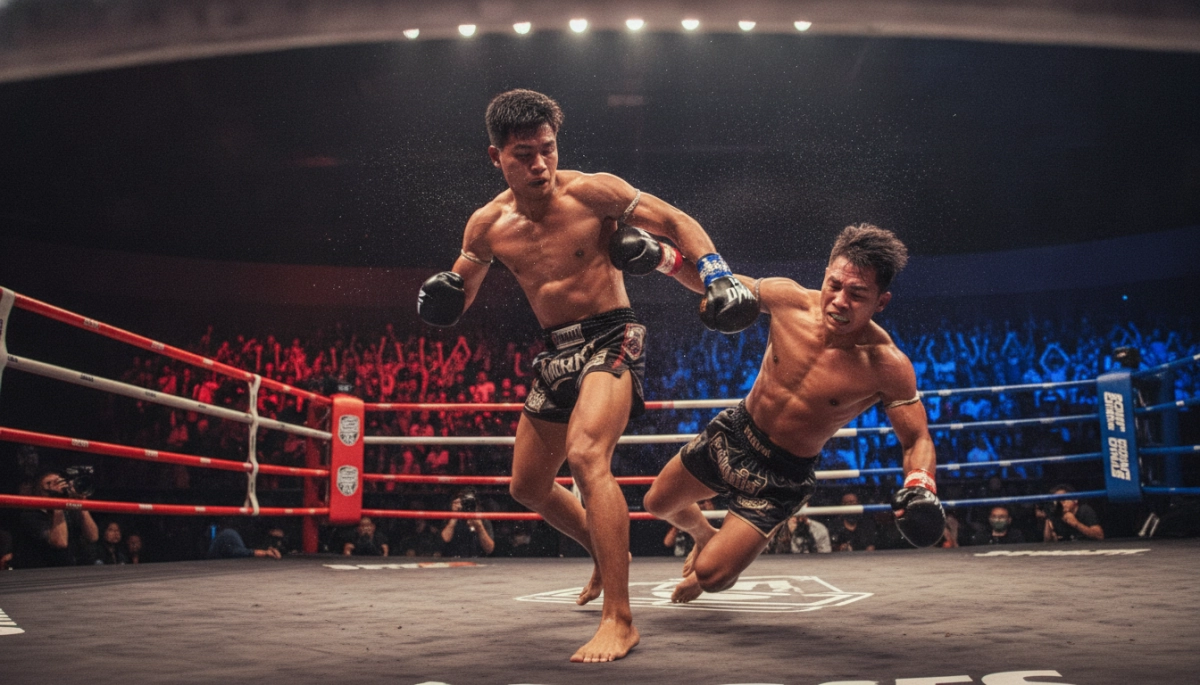
- KO — a fighter cannot rise or continue within the referee’s count; common in method and round bets.
- TKO — referee, doctor, or corner stops the bout for safety (often grouped with KOs in markets).
- Decision — judges score the fight; can be unanimous, split, or majority.
- Draw — judges score even; rare but offered in markets with long odds.
- No Contest / Technical Decision — accidental foul stoppages before/after a threshold lead to voids or judges’ scorecards being used.
Betting implications:
- Moneyline: influenced by finishing rates and durability; heavy hitters may be attractive for KOs but vulnerable on the moneyline if gas is an issue.
- Method-of-victory: study knockout percentages, clinch finishes, and susceptibility to cuts.
- Rounds/props: early-finishing fighters favor under totals or specific early-round KOs; technical matchups favor decision or “fight goes the distance.”
Weigh-ins, weight misses, event logistics, and market effects
Weigh-ins and logistics create tangible betting risk. Fighters usually weigh in the day before; some promotions add same-day checks or hydration tests.
- Missed weight — bouts may proceed at catchweight with fines, or be canceled. A weight-misser may have size advantage but could signal camp problems; sportsbooks handle bets per policy.
- Cancellations and late replacements — injuries or regulatory pulls can scrap or change fights; lines reset and many bets may be voided.
- Round format differences — three- vs five-round fights alter finishing likelihoods and over/under totals.
Always confirm the promotion’s rule set and weigh-in results before locking wagers. Live and prop markets are especially sensitive to last-minute updates.
How rules and fight factors influence common betting markets
Translate matchup intel into market choices by focusing on style, rules, and recent form.
Moneyline (who wins)
- Style matchup: clinch-heavy fighters often win rounds and moneyline bets against one-dimensional kickers.
- Finishing rate and durability: high KO/TKO rates shorten stoppage odds; durability affects moneyline value.
- Weight issues and replacements: missed weight or short-notice opponents usually favor the better-prepared camp.
- Recent activity: long layoffs typically lengthen odds for the inactive fighter.
Rounds and over/under
- Fight length: five-round fights reduce early-KO probability and favor decisions.
- Pacing and cardio: high-volume fighters push over totals; heavy hitters often lead to unders if they score early stoppages.
- Clinching: clinch-dominant contests often trend toward decisions, lowering finishing props.
Method-of-victory (KO/TKO, decision, draw)
- Rule differences: elbow legality increases cut-related stoppages and changes method probabilities.
- Cut history: fighters susceptible to cuts are likelier to lose by TKO (doctor stoppage).
- Style: aggressors trend to KO/TKO; technical counters and point fighters trend to decisions.
Prop bets (first-round finish, exact round, knockdowns, totals)
- First-round props: favor fighters with early aggression and proven early finishes.
- Exact-round/KD: use historical round patterns and start/finish tendencies.
- Strike/knockdown totals: clinch-heavy fights may show fewer visible strikes; confirm what the prop counts.
Sportsbook rules that commonly affect payouts
- No contest/cancellation: many books void bets or push stakes if a bout is canceled — check policies before large wagers.
- Accidental fouls: sportsbooks differ; some refund if minimum rounds aren’t met, others apply technical decision rules.
- Official results and appeals: betting outcomes follow the commission’s official result; overturned decisions are handled per sportsbook rules.
Before you bet: quick pre-bout checklist
- Confirm the promotion’s rule set (rounds, elbow legality, pro vs amateur).
- Check weigh-in results and any weight-miss announcements.
- Monitor for scratches, replacements, or medical pulls up to fight time.
- Watch recent full fights for style contrast (clincher, kicker, brawler, counter).
- Note judges and referee tendencies; set bankroll and stake size before viewing odds.
Putting it together: responsible next steps for new Muay Thai bettors
Muay Thai betting rewards careful observation of style, rules, and matchup context more than blind reliance on names or hype. Start small: use low-stakes bets to learn how rule sets and fight dynamics actually play out against marketplace expectations. Watch full fights — not just highlights — to see clinch sequences, how fights are scored, and which techniques cause damage or sway rounds.
Keep a simple record of your bets and why you made them (rule differences, weigh-ins, stylistic edge). Over time you’ll see patterns in how different factors impact specific markets and which promotions follow which rules. Above all, bet within limits, prioritize entertainment and learning, and treat each wager as an experiment toward becoming a more informed Muay Thai bettor.
Recommended Posts