Advanced Muay Thai combos: why chain the teep, roundhouse, elbow and knee
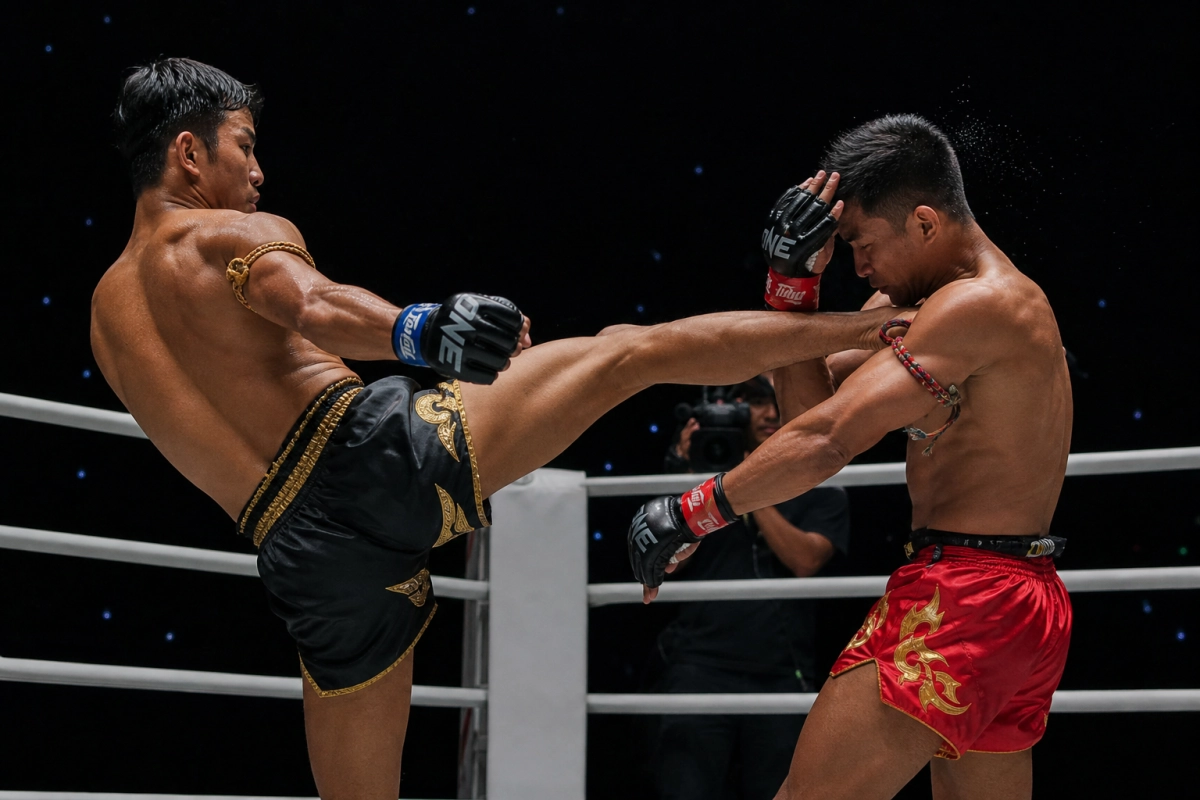
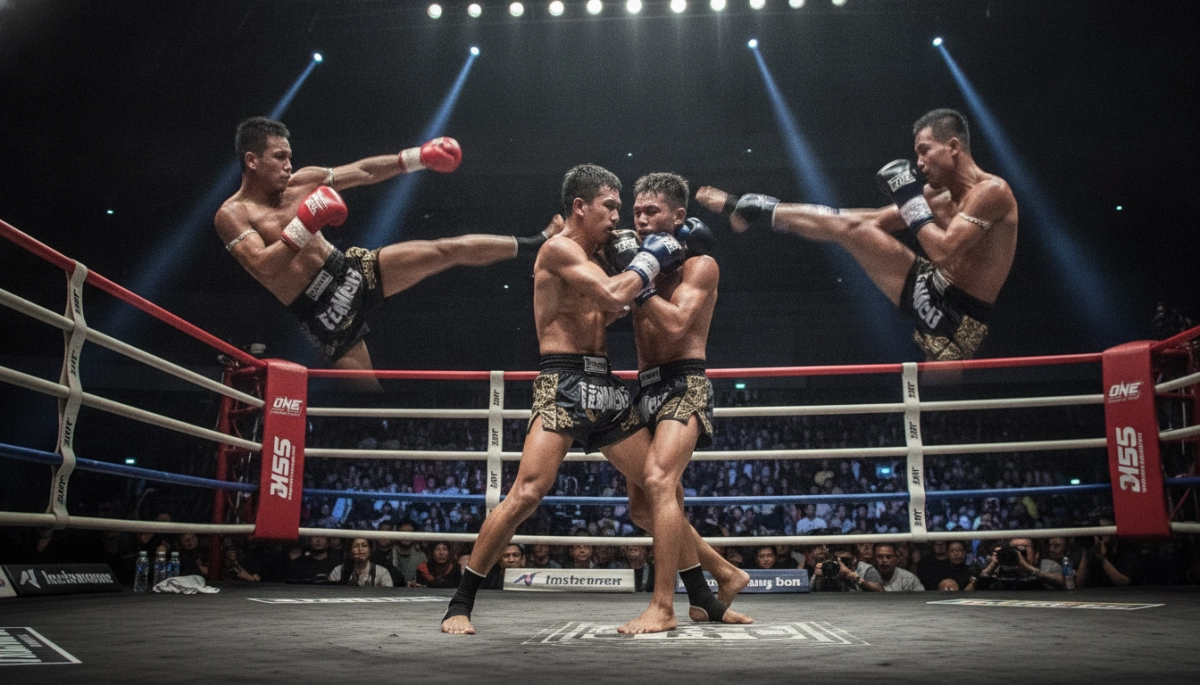
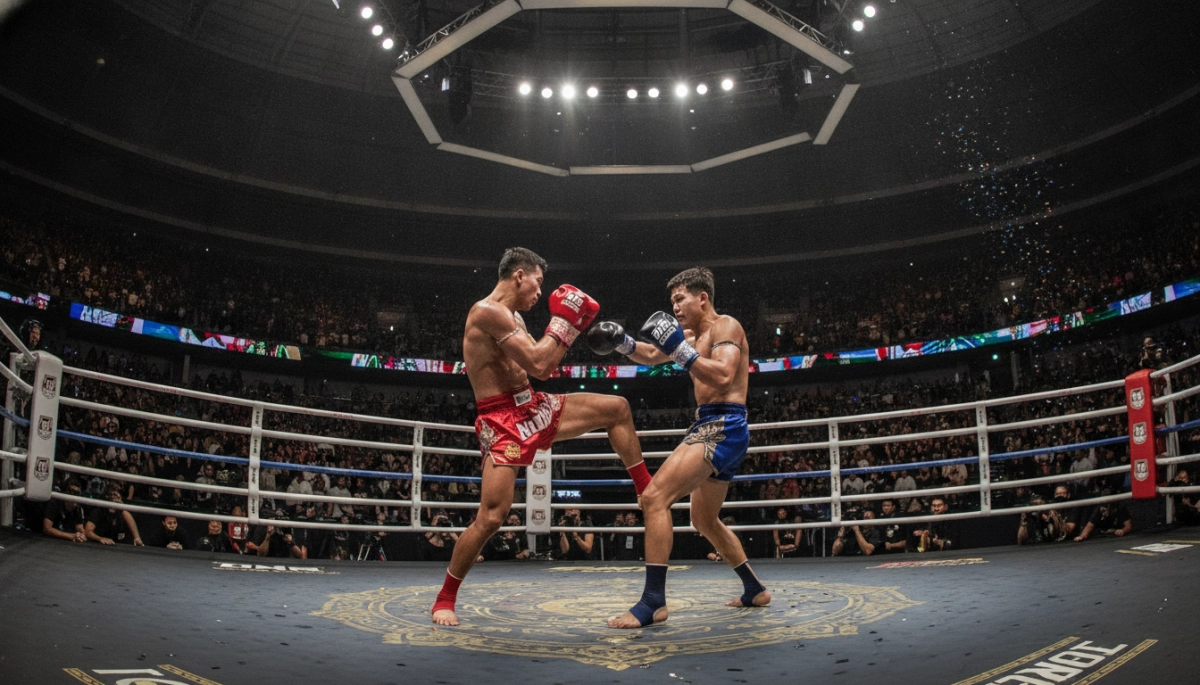
This series focuses on advanced combos linking the teep (push kick), roundhouse, elbow and knee into practical, high-percentage sequences. If you already know basics—stance, simple strikes and clinch—this article gives concise principles and condensed combo blueprints to build controlled sparring and amateur competition readiness. Part 2 expands hands-on drills for the first five combos.
Core concepts and terms to master before chaining
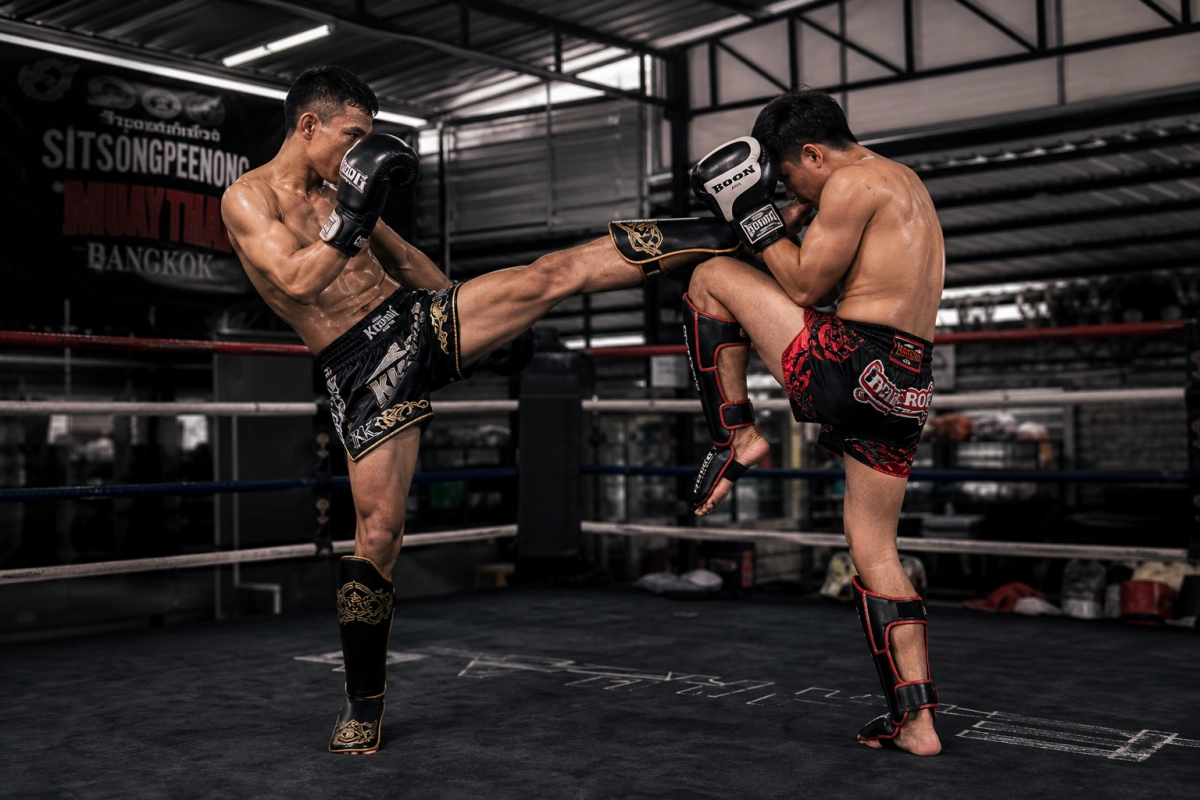
Key terms: teep — linear push kick to control distance; roundhouse — circular shin strike to leg/body/head; sok (elbow) — short-range cutting/blunt strike; khao (knee) — used from clinch or stepping entries; clinch — close-range grappling. Also know checking (shin block), pad work (coach-held pads), and cultural terms like wai kru/ram muay to contextualize training.
Principles that make combinations high-percentage
Build sequences on setup, weight transfer, timing and recovery. Each strike should create the next opening or conceal the follow-up. Focus on:
- Economy of motion: minimize telegraphing while keeping balance.
- Angles & level changes: step off-line and vary targets to exploit weak guard areas.
- Rhythm disruption: change speed and power to produce defensive errors.
Foundational stance, weight distribution and mobility for chaining strikes
Keep light on the feet, ready to shift for kicks, pivots and clinch entries. A functional stance and movement pattern reduce exposure while enabling transitions between teep, roundhouse, elbow and knee.
Essentials:
- Stance: slight side-on, roughly 60/40 on the rear leg for kicking power and mobility.
- Guard: hands high, elbows tucked to protect during teep and roundhouse setups.
Progression, pad work and safety basics
Progress combos: shadow slowly → partner pads at slow speed → dynamic pad rounds → light controlled sparring. Use proper gloves, shin guards and mouthpiece; train elbows and knees under a qualified coach. Communicate clearly and use tap/stop signals in clinch work.
Part 2 will present step-by-step drills and safety notes for the first five combinations.
Combos 1–3: foundational multi-limb sequences to break balance and close
Combo 1 — Lead teep → rear roundhouse (body) → lead horizontal elbow → rear clinch knee
Purpose: Disrupt distance with a teep, punish the body via rear roundhouse, then close quickly with a compact elbow and plant a rear knee.
- Execution: Lead teep to hip/chest → recover and pivot for rear body roundhouse → step forward and throw compact lead horizontal elbow → secure a quick hand tie and drive a rear knee.
- Key errors: overcommitting the teep, dropping guard on the roundhouse, wide elbow swings.
- Practice: slow shadowing → pad reps (roundhouse/elbow) → soft clinch-and-knee; use controlled contact for elbows and knees.
Combo 2 — Feint teep → rear teep to thigh → switch roundhouse to head → short rear elbow
Purpose: Use feints and layered teeps to lower or bias the guard, then switch into a head roundhouse and finish with a compact elbow.
- Execution: Feint lead teep → rear teep to thigh → quick switch step roundhouse to head → close with short rear elbow.
- Key errors: slow switch, telegraphed head chamber, loss of balance if checked.
- Practice: pad takedowns for thigh/head combos; start 60% speed then add light sparring with head-kick protection.
Combo 3 — Double teep (lead, rear) → rear body roundhouse → downward lead elbow → rear knee
Purpose: Successive teeps break posture and weight distribution; use a rear roundhouse to exploit openings, then a short elbow and knee finish.
- Execution: Lead teep → quick rear teep → rear body roundhouse → short downward lead elbow → clinch and drive rear knee.
- Key errors: losing rhythm between teeps, insufficient hip rotation, wide elbow.
- Practice: teep timing circuits into pad roundhouse → add clinch-to-knee finish at controlled power.
Combos 4–5: angle-entry finishes and clinch-oriented pressure
Combo 4 — Lead teep to chest → step-around lead roundhouse (thigh) → overhand short elbow → clinch single-knee
Purpose: Convert a frontal teep into an angle entry, strip the guard with a lead roundhouse, then use a short elbow to force a clinch for a single heavy knee.
- Execution: Lead teep → step off-line and throw lead roundhouse → overhand short elbow → secure underhook/single-knee and drive the knee.
- Key errors: over-stepping the angle, dropping the rear hand, sloppy clinch entry.
- Practice: angle pad drills, controlled clinch entries and single-knee reps with clear communication.
Combo 5 — Jab/teep setup → rear roundhouse (head) → compact lead elbow → explosive switch knee
Purpose: Mask the head roundhouse with a jab/teep rhythm, follow with a compact elbow and an explosive switch knee to capitalize on stun.
- Execution: Light jab or teep → rear head roundhouse → tight lead elbow on landing → quick switch and drive switch knee to the body.
- Key errors: overreaching on the head kick, slow elbow recovery, sloppy switch footwork.
- Practice: pad sequence with head protection; progress switch knee power only after clean mechanics.
Combo 6 — Rear teep (body) → immediate switch roundhouse (thigh) → short rear elbow → clinch knee series
- Purpose: Teep to disturb posture, switch into a heavy thigh roundhouse, add a compact elbow and finish in a controlled clinch with multiple knees.
- Execution: Rear teep → rapid switch roundhouse → short rear elbow on landing → two-to-three driving clinch knees.
- Practice & safety: shadow timing, pad sequence, then timed clinch-to-knee rounds; keep elbow and knee force moderated until partners are comfortable with exits.
Combo 7 — Lead low teep (thigh) → rear body roundhouse → upward lead elbow → explosive rear knee
- Purpose: Low teep bends the knee, open the body for a rear roundhouse, lift the guard with an upward elbow and finish with an explosive rear knee.
- Execution: Low lead teep → rear body roundhouse → compact upward lead elbow → step in and drive rear knee.
- Practice & safety: alternating thigh/body pad drills; limit full-power upward elbows until range control is reliable.
Combo 8 — Teep feint → rear roundhouse (head) → lead short elbow (sok ngat) → switch knee to body
- Purpose: Sell a teep to create an opening for a rear-head roundhouse, then exploit with a short elbow and finish with a fast switch knee.
- Execution: Teep feint → rear head roundhouse → tight lead sok ngat → fast switch knee to midsection.
- Practice & safety: pad progressions for feint→head→elbow→switch knee; supervise high-kick and catching scenarios carefully.
Combo 9 — Lead teep to hip → pivot lead roundhouse (thigh→body) → 45° short elbow → rear knee stomp
- Purpose: Use a teep to pivot and load a lead roundhouse, follow with a short angled elbow to clear guard, and finish with a planted rear knee stomp to break posture.
- Execution: Lead teep → pivot 45° and throw lead roundhouse (thigh bump to body) → short angled elbow → planted rear knee downward into ribs/solar plexus.
- Practice & safety: angle drills and controlled stomp intensity; avoid full-force stomps to vulnerable areas.
Combo 10 — Double feint teep (lead, rear) → spinning rear roundhouse → intermittent short elbow → clinch trip-to-knee
- Purpose: Layer teep feints to manipulate balance, spin for an unexpected rear roundhouse, break guard with a short elbow, then clinch, trip and finish with knees.
- Execution: Lead teep feint → rear teep feint → spin rear roundhouse → compact elbow on landing → secure clinch, off-balance trip, and land 1–3 knees.
- Practice & safety: progress spins slowly on mats, drill clinch trips only with consent and clear exit cues to avoid injury.
Applying these sequences responsibly: training habits that build skill without sacrifice
Progression matters more than intensity. Prioritize precise mechanics, gradual resistance, and coach feedback over trying to “win” drills. Train combinations in stages—technique, timing, power—so each layer is solid before adding the next. Communicate clearly with partners, use the correct protective gear, and respect tap/stop signals in clinch and elbow practice. Balance repetition with recovery: mobility, hip and core strength work reduce injury risk and make chaining multipliers like these reliable under fatigue.
Beyond technique, cultivate observation skills—reading hips, weight shifts and guard tendencies informs which sequence to pull and when to abort. Use slow-motion review, pad rounds with varied targets, and controlled sparring to transfer these combos into live timing. If competition is a goal, integrate rule-specific sparring and ring-craft under a qualified coach who can assess readiness.
Finally, keep the training environment safe and patient: advanced combinations are powerful tools when drilled responsibly; they become liabilities when rushed. Build them deliberately, test them thoughtfully, and let repetition plus smart recovery convert complex chains into dependable weapons.
Recommended Posts